
A State Visit Without the President: An Examination of Political Dynamics
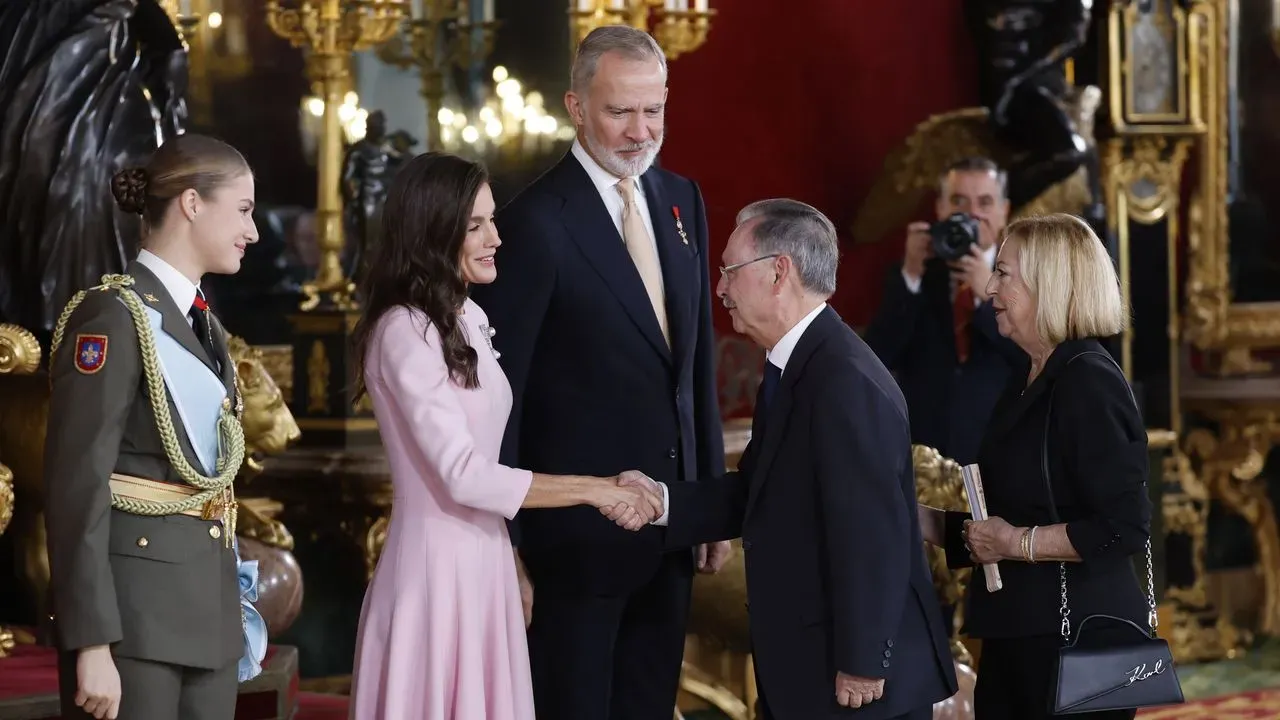
The complexities surrounding state visits can often be fraught with political implications, particularly when they involve regions with historical tensions. In this case, the recent visit of King Felipe VI and Queen Letizia to the cities of Ceuta and Melilla has stirred significant discussion, especially given the notable absence of President Pedro Sánchez. This situation draws parallels to a similar event from 2007, where the king's visit to Morocco was met with protests, highlighting the intricate diplomatic landscape that Spain navigates with its North African neighbors.
Ceuta and Melilla, two autonomous cities on the northern coast of Africa, hold a unique position in Spanish sovereignty, having been part of Spain for centuries. Ceuta was incorporated into the Spanish Crown in 1640, while Melilla became Spanish in 1497. The current political climate has seen Morocco assert claims over these territories, which it refers to as "occupied cities," leading to increased tensions and the prospect of protests during the royal visit. The Moroccan monarchy has expressed concerns regarding Spain's presence in these regions, prompting speculation about the implications of a royal visit without the president's participation.
The absence of President Sánchez, who faced public discontent during a recent military parade, raises questions about the political dynamics at play. The decision for the king and queen to visit these cities is seen as an expression of solidarity with their citizens, who identify as Spanish despite the ongoing geopolitical disputes. The residents of Ceuta and Melilla, approximately 84,200 and 86,900 respectively, strongly feel their identity is intertwined with Spain, a sentiment that is crucial during a time of heightened anxiety about territorial integrity.
This royal visit serves as a reminder of the enduring historical ties between Spain and these two cities, which are recognized as part of the European Union's southern border. The EU's stance on the matter, reinforced by the European Commission's acknowledgment of these territories as integral to Spain, adds another layer to the diplomatic considerations surrounding the visit. As such, the visit is not merely ceremonial; it is a strategic move to bolster morale and assert Spain's claims in the face of external pressures.
In conclusion, the state visit to Ceuta and Melilla without the president highlights the delicate balance of power and identity in a region fraught with historical complexities. The royal family's presence is a poignant reminder of Spain's commitment to its citizens in these territories, especially amidst the backdrop of rising tensions with Morocco. The situation warrants close attention as it unfolds, given its potential implications for both national identity and international relations.
As reported by lavozdegalicia.es.