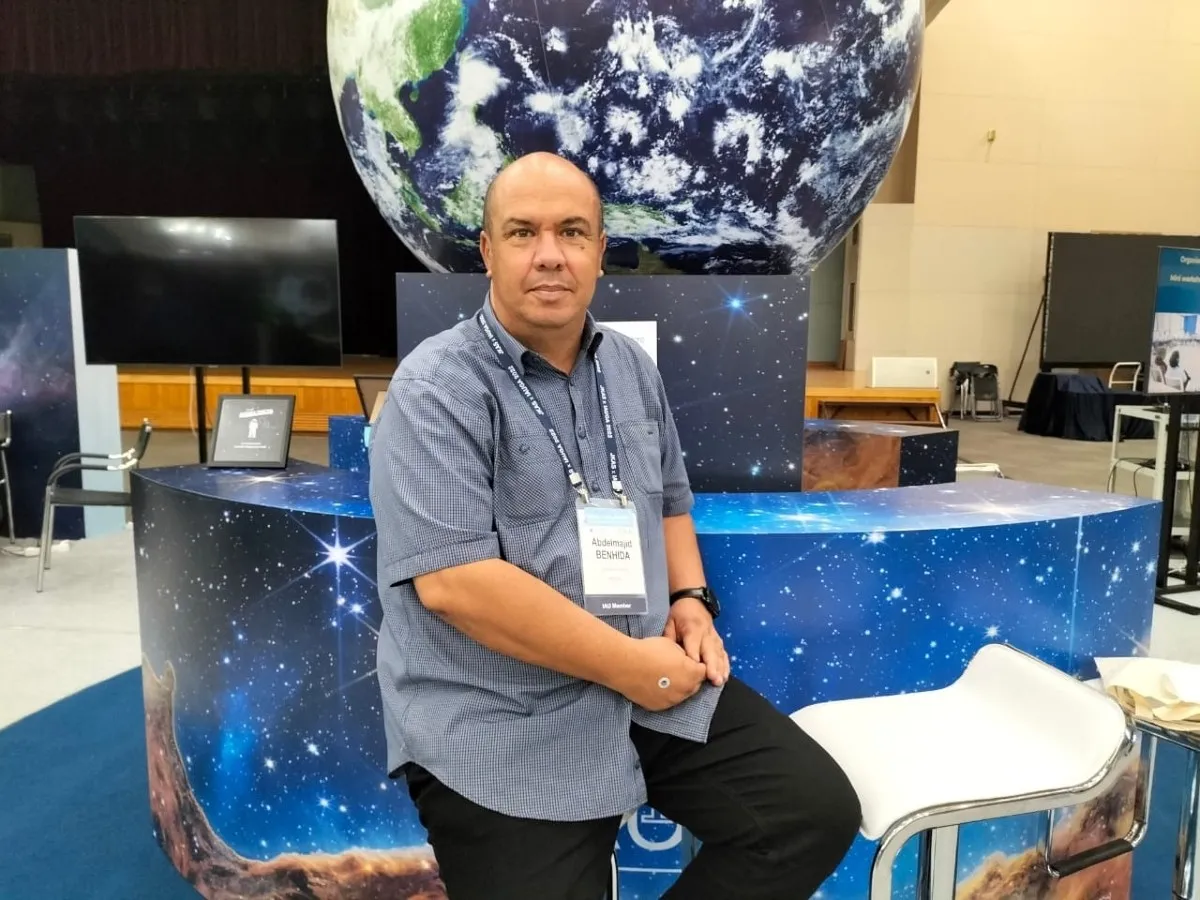

Transforming the Astronomical Landscape in Africa
Located in the heart of the Moroccan High Atlas, the Oukaïmeden Observatory emerges as a beacon for astronomical research, boasting some of the darkest skies in Africa, which are ideal for stargazing and scientific exploration. Over the past two decades, this institution has evolved into a significant astrophysics hub, fostering international collaborations and nurturing the next generation of African astronomers. At the helm of this endeavor is Abdelmajid Benhida, a physicist and professor at Cadi Ayyad University in Marrakech, who has played a pivotal role in this transformative journey. His expertise in sensors and instrumentation has not only contributed to the development of Morocco's astronomical facilities but has also laid the groundwork for future international telescope projects. Through initiatives such as the International School of Astrophysics at Oukaïmeden, he has mentored young researchers, sharing his wealth of knowledge and passion for the cosmos.
In an enlightening conversation with _Nature Africa_, Benhida reflects on his childhood and how it sparked his fascination with astronomy. Growing up in a small village in southern Morocco, far from urban lights, he often gazed at the night sky, captivated by the clarity of the stars. This early exposure instilled a profound sense of curiosity about the universe and a desire to understand its complexities. His passion for electronics and communication systems further fueled his interest, leading him to appreciate how telescopes and other instruments allow us to capture and interpret signals from the cosmos.
Challenges and Triumphs in Astronomical Research
Benhida's journey into the world of astronomy is marked by a rich academic background in engineering and a deep understanding of astrophysical instrumentation. His formative years, spent both in France and Morocco, equipped him with the skills necessary to navigate the intricacies of modern astronomy, where sophisticated tools are as crucial as powerful telescopes. His early projects included site characterization campaigns for potential telescope locations, which underscored the importance of proper infrastructure and logistics in scientific endeavors.
One of the key challenges faced during the establishment of astronomical infrastructure in Morocco has been logistical rather than scientific. Transporting delicate scientific equipment to high-altitude sites like Aklim posed significant obstacles, often requiring the assistance of the Moroccan army to facilitate logistics via helicopter. Moreover, convincing international partners that Morocco could host world-class astronomical research was a daunting task. However, the success of the Aklim campaign helped establish Morocco's credibility in the global scientific community, leading to increased collaboration and the installation of international instruments at Oukaïmeden.
Reflecting on these challenges, Benhida emphasizes the importance of humility, patience, and adaptability in scientific work. His experiences in the mountainous regions of Morocco have taught him that successful scientific projects rely on more than just technology; they depend on trust, cooperation, and the dedication of individuals. He hopes that young African astronomers will feel a sense of confidence when they analyze data collected from their own continent, recognizing that they are capable of contributing to global scientific advancements.
As reported by nature.com.