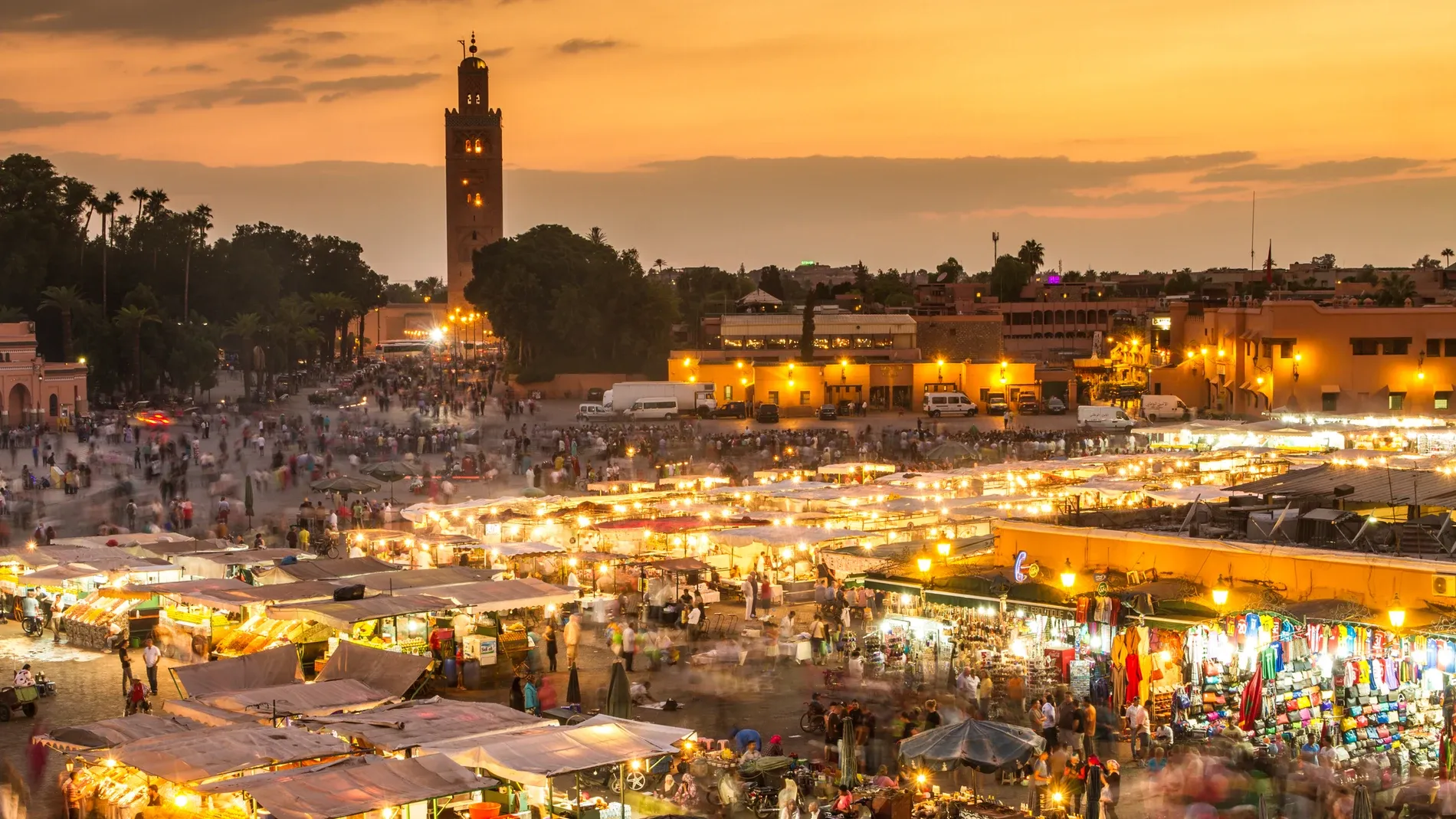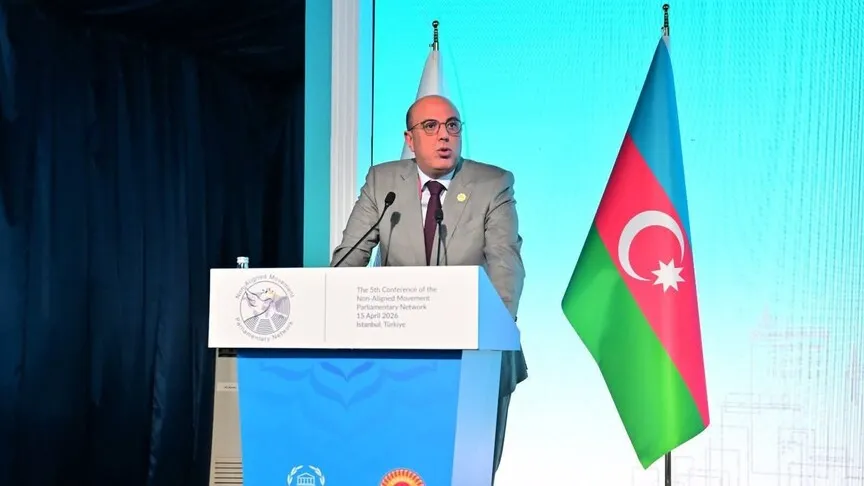

In a compelling address delivered in Marrakech, Morocco, on June 20, 2026, Mohamed Ould Rashid, the President of the Moroccan House of Councillors, urged for an expedited implementation of the African Continental Free Trade Area (AfCFTA). He emphasized that such a move could play a pivotal role in lifting approximately 30 million individuals out of extreme poverty. This plea was made during a dedicated session focused on Africa at the Marrakech Parliamentary Economic Forum, which connects the Euro-Mediterranean and Gulf regions.
Ould Rashid articulated that the full and effective realization of the AfCFTA could potentially inject around $450 billion into the continent's economy and significantly alleviate poverty levels. With Africa being home to 1.4 billion people, projections suggest that by 2050, it will accommodate a quarter of the global population and more than a third of the world's workforce, positioning the continent as a fundamental driver of global economic growth.
He highlighted a concerning statistic: intra-African trade currently represents a mere 15% of the continent's total trade, in stark contrast to figures of approximately 70% in Europe and 60% in Asia. This disparity underscores the limited progress in fostering economic integration within Africa.
In a related note, Moroccan Secretary of State for Foreign Trade, Omar Hajira, echoed these sentiments during the forum, asserting that the AfCFTA represents one of the continent's most significant developmental and integrative projects. He elaborated that this unified market encompasses nearly 1.4 billion consumers, boasting a combined gross domestic product exceeding $3.7 trillion.
Hajira called for a shift from traditional trade dynamics to a collaborative production model, advocating for enhanced manufacturing within Africa, mutual investment encouragement, and accelerated technology transfer.
Notably, the African nations had signed the agreement to establish the AfCFTA in March 2018 during a special summit in Kigali, Rwanda. However, complete activation of the agreement has yet to be achieved. The overarching goal of this initiative is to dismantle trade barriers and bolster commerce between African nations, especially given that reports indicate less than 40% of intra-African trade involves raw materials, whereas 60% pertains to manufactured goods. Furthermore, the agreement aims to eliminate customs and tax restrictions on goods produced or extracted within the continent, all while safeguarding national industries.
As reported by aa.com.tr.