
Understanding the Environmental Challenges in Western Sahara
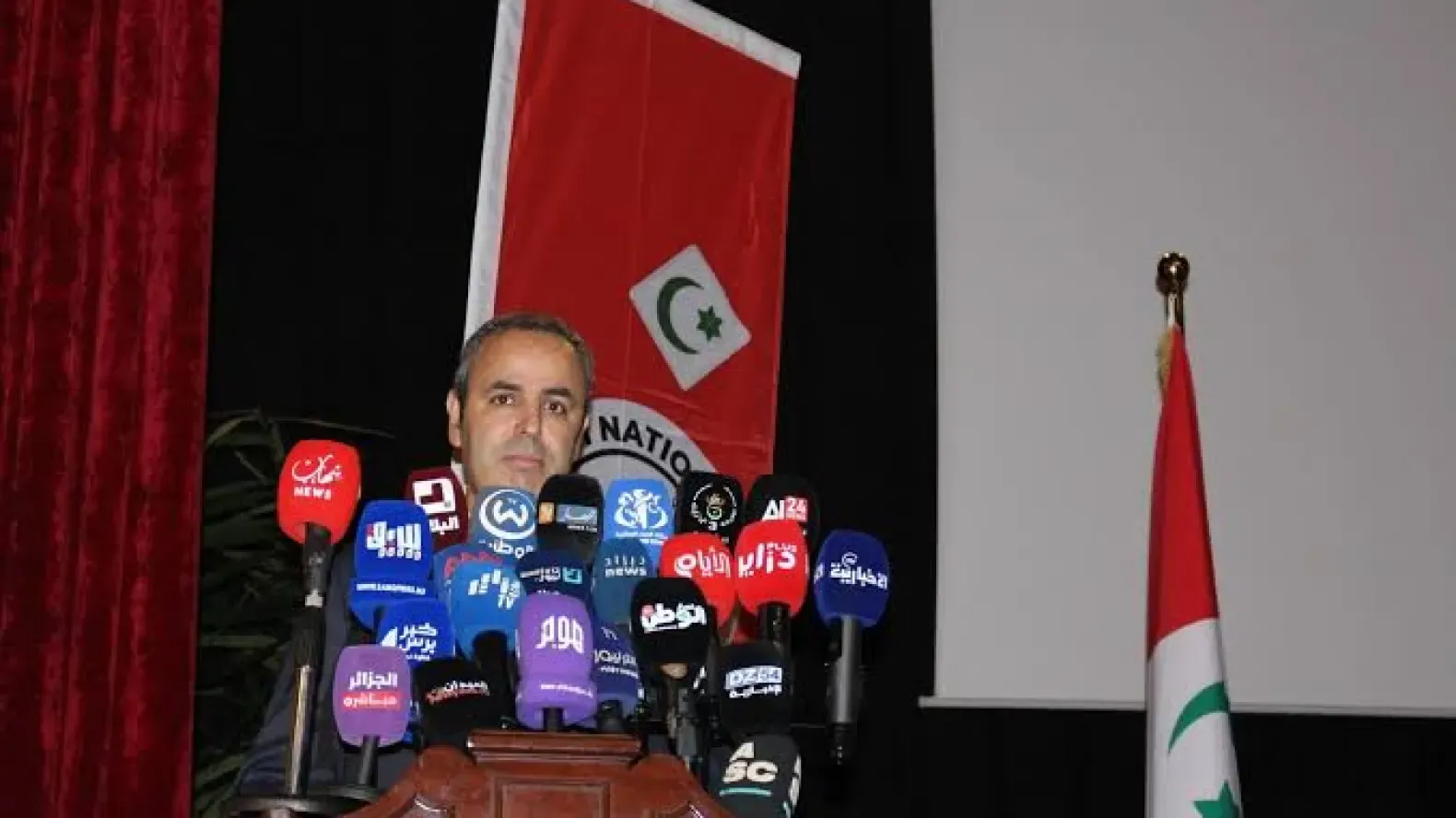
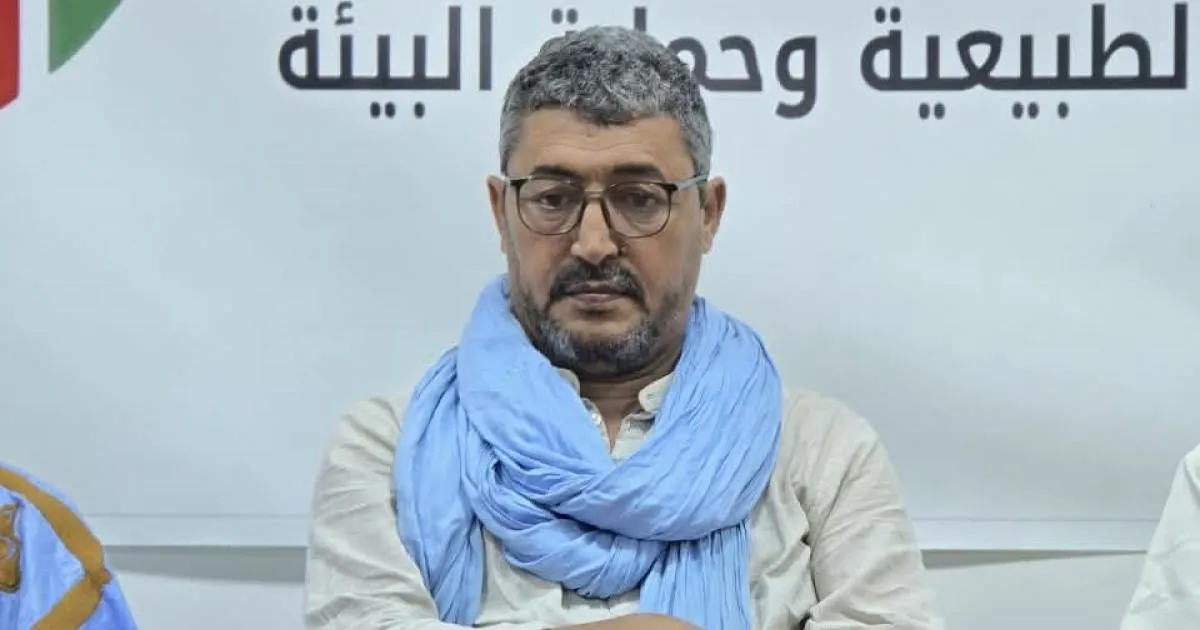
In a recent conference held at the Ministry of Foreign Affairs, Sahrawi agricultural engineer Taleb Ibrahim articulated the pressing need to address climate change in Western Sahara through a comprehensive lens. He emphasized that the challenges posed by climate change extend beyond mere indicators like rising temperatures and diminishing rainfall. The region’s delicate desert ecosystem has suffered greatly from decades of military and colonial interventions, coupled with the unsustainable exploitation of its natural resources. Ibrahim's insights come at a crucial time when the intricate relationship between environmental degradation and socio-political factors needs urgent attention.
The conference was notably centered around the release of a new report by the Sahrawi Observatory for Natural Resources and Environmental Protection, titled “The Plunder Footprint: The Environmental Cost of Natural Resource Exploitation in Western Sahara.” This event gathered a diverse audience, including researchers, experts, representatives from international organizations, civil society advocates, and various media outlets, all aimed at shedding light on the dire state of the environment in the region.
Reevaluating Resource Management and Environmental Justice
During his address, Ibrahim pointed out that the environmental vulnerabilities of Western Sahara are being further intensified by the presence of military infrastructure and escalating economic exploitation. He described the Moroccan military wall not only as a political and military barrier but also as a significant impediment affecting the mobility of people, herders, and wildlife, thereby disrupting the connectivity of vital ecosystems. This observation highlights the multifaceted threats to the environment that are intertwined with ongoing territorial conflicts.
Furthermore, Ibrahim cautioned against the potential pitfalls of the energy transition, warning that it should not simply become a vehicle for perpetuating existing patterns of resource extraction under new labels. He urged stakeholders to recognize Western Sahara as a fragile ecosystem with intrinsic limits, inhabited by a people who possess undeniable rights. The call for genuine environmental protection is paramount, as the region grapples with the intersection of climate change and social justice.
Concluding his remarks, Ibrahim asserted that the discourse surrounding climate change in Western Sahara must evolve. Rather than solely focusing on the potential clean energy outputs, it is crucial to engage in dialogues that evaluate the environmental ramifications of development projects, the distribution of their costs and benefits, and their impacts on water, soil, and biodiversity. Additionally, he highlighted the need to prioritize the Sahrawi people's rights to self-determination and permanent sovereignty over their natural resources. Ultimately, addressing climate change in Western Sahara requires an integrated approach that safeguards ecosystems, curbs resource overexploitation, promotes climate justice, and acknowledges the legal entitlements of the Sahrawi people. Ibrahim concluded with a critical warning that the so-called “green economy” could serve as a new guise for ongoing exploitation, undermining both environmental integrity and the rights of local populations.
As reported by spsrasd.info.