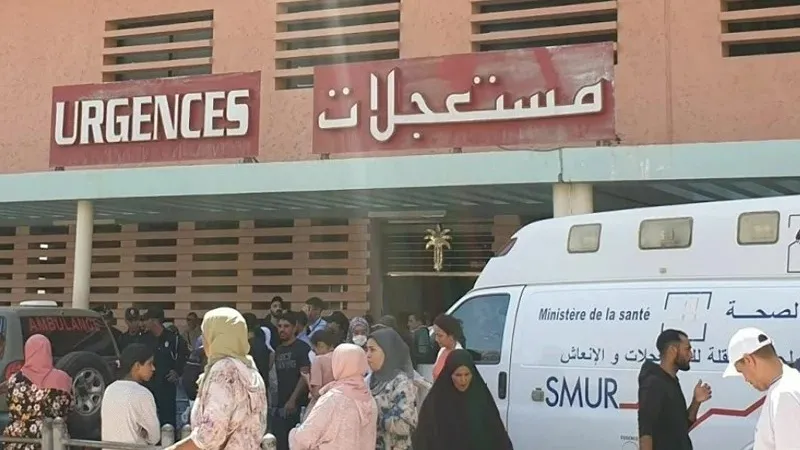

The Moroccan emergency healthcare system is currently grappling with a multitude of significant challenges, including delays in patient care, inadequate patient orientation, and a lack of essential materials. These pressing issues have been highlighted by emergency healthcare professionals who participated in the recent Healthcare Pathways Summit organized by the Territorial Health Group (GST) of Rabat-Salé-Kénitra. This first edition of the summit, which commenced on Monday in Rabat, brought together stakeholders from various medical specialties, focusing primarily on the emergency medical assistance sector, including urgent care and resuscitation. This focus is particularly pertinent, as it represents the initial point of contact for patients entering the healthcare system and reflects the most visible tensions within it, showcasing the urgent need for improved coordination across the sector.
The significance of this area of care lies in its role as a critical test of a health territory's capacity to function effectively. This has made it central to the comprehensive restructuring of the healthcare system, with the overarching aim of addressing existing care delivery challenges to create more efficient, effective, and citizen-centric healthcare pathways. The summit serves as a platform for stakeholders within each healthcare pathway to formalize their operational connections, clarify the scope and responsibilities of their actions, and develop patient-centered care routes. According to Brahim Lekehal, the General Director of GST, the goal is to diagnose the state of emergency services in Morocco, formulate practical and targeted recommendations, and establish a more visible, coordinated, and safer regional emergency care pathway for patients. The ultimate aim is to sustainably elevate the standards of access, quality, equity, and continuity of care for all patients.
Identifying the Shortcomings of Emergency Services
Emergency services do not merely begin at the hospital doors and conclude at the exit; they are part of a continuum that starts with the alert and culminates in specialized care. The attending emergency physicians at the summit pointed out a stark reality: the emergency segment is still plagued by significant deficiencies that adversely affect the quality of care delivered to patients. They noted that the distress experienced by patients often begins long before they reach the hospital. For instance, in cases of emergencies occurring late at night, citizens often lack information regarding which hospital services to approach, or even a contact number for inquiries, which can impede their access to healthcare. Therefore, professionals underscore the need to enhance communication regarding the national emergency number (141) to establish a truly fluid intervention chain, from the initial alert to specialized care.
Upon arrival at the hospital, patients face lengthy wait times and delays in receiving care, which can jeopardize their lives. This suffering stems from the absence of a dedicated technical platform for urgent cases requiring prompt intervention, the lengthy waiting times for specialist diagnoses, and the lack of adequate infrastructure for post-diagnosis care, which often necessitates transferring patients to other facilities. Complicating matters further, physicians often lack an updated operational map of available resources. Even if they manage to obtain such information from colleagues at other facilities, patients may arrive during non-working hours, complicating their care even more. In some tragic instances, patients lose their lives while waiting for attention, and others find their conditions worsening outside the hospital due to the absence of a clear and suitable care pathway. Dr. Bouchra Armel emphasized the need for a centralized tool that consolidates available capacities, beds, technical platforms, and competencies of regional facilities to immediately direct patients to the right place at the right time.
The Urgency of Reforming Emergency Care Protocols
Another critical factor complicating patient care is the lack, or complete absence, of triage at the entrance of emergency services. The urgency of a patient suffering from an ingrown nail does not compare to that of a stroke patient, who requires immediate and effective intervention to save lives. Emergency physicians have pointed out that this deficiency persists in public healthcare facilities due to a lack of trained personnel at the reception. Such staff are essential for rigorously assessing the degree of urgency upon arrival, distinguishing between genuine life-threatening situations and primary care consultations that overwhelm the system, thus facilitating specific circuits, such as the stroke pathway, where every minute is crucial.
Moreover, heavy administrative barriers further delay patient care, including the registration formalities and the pre-payment of certain tests, such as radiology, which patients must settle upon entering the hospital. These procedures significantly slow down care, particularly when patients arrive alone. The material aspect also weighs heavily; doctors often find themselves unable to make accurate diagnoses due to the unavailability or malfunction of necessary equipment. This unfortunate reality calls for urgent corrective measures to equip healthcare structures with reliable technical platforms and ensure rigorous maintenance of equipment.
In essence, emergency physicians have painted a bleak picture of the emergency services in Morocco. This assessment should raise significant concerns regarding the effectiveness of public health policies and serve as a wake-up call to improve the healthcare services offered in emergencies, aiming to ensure the success of the GST model. The Healthcare Pathways Summit will continue until the end of September, focusing on operationalizing the grouping established a few months ago as part of the reorganization of the regional health system, with the goal of optimizing resource distribution and improving care circuits at the regional level. This model seeks to enhance governance and performance of health services while ensuring better access to care for the population, which remains largely fragmented.
Subsequent regional summits will continue, with a focus on maternal and child health on September 21, followed by mental health on September 28, all with the same ambition: to start from the regional reality, identify areas for improvement, and develop shared solutions to enhance access to care.
As reported by lopinion.ma.