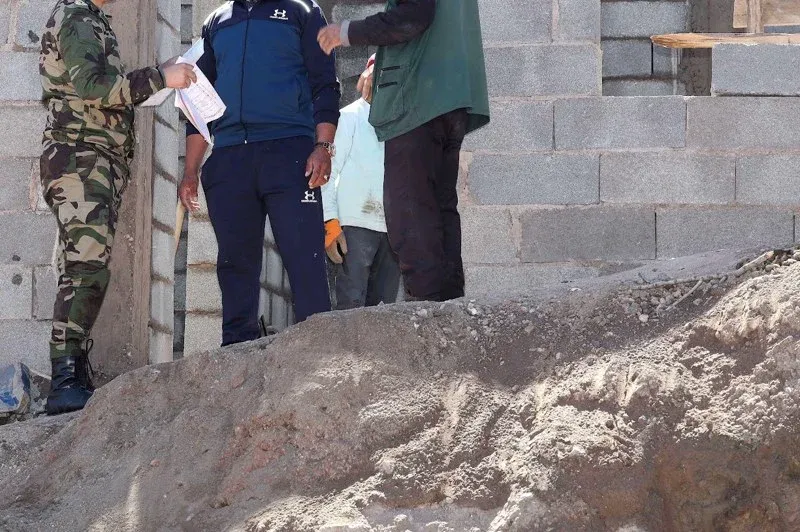

In response to a surge of reports and complaints regarding the delays affecting various housing cooperative projects, central authorities at the Ministry of Interior have taken urgent action. Instructions have been issued to regional governors across several areas including Casablanca-Settat, Rabat-Salé-Kénitra, Fès-Meknès, and Béni Mellal-Khénifra. These directives require a comprehensive inventory of stalled projects and a detailed administrative inquiry into the reasons behind their delays, with the goal of preparing thorough reports for oversight authorities to implement necessary corrective measures.
Sources well-acquainted with the situation have informed that the new instructions emphasize the importance of identifying all projects facing delays or halts within each region's jurisdiction. Furthermore, these projects will be categorized based on the nature of the obstacles encountered, which may include issues related to land use, construction difficulties, internal disputes among management committees, or administrative and legal constraints. This systematic approach aims to create a precise database that will enable central administration to monitor these cases effectively and prioritize their resolution.
Additionally, the anticipated administrative investigations will focus on assessing whether housing cooperatives have adhered to their legal and regulatory obligations, particularly regarding the timely convening of general assemblies, the preparation of both financial and narrative reports, the updating of member lists, and compliance with governance frameworks overseeing cooperative and housing associations. Financial management practices and the accounting documentation related to the contributions made by members over the years will also be scrutinized.
Reports indicate that the inquiries assigned to regional authorities will delve into the fate of substantial sums of money contributed by members to these stalled housing cooperatives. The investigations will track how these funds have been utilized, along with cataloging cases that have escalated into legal disputes and those that remain unresolved despite the passage of years since their initiation. Furthermore, they will identify projects where construction has ceased entirely, as well as others that have not commenced despite members fulfilling a significant part of their financial obligations.
Regional authorities are expected to pay special attention to cases that raise suspicions of mismanagement, poor governance, and breaches of legal commitments by management committees. They will examine various discrepancies that have impeded project completion within the promised timelines, as well as instances that have led to conflicts of interest or internal disputes adversely affecting the normal operations of the cooperatives and resulting in project suspensions.
The impetus for these actions arises from a noticeable increase in the number of complaints received by authorities from both within the kingdom and from Moroccan citizens living abroad. Many of these individuals have expressed their despair over the prospect of receiving their land plots or homes after years of waiting, despite having made their financial contributions. This situation has resulted in significant social, psychological, and financial repercussions for hundreds of families who find themselves trapped in stalled projects and unfulfilled promises.
As per the sources, reports prepared by the governors will include detailed information regarding the number of stalled cooperatives, the percentage of project completion for each initiative, the total amounts paid by the members, the nature of existing disputes, and practical proposals to overcome the challenges identified, while also delineating administrative and organizational responsibilities wherever shortcomings or failures in project management are evident.
As reported by hespress.com.