
African Development Bank's Major Investment in Moroccan Airports
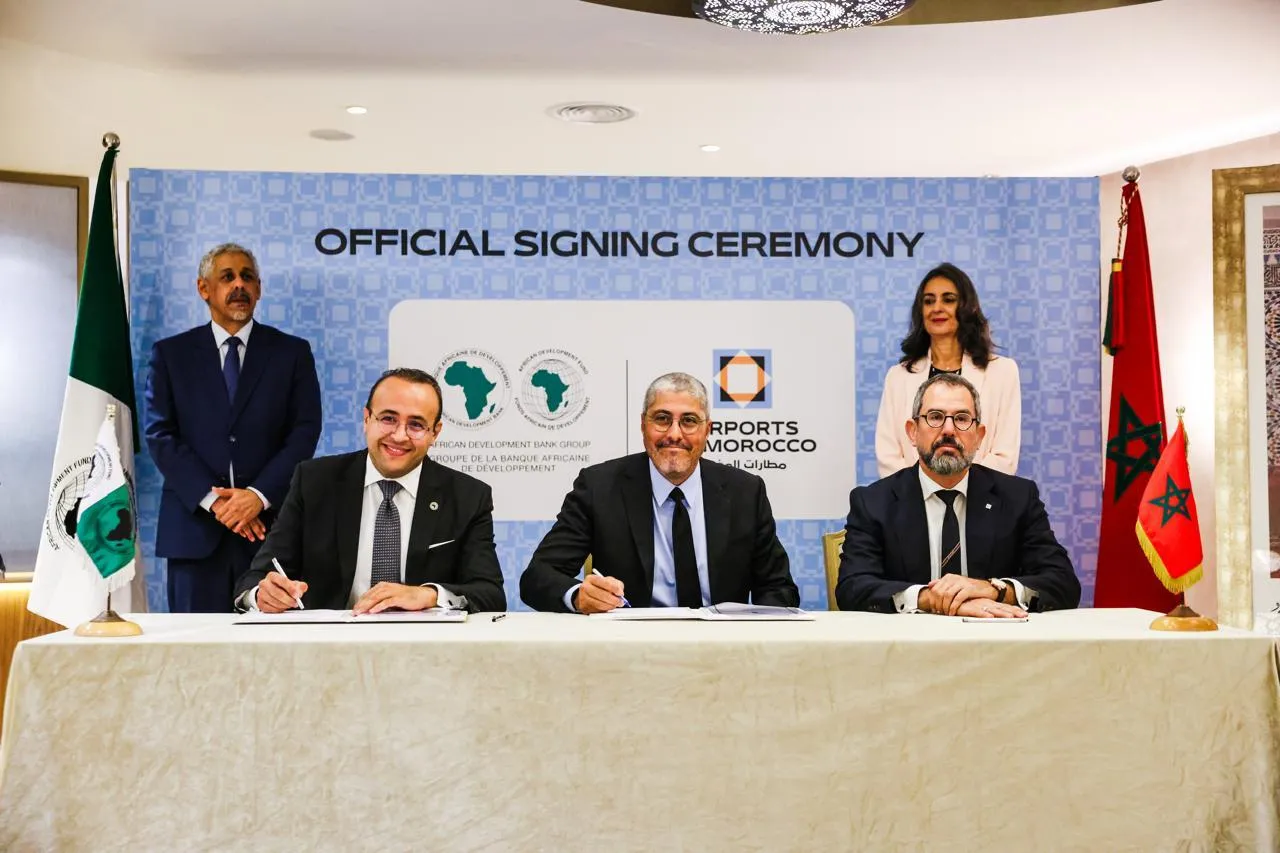
The African Development Bank (AfDB) has made a significant commitment by approving a financing package of €270 million aimed at the Airport Infrastructure Extension and Modernization Program (PEMIA). This initiative, which is being executed by the National Airports Office (ONDA), extends beyond the mere expansion of terminals. The primary goal of the program is to enhance the operational capacities of key airport platforms, modernize air navigation systems, and strengthen security measures in anticipation of increased passenger and freight traffic projected by the year 2030.
Targeted Airports and Future Capacity Goals
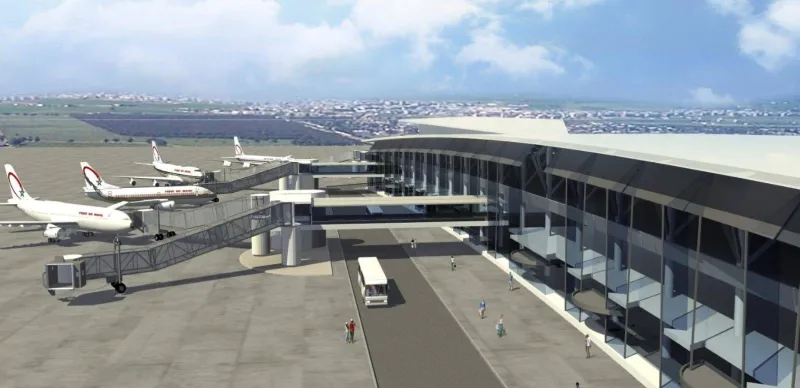
PEMIA specifically targets four major airports: Marrakech-Menara, Agadir-Al Massira, Tanger-Ibn Battouta, and Fès-Saïss, with ambitious capacity expansion plans. By 2030, the projected passenger capacity is set to reach 14 million at Marrakech, 5 million at Agadir, 3.6 million at Tanger, and 3 million at Fès. As part of these upgrades, Marrakech is also slated to receive a new control tower. The comprehensive plans include the development of 1.5 million square meters of aircraft parking and the construction of 7.6 kilometers of taxiways to support the anticipated increase in operational capacity. The PEMIA will thus enable the targeted airports to handle a greater volume of traffic while enhancing operational conditions and improving the overall passenger experience.
However, modernization efforts are not confined to physical infrastructure alone. The financing also encompasses enhancements to security equipment, the installation of automated baggage handling systems, and the integration of solutions designed to improve passenger mobility and experience. The technological components will extend to air navigation systems, ensuring that the infrastructure is capable of accommodating the expected rise in traffic while enhancing both safety and operational efficiency. Furthermore, the program integrates sustainability and resilience considerations, aligning with broader objectives for modernizing the transport and logistics sector. Economically, this airport modernization is crucial for Morocco as it seeks to bolster tourism, facilitate trade, and enhance the Kingdom's connectivity. The AfDB anticipates that the program will, in the medium term, support tourism and commerce while encouraging both public and private investment in transport-related sectors. Additionally, it aims to improve the country's logistical performance and regional integration. This capacity enhancement comes at a pivotal time as Morocco prepares to co-host the 2030 World Cup alongside Spain and Portugal. The AfDB presents PEMIA as one of the key investments to meet the growing demands of air traffic and the requirements associated with this international event.
Beyond the financial investment in infrastructure, the program is expected to have a substantial impact on employment. According to AfDB assessment documents, the project could generate approximately 19,000 direct jobs and 29,722 indirect jobs, with a particular focus on creating opportunities for women and youth. By 2030, the objective is to establish an airport network that is capable of keeping pace with traffic growth while simultaneously enhancing the operational performance of the targeted platforms.
As reported by lobservateur.info.