Innovative Military Collaboration in Africa
ADF is a respected military publication that serves as a vital platform for security professionals across Africa, published quarterly by U.S. Africa Command. The magazine focuses on a range of critical topics including counter-terrorism strategies, defense operations, transnational crime, and various other issues crucial to maintaining peace, stability, and good governance in Africa. Recently, a monumental event took place as over 5,600 participants from around 40 nations gathered for Exercise African Lion, which occurred between April 20 and May 8 across several countries including Ghana, Morocco, Senegal, and Tunisia. This year’s exercise emphasized innovation and advanced technology integrated with humanitarian efforts, as highlighted by Moroccan Armed Forces Brigadier General Reda Shuaib during the conclusion of the final field exercise in Tan-Tan, Morocco.
Embracing Advanced Technologies for Future Warfare
As the largest multinational military exercise on the African continent, African Lion stands as U.S. Africa Command's most significant annual joint exercise. It is organized by the U.S. Army Southern European Task Force, Africa, and seeks to enhance innovation, interoperability, and regional security led by partnering nations. Over the last five iterations, African Lion has engaged more than 40,000 military personnel, underscoring the commitment of all partners involved and the significance of this annual event. During the opening ceremony at the Southern Zone Command in Agadir, Moroccan Lt. Gen. Mohammed Benlouali emphasized the exercise's role in fortifying military cooperation among Morocco and the array of participating nations. He noted that the exercise aims to boost partnership and integration in planning, thereby enhancing operational readiness and performance while broadening areas of cooperation and expertise across various specialties.
The 22nd edition of African Lion marked a pivotal transition from conventional firepower tactics to advanced command and control systems that incorporate cutting-edge technologies, including drones, autonomous vehicles, and artificial intelligence. In addition to these innovative tools, the exercise expanded to encompass new domains such as cybersecurity, electromagnetic warfare, and space operations. An academic phase held earlier supported the practical exercises, featuring 20 specialized units employing emerging technologies like drones and cybersecurity tools. More than 40 military technology vendors participated, providing participants with a live testing environment for various products designed to address mission-specific needs. The final simulation in Kap Draa, which included a large-scale attack demonstration, showcased the practical applications of modern military technologies in a real-world context.
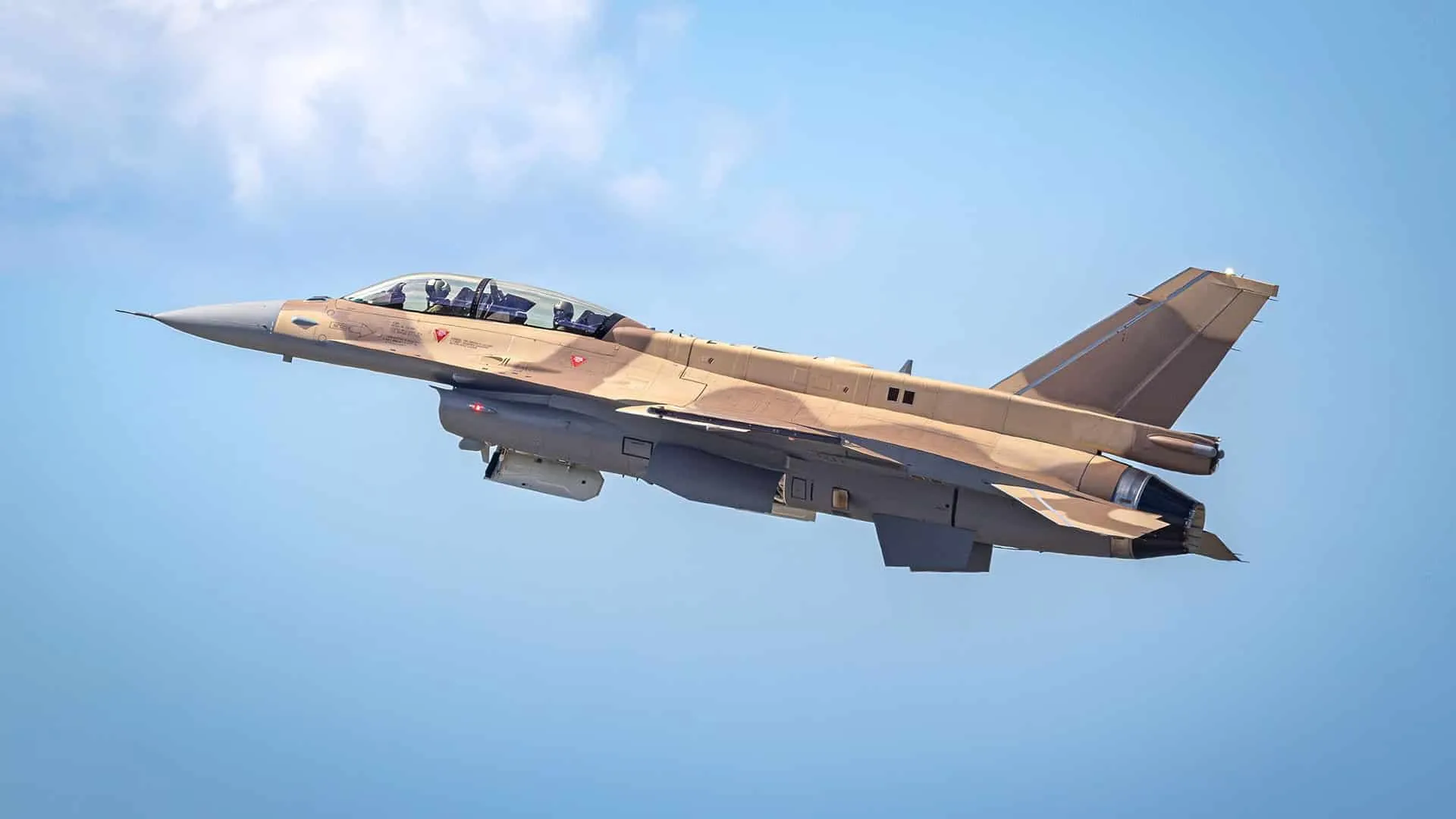
Throughout this simulation, forces utilized early warning systems and drones to identify enemy locations, transitioning from defensive to offensive strategies effectively. Moroccan ground units, supported by newly acquired Apache attack helicopters, showcased their ability to neutralize enemy threats while employing advanced military technology. The collaborative efforts also included a ceremonial gesture where Moroccan F-16 fighter jets escorted U.S. Air Force B-52 bombers, symbolizing a commitment to regional security and deterrence. AFRICOM Commander Gen. Dagvin Anderson remarked on the evolving nature of warfare and the importance of exercises like African Lion, which serve as experimental grounds for innovation and adaptation to future challenges. In Tunisia, AFRICOM Deputy Commander Lt. Gen. John Brennan noted that over 500 military personnel from various nations participated in rigorous training focused on large-scale combat operations and humanitarian assistance, demonstrating the exercise's ongoing relevance and the unity among participating nations in addressing common threats.
As reported by adf-magazine.com.