
African Military Involvement in Gaza: A Shift in International Relations
Recent developments indicate that soldiers from African nations, specifically Uganda, Morocco, and potentially Burundi, are poised to be deployed in the Gaza Strip, a region currently experiencing severe conflict characterized by what many are calling an ongoing genocide orchestrated by Israel. This deployment will be part of the International Stabilization Force (ISF), which is under the command of U.S. General Jasper Jeffers and is scheduled to commence operations in November in collaboration with the Israeli military. This initiative has been advocated by the Peace Council, an organization established and led indefinitely by former President Donald Trump, who positions it as a viable alternative to the United Nations, which he accuses of frequent failures in peacekeeping missions. The UN Security Council has granted a mandate to Trump's organization to strictly manage a peace plan for Gaza, with the ISF serving as a critical component of that effort. Trump's ambitions appear directed towards establishing this Peace Council as a direct competitor to the UN.
By joining the ISF, Morocco, Uganda, and Burundi are, in effect, contributing to the erosion of the United Nations' authority while endorsing Washington's fascistic policies and the genocidal actions of Tel Aviv—especially troubling given that this mission is set to operate in close coordination with forces directly involved in the mass killings of Gazans. Officially, the ISF aims to facilitate the disarmament of Gaza, secure humanitarian convoys (which have been permitted in minimal numbers and under tight Israeli supervision), and enforce a ceasefire that Israel has historically disregarded. Through this commitment, these three African nations are predominantly supporting the ongoing colonization of Palestinian territories.
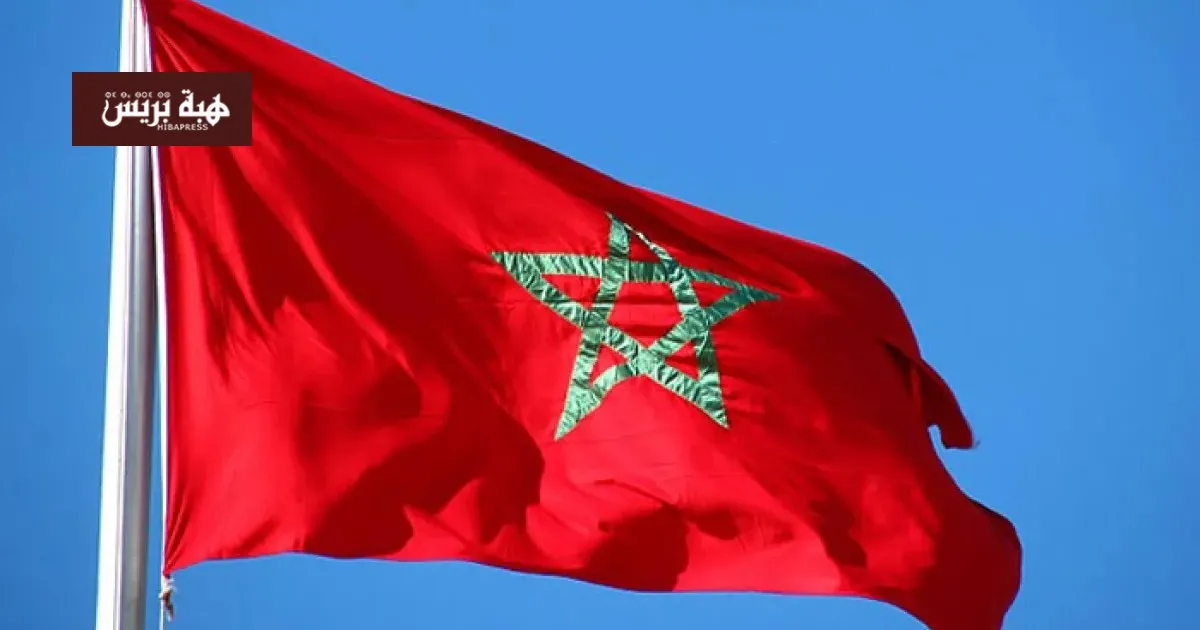
Their involvement, which includes a member from the Arab League, also highlights Israel's ability to normalize its relations with a continent that has historically championed the Palestinian cause, especially as Palestine remains an observer member of the African Union since 2013. Despite this, many Moroccans have been actively advocating for the Palestinian people, urging their leaders to cease normalization efforts with Israel. However, Morocco finds itself ensnared by its own diplomatic maneuvers, a situation underscored by journalist and political science professor Omar Brousky in January 2024. He noted that the normalization process initiated in December 2020 has unfolded as a tripartite deal: in exchange for the recognition of Morocco's claim to Western Sahara by Trump, the kingdom agreed to 'normalize' its relations with Israel, effectively trading a 'sacred cause' for another. Since then, military cooperation between Morocco and Israel has transitioned from clandestine to official.
Israel's military diplomacy in Africa has been longstanding, with Uganda being a key partner. Recent revelations have surfaced regarding the deepening military relationship between Uganda and Israel, including the signing of formal defense cooperation agreements in 2022. Reports indicate that Uganda's deployment of troops to Gaza is not merely a spontaneous decision but the result of an expanding security relationship, which includes significant contracts with Israeli firms like Elbit Systems for military equipment valued at approximately $52.1 million. This includes surveillance technologies, notably Hermes 450 drones, previously documented in Ugandan operations in the Democratic Republic of the Congo. Furthermore, intelligence systems have reportedly been 'offered' to the Ugandan military, particularly to the Special Forces Command, an elite branch tasked with protecting President Yoweri Museveni's family.
The normalization of relations between Uganda and Israel has accelerated over the past three decades, marked by Prime Minister Benjamin Netanyahu's personal ties to the country—his brother was killed during a military operation at Entebbe Airport in 1976. In a recent symbolic gesture, Muhoozi Kainerugaba unveiled a bronze statue honoring Netanyahu's brother, further cementing the historical ties between the two nations. Uganda's commitment of 1,200 troops to the ISF has sparked intense debate within the country, especially from opposition figures questioning the alignment of the Ugandan military with an entity perceived as genocidal. Critics have pointed out the absence of critical discussions regarding a two-state solution, self-determination, or an end to colonization in the official proposal presented by the Minister of Defense.
In summary, the Ugandan government's decision to support Israel's military objectives in Gaza represents a significant shift in its foreign policy, potentially undermining its historical stance on Palestinian independence. The ramifications of this decision could reshape not only Uganda's domestic dynamics but also its relations across the African continent and beyond, as it aligns more closely with a state that has been widely criticized for its actions against Palestinians.
As reported by afriquexxi.info.