Africa is currently experiencing a "silent but irreversible" industrial transition, although this progress is not uniform and tends to be concentrated in specific regions. This assertion is highlighted in two pivotal reports released today at the African Development Bank Group's Annual Meetings in Brazzaville, focusing on the continent's industrial landscape.
The African Development Bank Group introduced the 2025 edition of its Africa Industrialization Index (AII) alongside the inaugural Africa Industrial Investment Barometer (AfIIB), developed in collaboration with WITBA Invest SA and Trendeo. Together, these reports provide an unprecedented level of detail regarding the nations that are industrializing at an accelerated pace, the flow of investments, and the retention of value generated within the continent.
Both reports arrive at a common conclusion: Africa's industrial integration remains disappointingly low. Currently, intra-African trade constitutes merely 14.4% of total trade, indicating weak regional production connections and fragmented industrial ecosystems that hinder collective growth.
The AII 2025 evaluates industrial development across 54 African nations from 2010 to 2024, revealing that 41 countries have improved their industrialization scores, resulting in an overall continental performance increase of six percent. Notably, the most significant advancements were observed among lower-performing economies, suggesting a trend towards convergence. However, substantial disparities persist; Africa contributes less than two percent to global manufacturing output and a mere 1.4% to manufacturing exports, with the manufacturing value-added per capita falling below levels recorded prior to 2014.
Ousmane Fall, the African Development Bank Group's Director for Industrial and Trade Development, emphasized the significance of these findings, stating, "This report serves as both a roadmap and a diagnosis. It illustrates that 41 out of our 54 countries are progressing in the right direction, yet it also underscores the necessity of resilient infrastructure, value addition close to the source, and financing tailored to African needs. This is the essence of the Four Cardinal Points we aim to achieve."
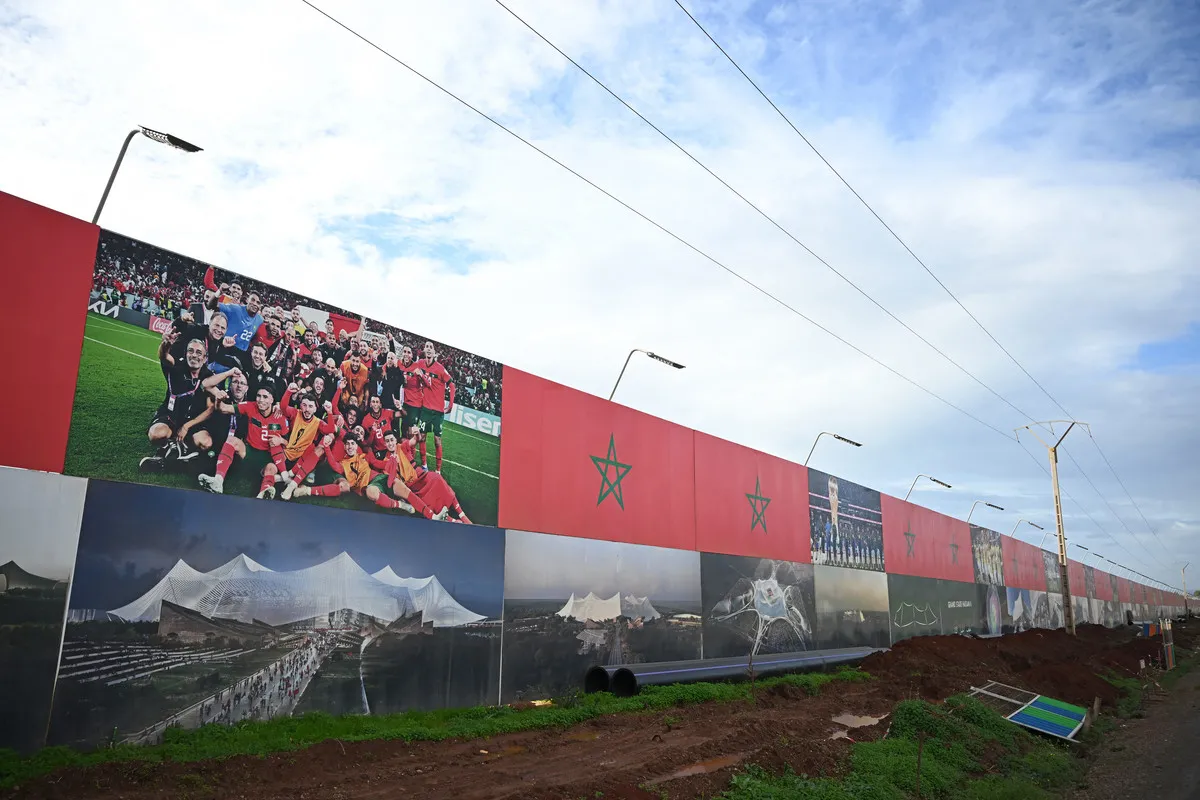
One of the report's most notable revelations is that Morocco has surpassed South Africa as Africa's leading industrial economy. This shift is attributed to Morocco's consistent industrial upgrades, diversification of exports, and robust industrial policy. While South Africa remains a significant industrial player, its competitiveness has been steadily declining. The industrial outputs and export sophistication are predominantly concentrated in North and Southern Africa, leaving East, West, and Central Africa lagging behind.
The AII advocates for a shift from superficial tariff reductions towards the establishment of functional economic corridors, high-quality infrastructure, and standardized regulations—all anchored in the African Continental Free Trade Area (AfCFTA). Meanwhile, the AfIIB evaluates the state of African industrialization through three indices—industrial diversification, attractiveness, and productive anchoring—assessing how deeply investments are integrated locally. North Africa leads in all three categories, capturing 56 percent of total continental investments between 2020 and 2025, with Morocco and Egypt at the forefront.
Dr. Harouna Kaboré, President of WITBA Invest, commented on the need for actionable strategies, stating, "The continent’s real deficit is no longer the absence of industrial strategies; rather, it lies in the discipline of execution, continuity in public policy, and systemic coherence among financing, energy, infrastructure, human capital, governance, and industrial vision." He further stressed that African industrialization must evolve from mere intent into a measurable and strategically governed dynamic.
However, attracting investment does not ensure that value remains within the continent, as highlighted by the Barometer. East Africa boasts the continent's second-highest productive anchoring score, thanks to extensive regional integration and complete agricultural value chains. In contrast, Southern Africa, while attracting a significant share of high-value investments, suffers from weak vertical integration; for instance, automotive plants in the region primarily assemble imported components rather than sourcing from local suppliers.
West and Central Africa continue to grapple with first-stage processing, exporting raw materials rather than finished products—such as Ivorian cocoa in powder form instead of chocolate, and Guinean bauxite shipped unprocessed. Both reports emphasize the critical need for reliable and competitive energy sources, cross-border industrial infrastructure, long-term financing in local currency, investment in technical skills, and the harmonization of standards as essential enablers for future growth. Furthermore, the AfIIB urges African industries to prioritize decarbonization to avoid adverse effects from upcoming carbon border measures imposed by Europe and the United States.
For private investors, Africa presents opportunities for above-average returns in sectors such as construction materials, agro-processing, fertilizers, and generic pharmaceuticals. However, achieving long-term success will require establishing structural partnerships and a commitment to patient capital, according to the Barometer's findings.
The panel discussion featured key figures, including Ismaël Nabé, Minister of Planning, International Cooperation and Development of Guinea; Mutesi Rusagara, Minister of State for Public Investments and Resource Mobilization; Michel Djombo, Minister of Industrial Development, Special Economic Zones and Private Sector Promotion of Congo; and Victor Djemba, Head of the Africa Bureau of the United Nations Industrial Development Organization, who provided closing remarks.
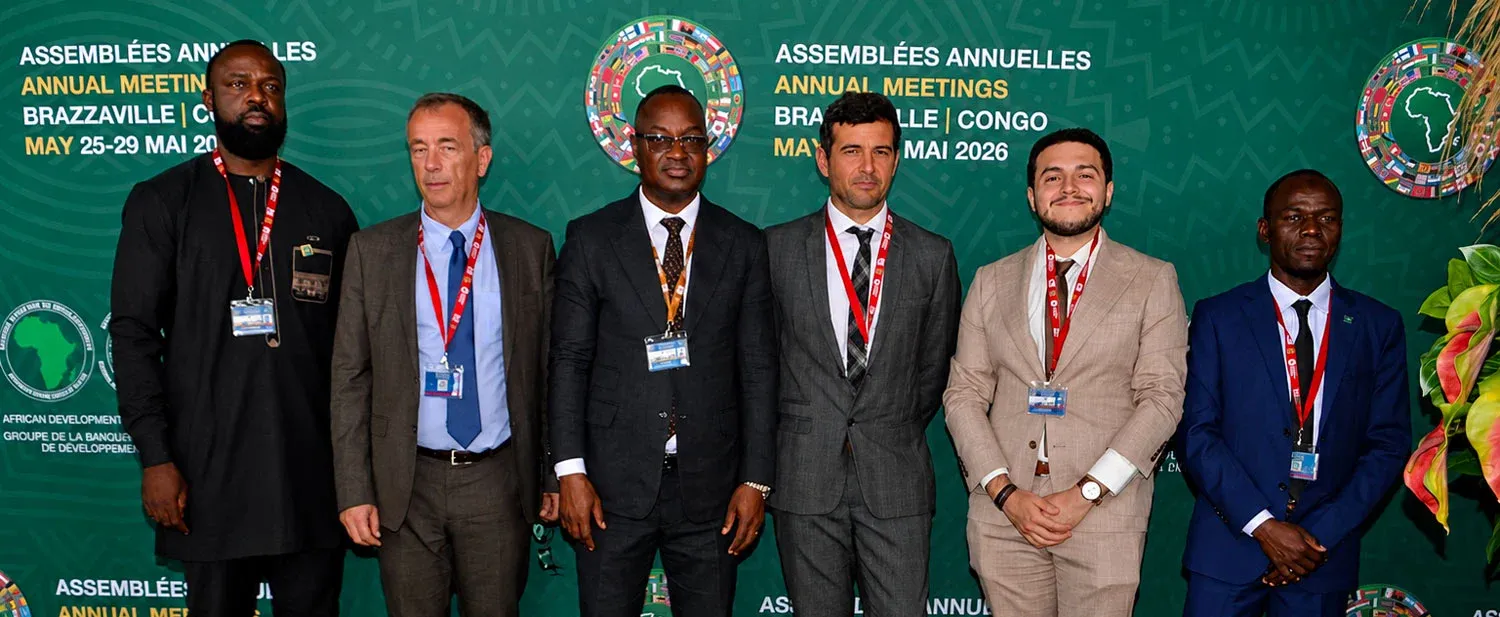
The African Development Bank Group’s 2026 Annual Meetings, which include the 61st Annual Meeting of the Board of Governors of the African Development Bank and the 52nd Annual Meeting of the Board of Governors of the African Development Fund, will be held in Brazzaville from May 25 to May 29, 2026.
As reported by afdb.org.