Agadir's Upcoming Infrastructure Developments
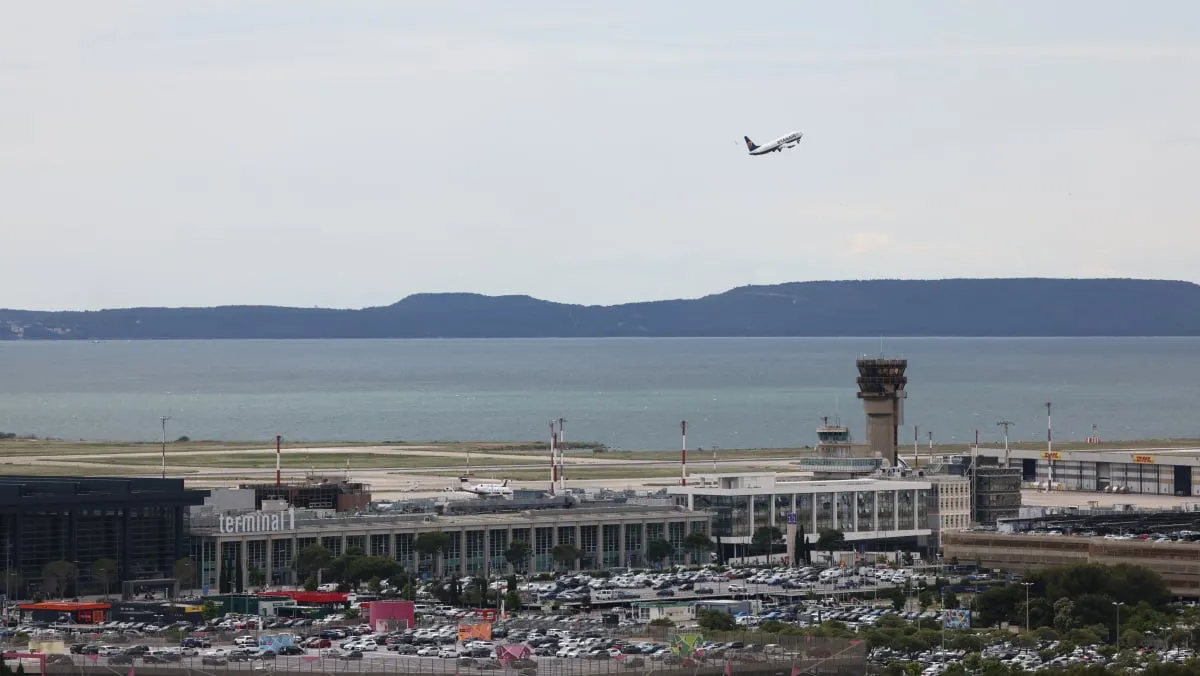
As part of the Urban Development Program slated for 2020-2024, Agadir is set to undergo significant upgrades to its transportation network, including a noteworthy project valued at 88.84 million dirhams. This initiative aims to enhance traffic flow on the Northeast bypass and is anticipated to culminate in the construction of the city’s fourth underpass by May 2027. The proposed 91-meter gantry is designed to establish a vital connection between the port and Al Massira Airport, addressing the escalating urban congestion caused by heavy goods vehicles traversing the area. Concurrently, technical studies are being expedited to extend the road towards Taghazout, thereby improving access to the region's stunning coastal tourist destinations.
In addition to this underpass, the ongoing construction of the third segment linking the port of Agadir to Al Massira Airport is progressing over a distance of 5 kilometers, beginning from the Abaraz roundabout in Hay Mohammadi and extending toward the port. This particular section represents a substantial investment of 171.7 million dirhams and is integral to the overarching infrastructure improvements in the region. The underpass at Abaraz is a focal point of the Urban Development Program, which also encompasses the associated works for the northeastern bypass consisting of two lanes in each direction, ultimately enhancing the connectivity of Greater Agadir.
Technical Specifications and Environmental Considerations
The project is spearheaded by the Provincial Directorate of Equipment, Transport and Logistics of Agadir Ida-Outanane and is set against a backdrop of modernizing the city’s road networks. The underpass's main structure will feature an open, reinforced concrete portal frame that is robust enough to accommodate heavy traffic. With a total width of 19 meters, it comprises two carriageways of eight meters each, a central median measuring one meter, and pedestrian sidewalks. Moreover, the vertical clearance of 5.10 meters ensures safe passage for various vehicle types, adhering to established safety and comfort standards.
Beyond the mere construction of the underpass, the project entails the development of complex retaining structures crucial for the bypass configuration. The timeline for completion is set for May 2027, segmented into three distinct phases: an initial month dedicated to preparatory work, followed by a 12-month phase focusing on earthworks, the underpass's construction, retaining walls, and the roadbed, with the final month allocated for site restoration and dismantling. To support the anticipated heavy traffic, a highly resilient, multi-layered pavement structure will be employed, comprising 7 cm of asphalt concrete, 12 cm of bituminous gravel, and two layers of untreated gravel, each measuring 20 cm. Rigorous compaction tests will ensure that the pavement achieves 98% of the normal Proctor optimum density.
Environmental and social impact management is a cornerstone of this project, further underscored by a Site Environmental Protection Plan (SEP) overseen by the Ministry of Equipment and Water. The underpass in Abaraz is not just a construction project; it is a crucial element for urban decongestion and economic advancement, facilitating a direct connection from the port to Al Massira Airport.
The new road segment will extend from kilometer marker 18+056 to kilometer marker 23+223, with an estimated completion within 24 months. This roadway is vital for the larger 29 km ring road project, as it will directly link Agadir Al Massira Airport to the port area, enhancing traffic flow for heavy goods vehicles and significantly reducing travel times. Ultimately, this will help mitigate congestion on the city's main thoroughfares, thereby expanding the capacity of the Greater Agadir road network.
Looking ahead, the extension of the road from Agadir to Taghazout is currently in the study phase, with the budget for this initiative increased from 4.99 million dirhams to 9.04 million dirhams. This enhancement aims to refine technical engineering and traffic predictions for the next two decades. The project is structured into four phases, focusing on route design, intersection planning, and engineering structures, particularly over the Asserssif and Tamraght wadis. These preparations will pave the way for the necessary tender documents, propelling the project toward construction initiation.
This extension is critical to alleviating the severe traffic congestion that plagues the area during summer months. Beyond easing traffic woes, this infrastructure aims to improve access to four key tourist hubs along the northern coast—Taghazout, Imi Ouaddar, the forthcoming Aghroud resort, and Imsouane. Consequently, it promises to enhance the attractiveness of the Souss-Massa region's beautiful Atlantic coastline.
As reported by born2invest.com.