
Unveiling Extremism: The Case of Hamam Al-Hammami
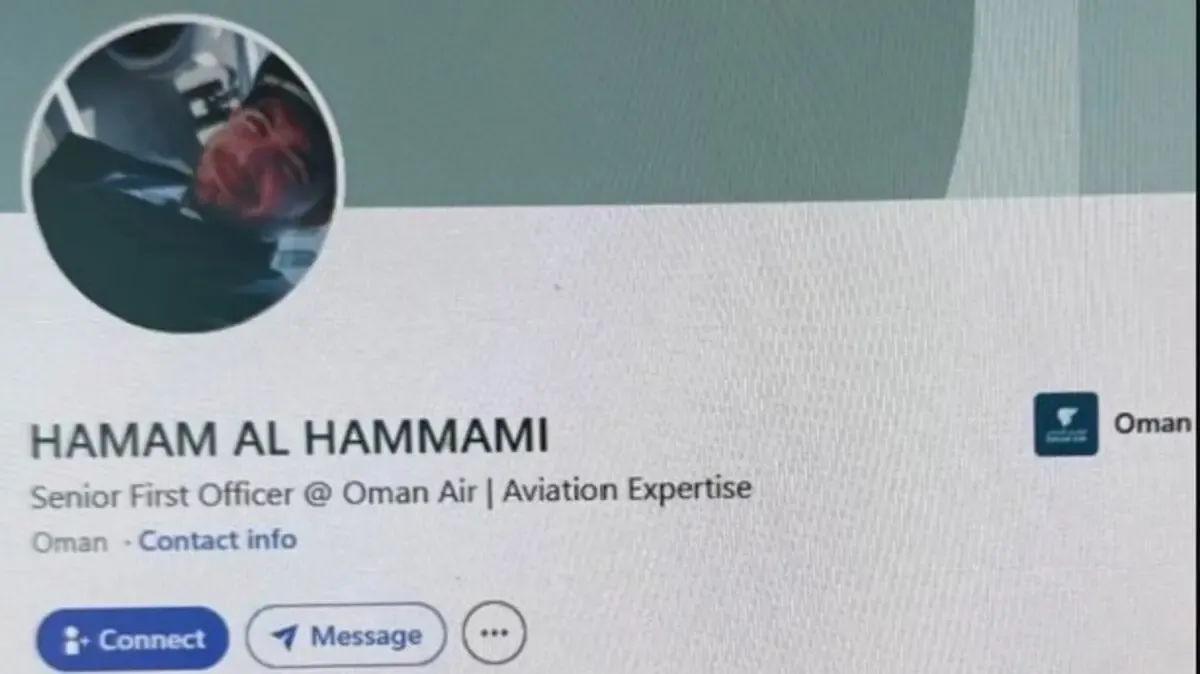
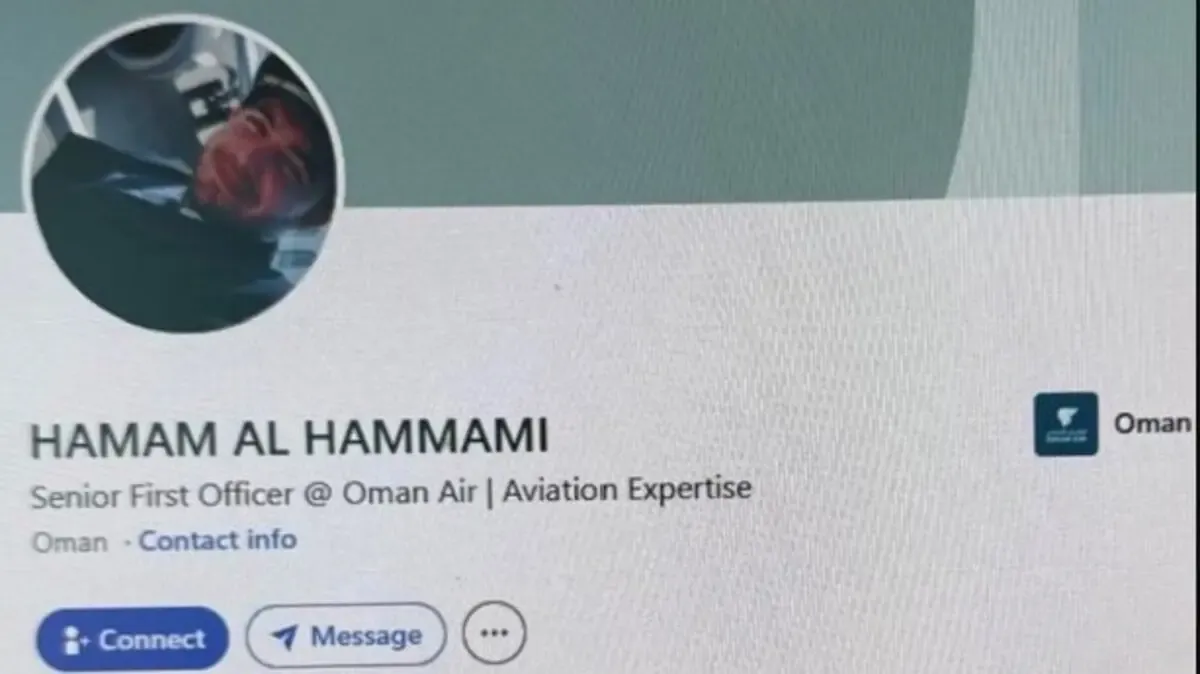
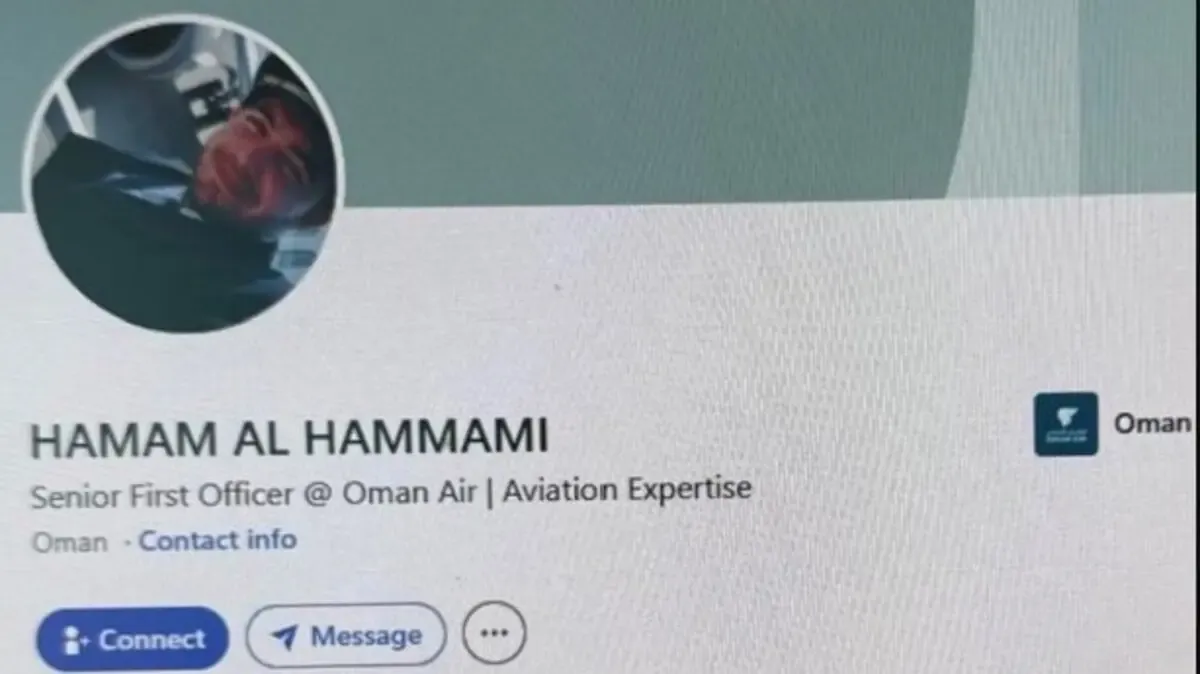
On October 4, 2026, a troubling incident unfolded in the United Arab Emirates involving Hamam Al-Hammami, a co-pilot for Fly Dubai, who attempted to carry out a violent act that could have resulted in the deaths of nearly 180 passengers. Following this failed attack, investigations revealed alarming insights into Al-Hammami's extremist ideologies through his social media activity. Just hours after the incident, two posts appeared on his LinkedIn account, one featuring a controversial image of Ayman al-Zawahiri, the former leader of Al-Qaeda, who succeeded Osama bin Laden. This specific post raises serious questions regarding his beliefs and intentions.
Additionally, one of Al-Hammami's posts, which surfaced approximately nine hours post-attack, included a video of Israeli aircraft, alongside images of a suicide bomber and al-Zawahiri himself. The timing of these posts, especially in the wake of such a serious incident, suggests a possible connection to extremist thought processes, although it remains unclear whether these posts were scheduled in advance. Notably, Al-Hammami's LinkedIn account was subsequently suspended, as reported by various media outlets.
Extremist Rhetoric and Disturbing Views on Violence Against Women
Beyond the LinkedIn posts, Al-Hammami's history of social media activity on platforms like X, formerly known as Twitter, showcases a deeply troubling mindset. His comments reflect extremist views towards women, advocating for violence against them under misguided pretenses. In one instance, he threatened a woman, stating, "I will stomp on your head and make you a lesson for others, then let you go." Such statements not only highlight his aggressive tendencies but also echo broader extremist sentiments that dehumanize and vilify women.
In another exchange, he expressed support for violence as a means of enforcing boundaries, likening it to Russia's aggression against Ukraine. His remarks suggested that women have become more audacious because they feel "safe from punishment," implying that in certain regions of the Middle East, if a woman angered her husband, she would "sleep on a slap and wake up to one." These comments underline a deeply entrenched culture of misogyny and violence that raises significant concerns about his psychological state and worldview.
Current investigations indicate that Al-Hammami acted alone and had no known connections to Iran, contradicting initial speculations about possible external influences. The 29-year-old, who holds an Omani father and a Syrian mother, faces serious charges of attempting to commit an act of terrorism by using an emergency axe onboard a Boeing 737 Max to assault the aircraft's Indian captain, Smit Machchar. The implications of this case are profound, as it not only reveals an individual’s radicalization but also underscores the urgent need for vigilance against extremist ideologies that can manifest in violent actions.
As reported by alhadath.net.