
Algeria's Evolving Stance on the Sahara Issue
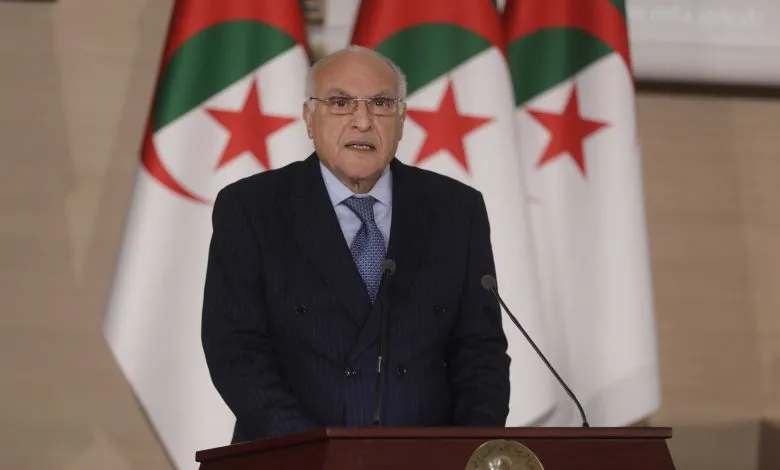
In a notable transformation of its long-standing narrative regarding the Sahara conflict, Algeria's top officials are adopting a more conciliatory tone. This shift appears to be a response to the increasing international support for Morocco's autonomy plan, particularly from the United States, which has prompted Algiers to reevaluate its decades-old approach aimed at containing Rabat. On May 24, Foreign Minister Ahmed Attaf publicly expressed Algeria's 'full support' for ongoing negotiations facilitated by the United Nations and the United States, signaling a significant departure from the historical rhetoric surrounding 'Africa’s last colony' and 'self-determination'. Attaf's comments reflected a commitment to achieving a 'just, lasting, and definitive' resolution to the protracted conflict, marking a stark contrast to Algeria's previous stance that often marginalized Morocco's sovereignty claims.
This evolving discourse resonates with the recent statements from President Abdelmadjid Tebboune, who acknowledged the progress of a UN resolution regarding the Sahara issue. His more cautious tone represents a significant shift from past aggressive posturing, suggesting an adaptation to the changing geopolitical landscape. The US has intensified its diplomatic efforts to bring closure to the decades-old conflict, reaffirming support for Morocco's sovereignty over the Sahara and advocating for a political solution rooted in the autonomy initiative.
Aligning with UN Initiatives
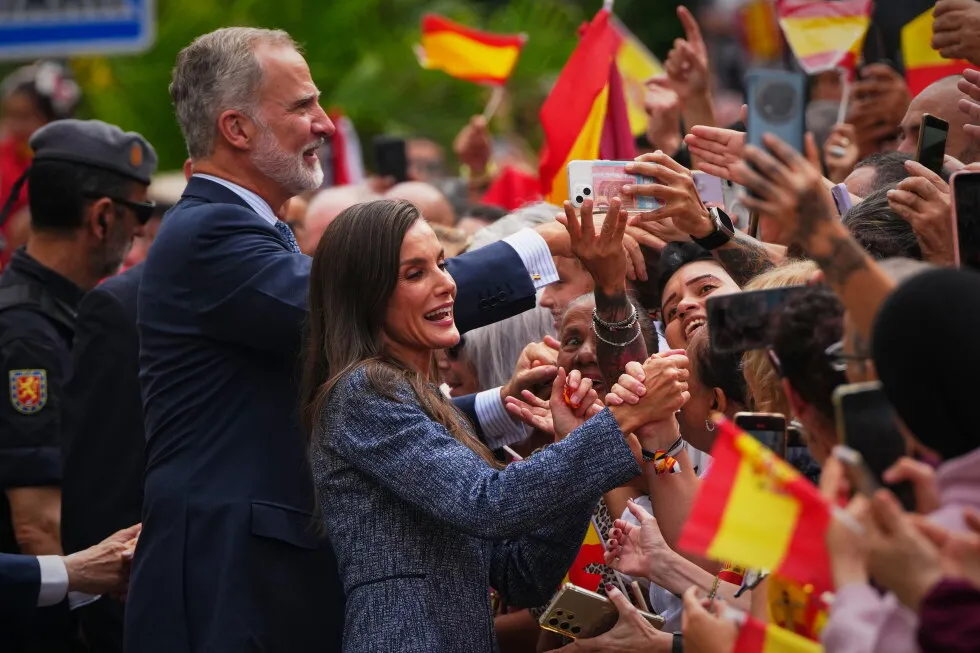
The adoption of UN Security Council Resolution 2797 in October 2025, which encourages all parties, including Algeria, to engage in negotiations, further frames autonomy as a viable basis for resolution. By endorsing this UN-led process, both Attaf and Tebboune seem to be aligning Algeria with a framework they had previously resisted, implicitly acknowledging the parameters surrounding Morocco's proposal. This is a marked shift given Algeria's historical role in the conflict; it has long claimed neutrality while providing substantial financial, diplomatic, and military support to the Polisario Front. By taking center stage in advocating for the Polisario and responding aggressively to nations like Spain and France that supported Moroccan autonomy, Algeria has often positioned itself as an active participant rather than a neutral party.
Algeria's recent diplomatic recalibration coincides with a shift in regional dynamics, wherein Morocco's autonomy initiative is receiving increasing international validation. Several countries have either withdrawn or suspended their recognition of the self-declared SADR republic, consequently diminishing the diplomatic standing of the Polisario Front. As the Polisario increasingly recedes from the forefront, Algeria is becoming more vocal in its reactions to diplomatic developments, engaging in international lobbying and responding to new recognitions of Morocco's territorial integrity. The convergence of statements from Attaf and Tebboune suggests that Algeria is, albeit reluctantly, acknowledging a diplomatic reality that is being shaped by Morocco's autonomy initiative. This represents a significant turning point in the ongoing Sahara conflict.
As reported by northafricapost.com.