
Algeria's Ongoing Wildfire Crisis
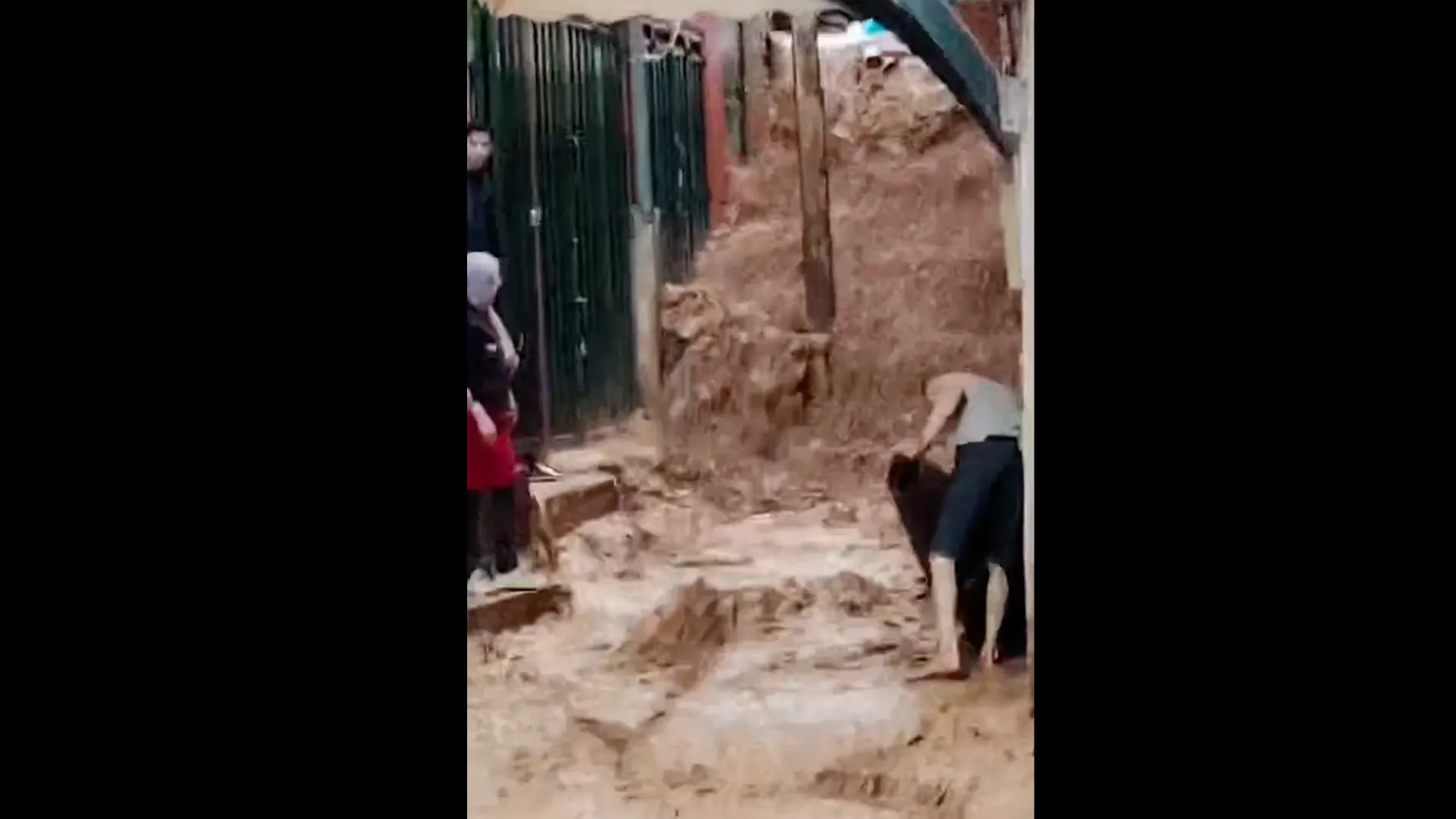
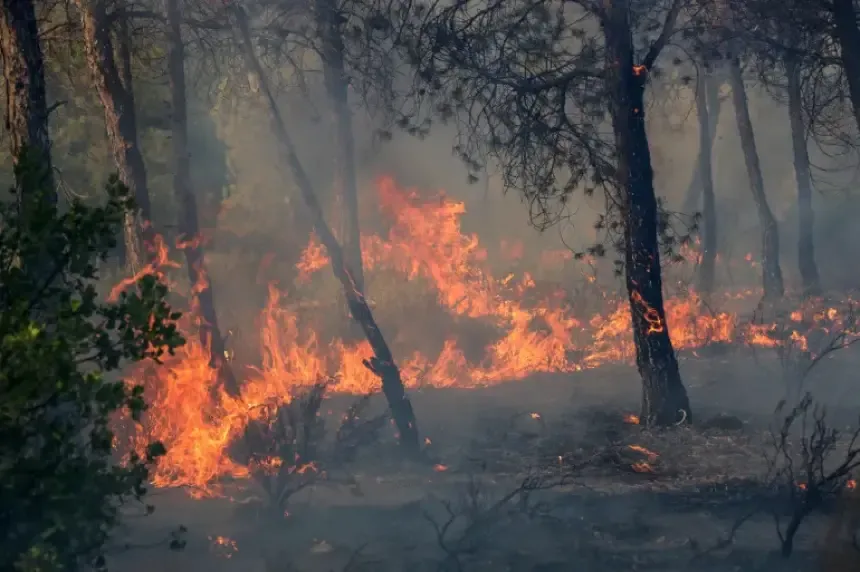
The devastating wildfires in Algeria continue to ravage vast areas of forest land across numerous provinces, resulting in painful human and material losses amidst extreme weather conditions and record-high temperatures. With this recurring scenario each summer, a sense of bewilderment and condemnation permeates among environmental and regional observers, largely due to Algeria's inexplicable insistence on confronting these disasters with limited resources while refusing to seek assistance from neighboring countries.
Experts in the field argue that the slow response to extinguishing fires and controlling their spread in mountainous regions primarily stems from a lack of advanced aerial firefighting fleets. While Morocco stands out as one of the few countries in the region equipped with a comprehensive fleet of high-efficiency Canadair firefighting aircraft, many are left questioning: what humanitarian or ethical barriers prevent Algeria from requesting Moroccan help to protect its citizens and environment?
The Humanitarian Imperative in Disaster Response
International cooperation and humanitarian solidarity during natural disasters are established norms among nations, as exemplified by Spain and Portugal, which routinely rely on Moroccan expertise and resources when faced with massive wildfires in Southern Europe. Yet, Algeria’s authorities remain entrenched in narrow political calculations and a pervasive adversarial stance against Morocco, ultimately placing Algerian citizens and the Maghreb environment at risk. This approach disregards the fact that rapid intervention using Canadair aircraft represents the sole viable option to mitigate the ongoing forest catastrophe.
As reported by akhbarona.com.