Ali Lmrabet Speaks Out After Release from Detention
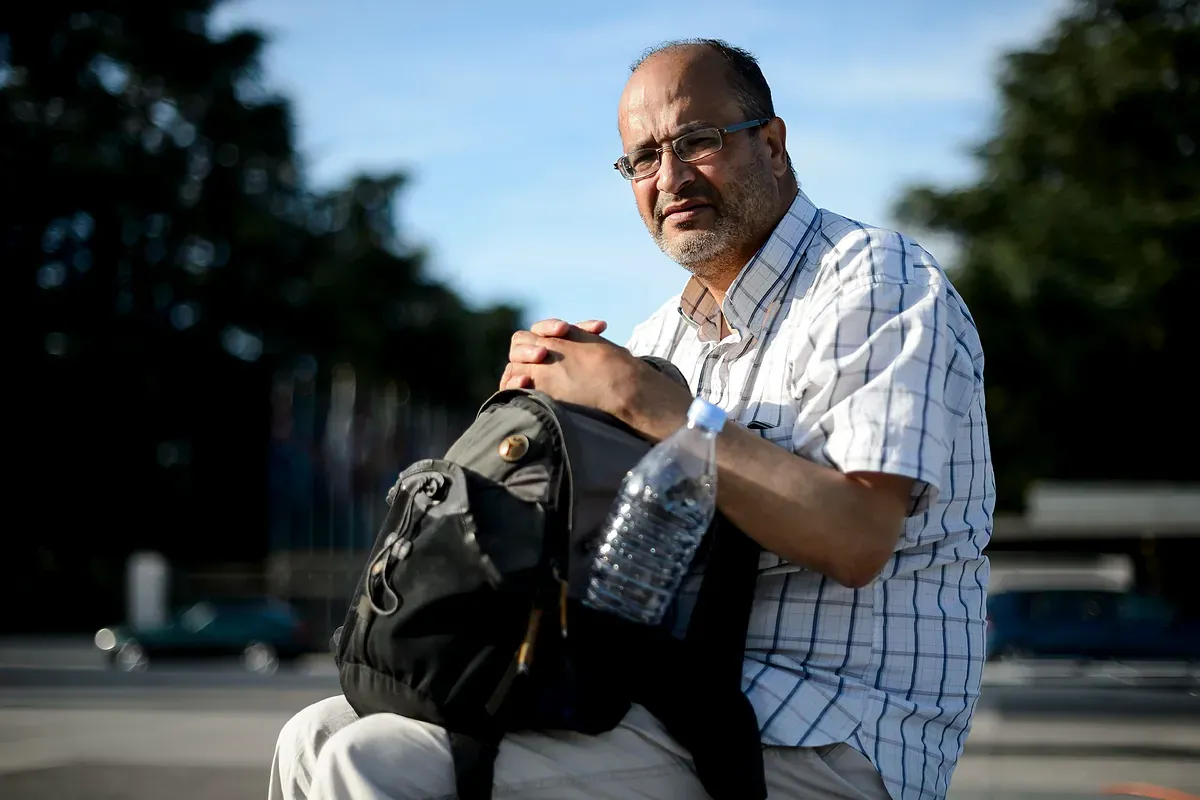
Five hours post-release, Moroccan journalist Ali Lmrabet, who has resided in Barcelona for two decades, engaged in a revealing telephone interview with EL MUNDO following his three-day detention in Casablanca. He faced accusations of purported 'insult and defamation' against Moroccan institutions, stemming from his critical journalism and his podcast that delves into Moroccan politics. As he anticipates returning to Spain, Lmrabet expressed his intent to contest the legal challenges he faces, asserting, 'I have committed no crime,' while awaiting a court hearing that could determine his fate.
Reflecting on his recent experiences, Lmrabet detailed the circumstances surrounding his trip to Morocco. He had been preparing for retirement after working for 15 years in the country. Although he had not visited Morocco in a long time due to personal losses and lack of residence, he sought to finalize essential paperwork. Prior to his travel, he checked with friends about any legal issues and was informed of several arrest warrants against him, which were only applicable within Morocco. He traveled without a return ticket, fully aware of the potential risks.
Confronting Arrest and Violations of Freedom
Upon arrival, Lmrabet was met with the news that he was under arrest, a situation he had anticipated given his knowledge of the Moroccan authorities. Initially believing there were a few warrants, he discovered upon arrival that there were in fact ten, none of which had been disclosed to him until that moment. The charges against him were vague, centered around his vocal criticism of state institutions, raising questions about the limits of freedom of expression in Morocco. He adamantly rejected any allegations of defamation or insult, simply maintaining that he reported on the reality of Morocco's governance and the erosion of fundamental freedoms.
During his detention, Lmrabet faced harsh treatment, including physical assault and a lack of clear communication about his legal status. He described being transported in an unmarked vehicle by unidentified individuals, which heightened his fears and reinforced the sense of danger surrounding his situation. The treatment he received starkly contrasted with previous arrests where the police were identifiable and acted within the bounds of the law. This experience, he asserts, reflects the broader issues within Morocco, where dissent is met with hostility and intimidation.
Lmrabet's ordeal underscores the complexities of journalism in non-democratic regions, where reporters often face persecution for merely doing their jobs. He emphasized the importance of independent journalism and the necessity for press freedom as a pillar of democracy. He lamented the silence of European nations regarding the repression faced by journalists in Morocco, highlighting a troubling hypocrisy among leaders who advocate for human rights only when it suits their political interests. His frustrations extend to the Spanish government, which he criticized for its lack of response to the plight of Moroccan citizens and journalists alike, suggesting that such inaction reflects a broader complicity in the erosion of human rights.
Lmrabet's story is a potent reminder of the ongoing struggle for press freedom and the protection of fundamental rights in Morocco and beyond. He remains resolute in his commitment to journalism, determined to continue exposing truths despite the risks involved, stating, 'I simply provide information, and I have no political affiliations. My only allegiance is to the truth.'
As reported by elmundo.es.