Unpacking the Controversy Surrounding 'The Odyssey'
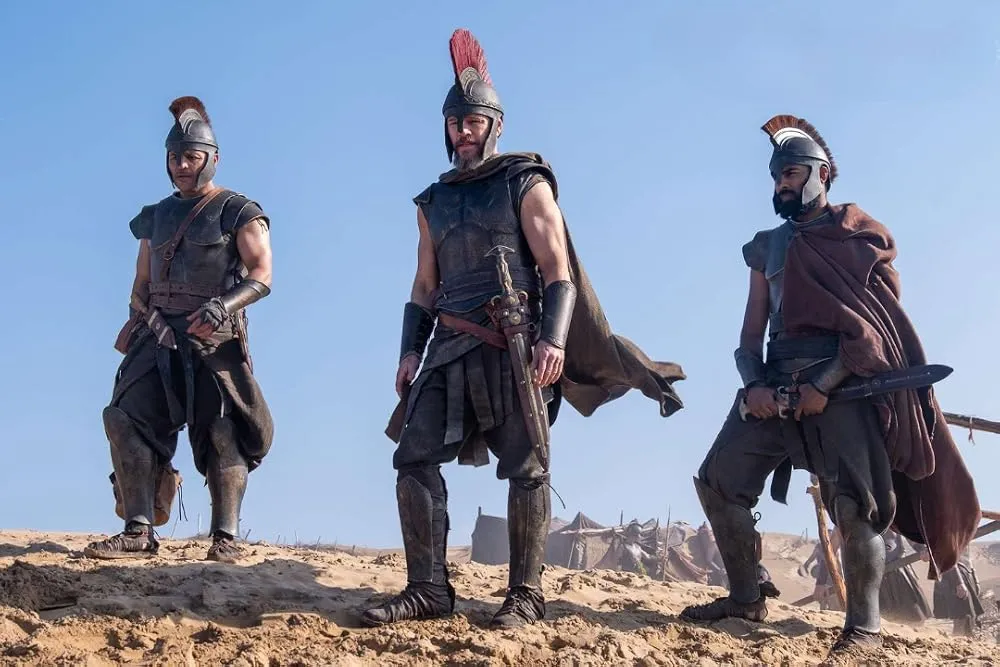
As Christopher Nolan's highly anticipated film, 'The Odyssey', approaches its theatrical debut, it finds itself at the center of a heated online debate. The controversy was ignited when Elon Musk criticized the film's casting choices, labeling them as ‘woke.’ However, this superficial discourse overshadows a far more critical issue linked to the film's production: the decision to shoot scenes in Western Sahara, Africa's last colony, which is currently under illegal occupation by Morocco. With substantial financial backing from the Moroccan government, the filmmakers have inadvertently lent support to a regime that has long been condemned for its occupation of this disputed territory.
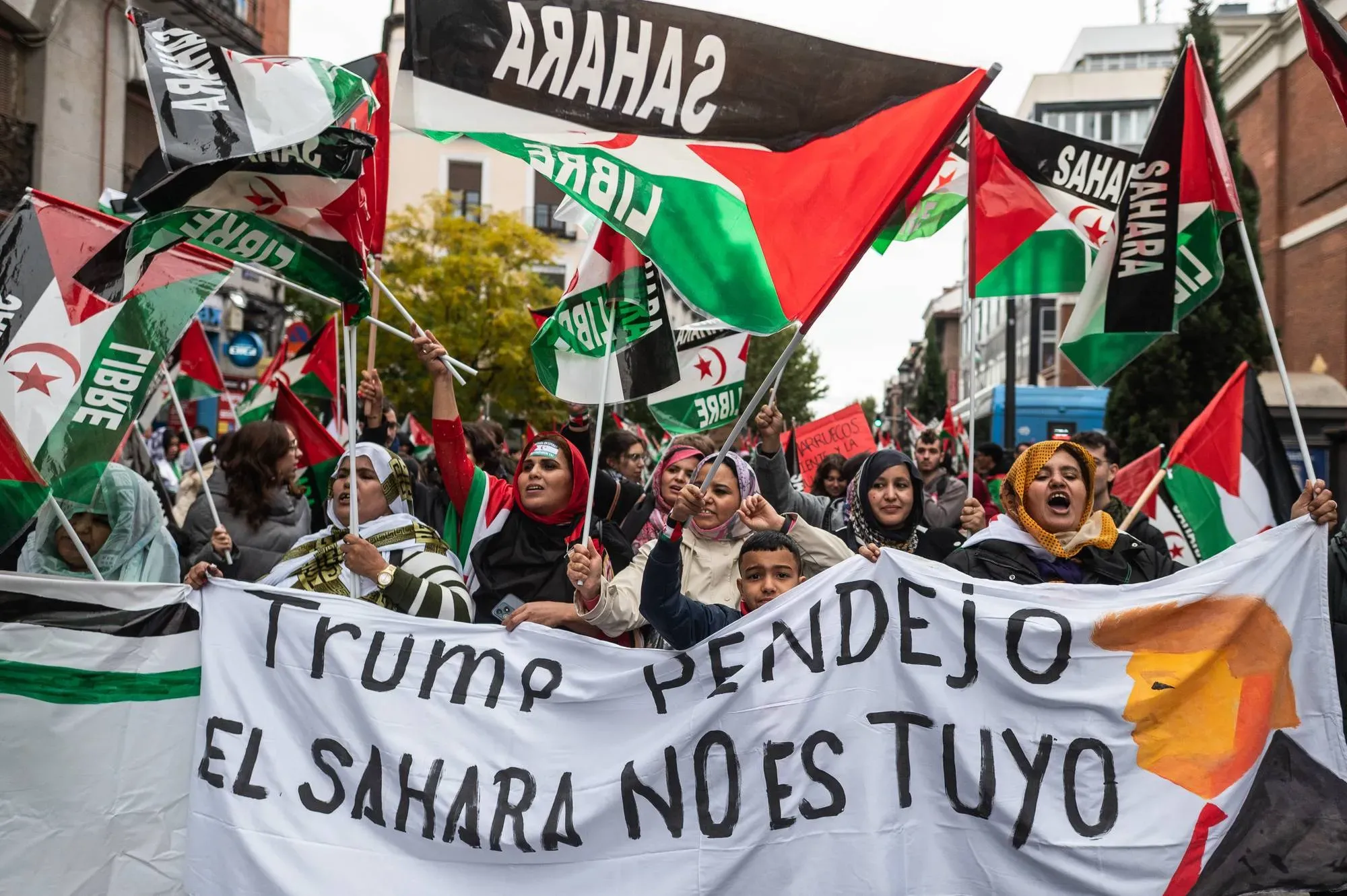
Last summer, while Nolan and his crew captured footage along the picturesque coast near Dakhla, an open letter was circulated, denouncing the filming location. This missive garnered signatures from notable figures in the film industry, including Oscar winners Javier Bardem and Pedro Almodóvar, who expressed their outrage at the lack of consent from the Sahrawi people—the indigenous inhabitants of Western Sahara. The letter poignantly highlighted that the only approval for the film's production came from the Moroccan authorities, who have historically marginalized the Sahrawi identity.
The Historical Context of Western Sahara's Occupation
The issue of Western Sahara is steeped in a complex history, recognized by the United Nations as a “non-self-governing territory.” Despite Spain's colonial rule ending in the mid-1970s, Western Sahara failed to achieve independence. Instead, it fell victim to the invasions by both Morocco and Mauritania, leading to a mass exodus of the Sahrawi population to Algeria. To this day, a significant number of Sahrawis remain displaced in refugee camps, while those who live under Moroccan administration face severe restrictions on their freedoms, categorized among the least free political systems globally, according to Freedom House.
The filming of 'The Odyssey' marks a significant milestone as it is the first major Hollywood production to take place in Western Sahara, a prospect that would have seemed unimaginable until the shift in U.S. foreign policy in 2020 under President Donald Trump. His administration's recognition of Moroccan sovereignty over the territory was, controversially, part of a deal involving Morocco's normalization of relations with Israel. This political maneuver has opened the floodgates for Hollywood to capitalize on the newly created conditions, as exemplified by Nolan’s four-day shoot in Dakhla, which is being criticized as ‘occupation cinema’—a troubling reflection of the declining adherence to international rules governing sovereignty and human rights.
For Moroccan officials, the presence of 'The Odyssey' is not merely a film production; it is a strategic propaganda opportunity that aims to enhance Dakhla’s status as an emerging hub for international film and tourism. This initiative occurs amidst an ongoing conflict between the Moroccan military and the Sahrawi pro-independence movement, the Polisario Front. The Moroccan government has invested heavily in transforming Dakhla into a tourist hotspot and a center for green energy, effectively seeking to establish an irreversible economic reality that undermines the prospects for Sahrawi independence.
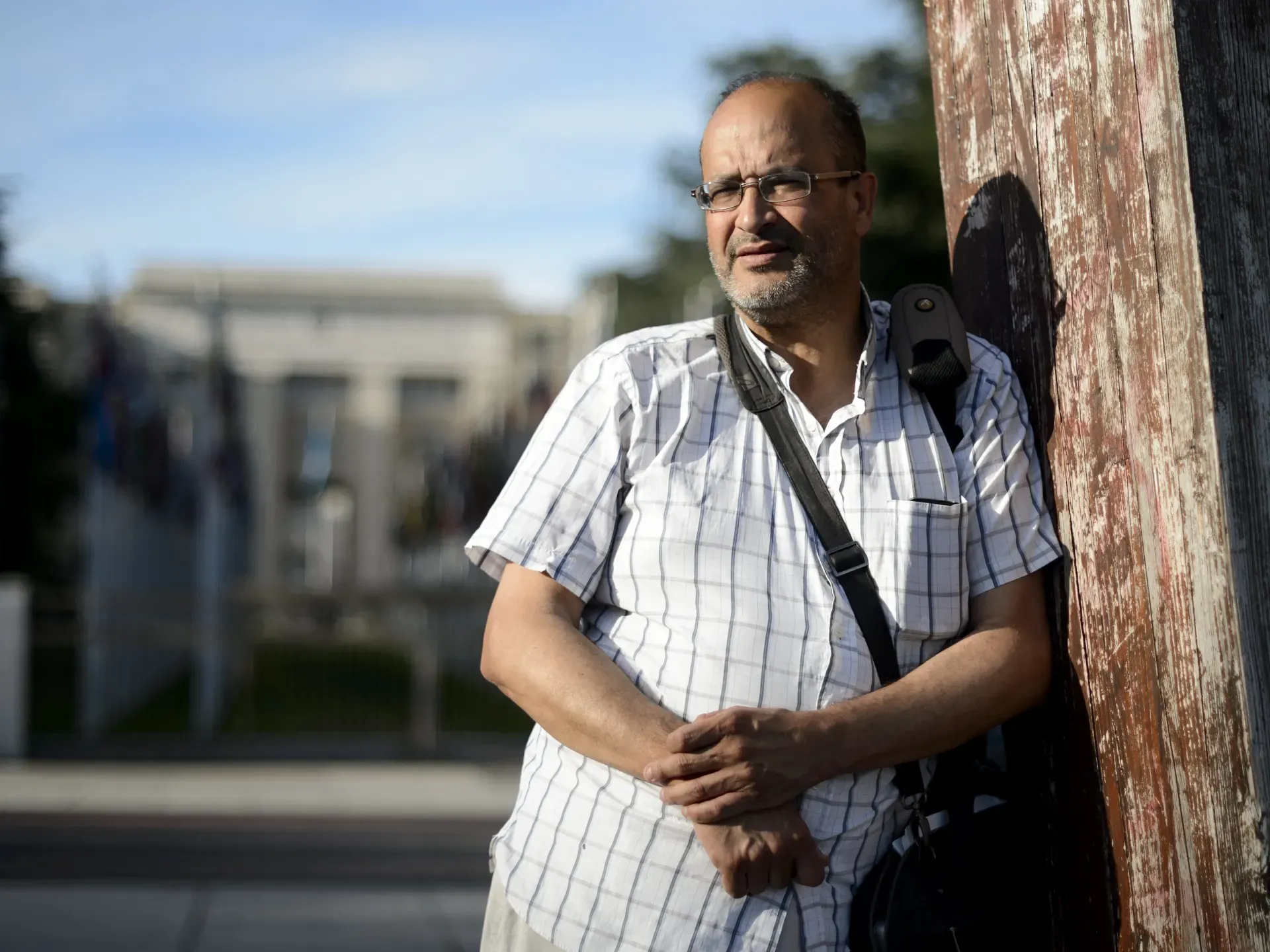
As the film nears its release, the implications of its production extend beyond the screen. For Sahrawi filmmakers and activists, the stark contrast between the freedom enjoyed by Nolan's crew and the systemic repression they endure highlights a profound injustice. Many Sahrawi creatives are unable to share their narratives or even return to their homeland due to the oppressive conditions imposed by the occupying forces. This predicament was poignantly articulated by filmmaker Brahim Chagaf, who lamented the irony of a privileged production taking place while local voices remain silenced.
As the spotlight shines on 'The Odyssey', it serves as a reminder of the broader conversations about colonialism, cultural representation, and the ethical responsibilities of filmmakers. The film's narrative, set against the backdrop of a contentious occupation, raises critical questions about the legitimacy of using such contexts for entertainment purposes. It is imperative for audiences and industry stakeholders to reflect on the implications of their engagement with productions that operate within occupied territories. The legacy of 'The Odyssey' may ultimately be defined not just by its cinematic qualities, but by the ethical considerations it compels us to confront regarding the rights and identities of the Sahrawi people.
As reported by jacobin.com.