Activists Urge Boycott of Christopher Nolan's Film Amidst Occupation Concerns
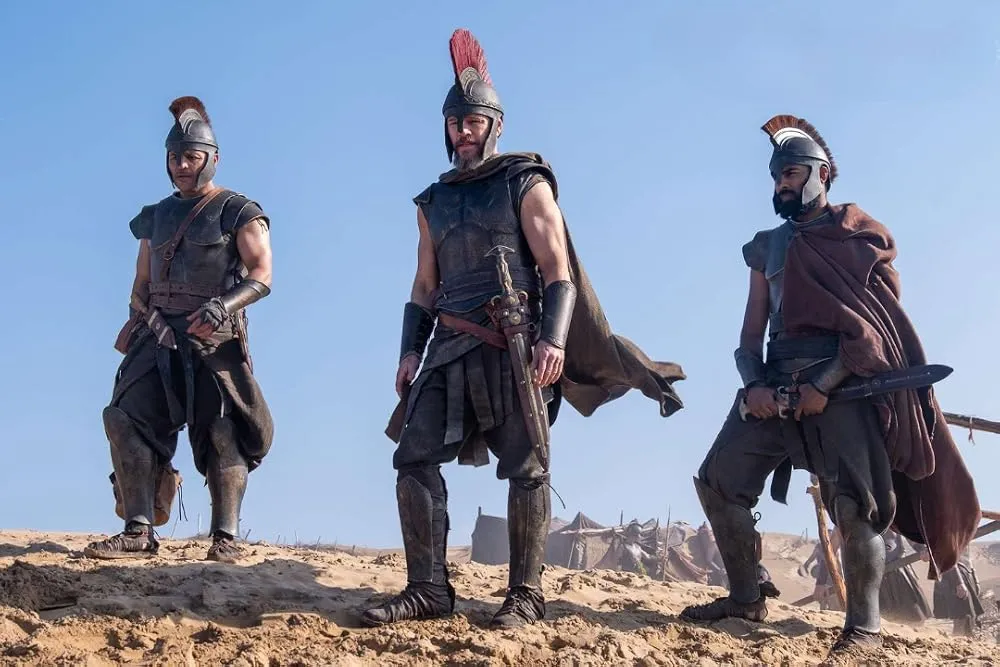
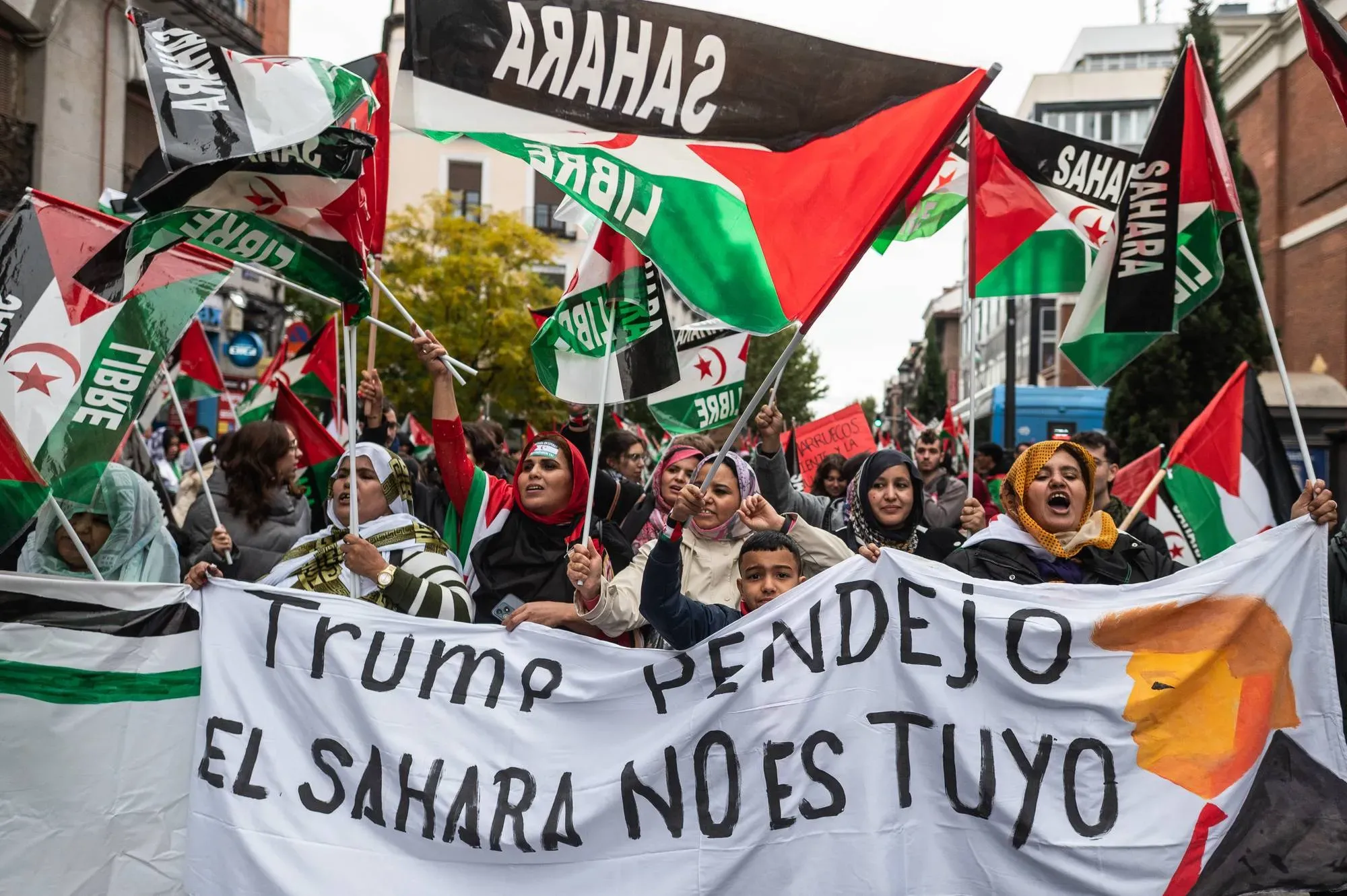
Sahrawi activists and filmmakers have intensified their calls for a boycott of the highly anticipated cinematic adaptation of Homer’s ancient epic, The Odyssey, directed by Christopher Nolan. This demand arises from the film's production location in the Western Sahara, a region that has been under Moroccan occupation for over fifty years. The sentiment among the Sahrawi people is one of profound disturbance, particularly as they endure severe restrictions on their freedoms, including freedom of expression and movement, while international film productions exploit their homeland as a backdrop for entertainment.
In an interview with Middle East Eye, Sahrawi journalist and filmmaker Mamine Hachimi voiced her discontent, stating, "It is deeply disturbing that while Sahrawi journalists are imprisoned for exposing abuses, an international film production can use our homeland as a cinematic backdrop without addressing the reality of the occupation." Hachimi, who has co-directed the short documentary Three Stolen Cameras, emphasized that this boycott is not a rejection of cinema or artistic expression but rather a plea for ethical accountability from filmmakers and producers.
Understanding the Context of the Boycott
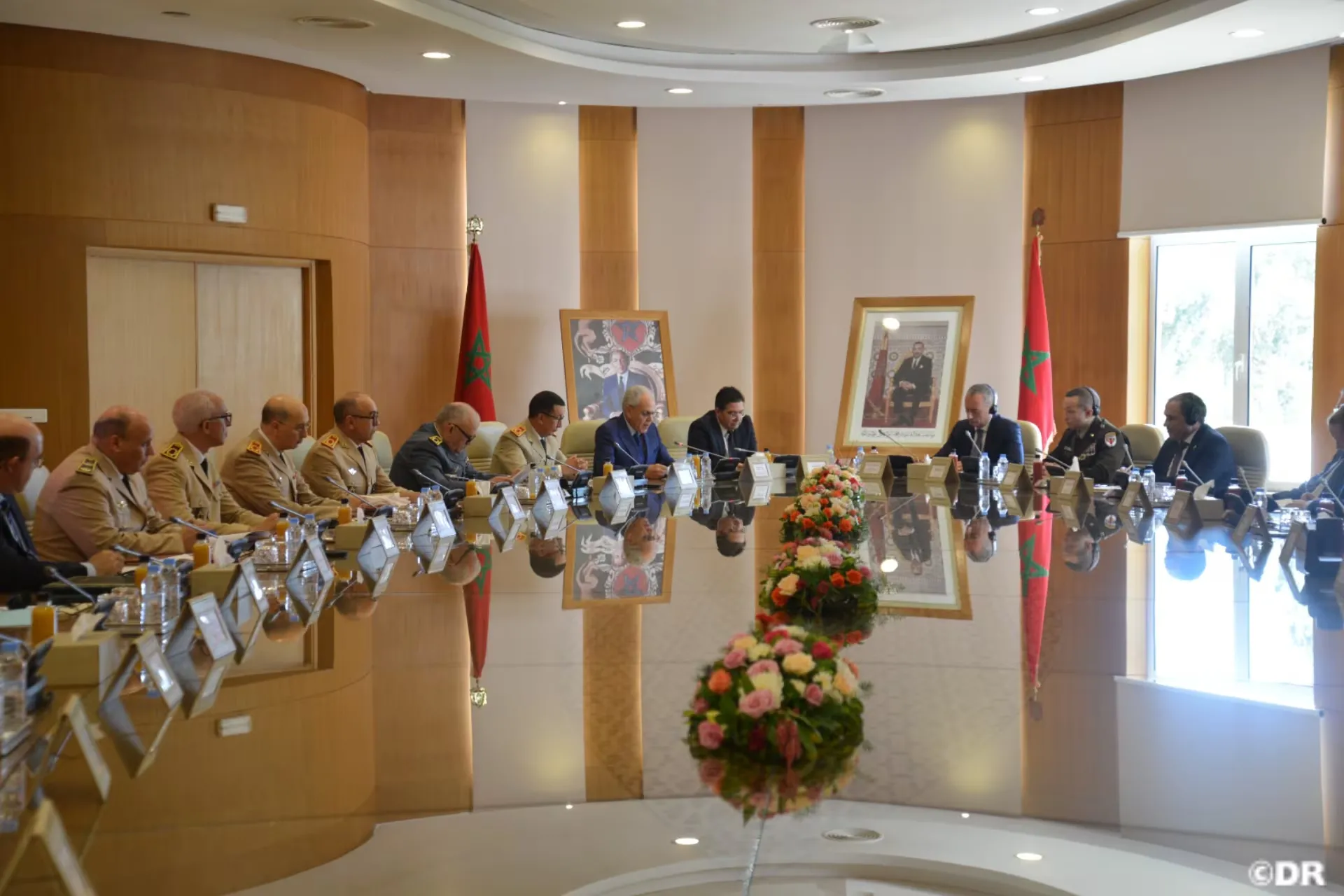
The Sahrawi people's plight is compounded by ongoing human rights violations, with activists like Hachimi highlighting the cases of political prisoners such as Abdallah Lhafaouni, who is serving a life sentence, and Bachir Khadda, who faces a twenty-year sentence for documenting human rights abuses in the occupied territory. Mohamedsalem Werad, another Sahrawi filmmaker, stressed that the choice to film in an occupied area was a politically charged decision, necessitating permission from the occupying power, thereby undermining the Sahrawi people's long-standing struggle for self-determination.
The renewed call for a boycott comes after a previous appeal by the Western Sahara International Film Festival, which was supported by numerous artists, journalists, and rights advocates. This coalition urged Nolan and Universal Pictures to cease their complicity in what they perceive as a violation of international law and the ethics of cultural production. The Sahrawi Arab Democratic Republic, which claims sovereignty over the region, has also condemned the film's production, considering it an affront to international legitimacy.
Western Sahara is often referred to as "Africa’s last colony," reflecting the ongoing struggle for autonomy faced by its indigenous people. The Moroccan government has maintained a tight grip on the region since 1975, following the departure of Spanish colonial forces, leading to a protracted conflict characterized by military oppression and denial of basic rights. The Sahrawi people's call for a boycott of The Odyssey serves as a reminder of the ethical responsibilities filmmakers have when choosing locations that are embroiled in political and humanitarian crises.
As reported by commondreams.org.