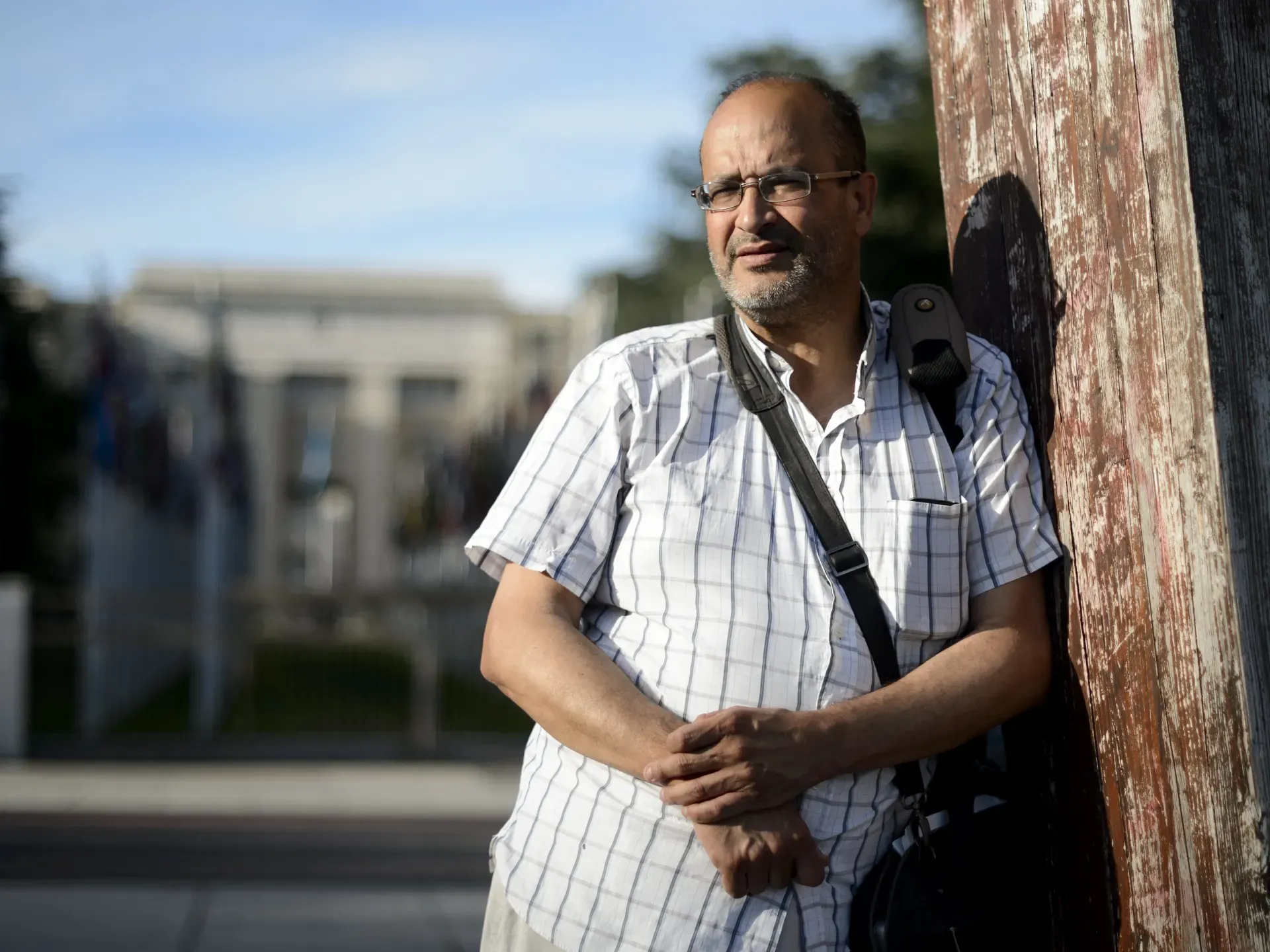
Moroccan activists have raised alarms regarding a troubling escalation in government repression against dissenters, following the recent detention of a prominent journalist and a well-known rapper. Ali Lmrabet, a 66-year-old journalist renowned for his critical stance against the Moroccan government, was released from police custody just three days after his arrest on defamation charges. His arrest occurred at Tangier airport upon his return from Spain, where he had been living for several years. The public prosecutor's office confirmed his release after significant public outcry from various media rights organizations, including Reporters Without Borders (RSF) and the Committee to Protect Journalists (CPJ), who demanded his freedom.
Upon his release, Lmrabet expressed his commitment to journalism, stating, "I only practice journalism. I don’t engage in politics. The fact that I practice independent journalism seems to bother a lot of people." Despite his release, an investigation into Lmrabet remains active, with the prosecutor's office indicating that he is under scrutiny for alleged "defamatory and insulting remarks against individuals and institutions." RSF welcomed Lmrabet's release and urged Moroccan authorities to drop the charges against him, although it remains uncertain whether he is permitted to leave the country.
Lmrabet has a history of facing government backlash; he previously published notable independent magazines in Morocco, including Demain Magazine and the Arabic-language Doumane, both of which were banned in 2003 after he was convicted of insulting the monarchy. Following this, he served three years in prison but was released early in 2004 due to a royal pardon. Furthermore, he faced a decade-long ban on practicing journalism in Morocco due to previous defamation convictions relating to comments made about Western Sahara, a disputed territory largely controlled by Morocco.
In tandem with Lmrabet's situation, the Moroccan rapper and filmmaker Mehdi El Youbi was also apprehended amid rising tensions. El Youbi was brought before a Casablanca court without legal representation due to a lawyers' strike in the country. His supporters believe his arrest, which took place after he was denied re-entry to France, is connected to his politically charged lyrics and social media activities. They are sounding alarms about a growing crackdown on critics of the regime, especially in the wake of the recent nationwide protests led by younger generations advocating for change.
The Association of Maghrebi Workers in France issued a statement condemning the recent wave of arrests, emphasizing that such actions should not be normalized. They stated, "We cannot treat this escalation as business as usual. We cannot get used to arrests. We cannot consider repression a normal form of governance." This sentiment encapsulates the rising concern among activists and citizens alike regarding the Moroccan government's stance on free expression and dissent.
As reported by aljazeera.com.