Group C Overview: A Clash of Footballing Cultures
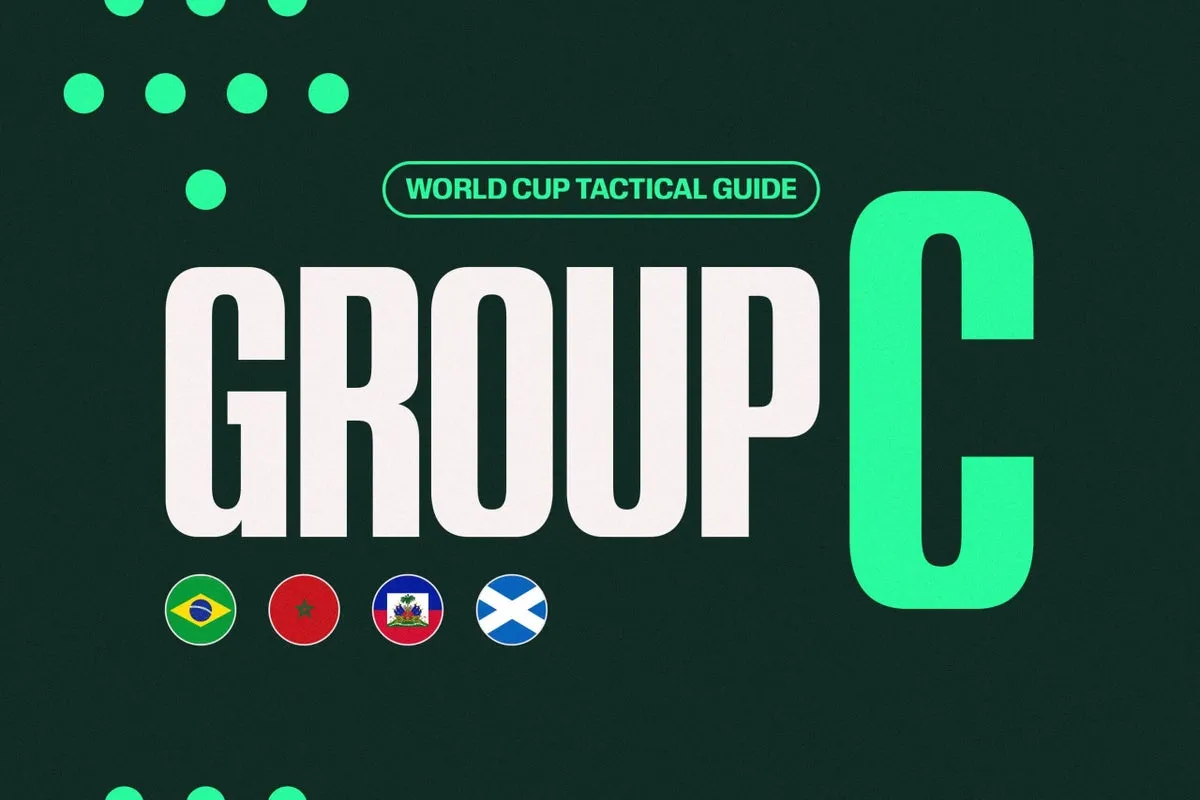
The 2026 FIFA World Cup is set to unfold a thrilling narrative within Group C, featuring heavyweights Brazil alongside the underdog nations of Haiti, Morocco, and Scotland. Brazil, a five-time world champion and the nation with the most World Cup titles, stands as a formidable favorite under the strategic leadership of Carlo Ancelotti. Following their historic run in 2022, where Morocco became the first Arab and African team to reach the semi-finals, they seek to replicate that success. Meanwhile, Scotland returns to the World Cup stage after a 28-year hiatus, and Haiti, with only one previous World Cup appearance in 1974, aims to make their mark. Each team presents unique dynamics and narratives that are sure to engage fans as the tournament approaches.
Brazil's Tactical Brilliance and Key Players
Brazil’s tactical prowess is underpinned by Ancelotti's ability to harness the talents of world-class players, striving to surpass their quarter-final exits in 2018 and 2022. The Brazilian attack features an explosive array of forwards, including Vinicius Junior, Raphinha, and Matheus Cunha, all contributing to a fluid and dynamic style of play. The team's approach in possession is characterized by a 3-2-4-1 formation, where the right-back pushes forward, and midfielders like Bruno Guimaraes and Casemiro facilitate ball progression. Notably, Vinicius Jr's adaptability allows him to drift from a central position to the left wing, creating space for attacking runs from his teammates. Furthermore, Brazil employs a high pressing strategy out of a 4-4-2 shape when out of possession, emphasizing the importance of regaining the ball early in the opponent's half.
Morocco enters the tournament with a new head coach, Mohamed Ouahbi, who recently took over from Walid Regragui. Despite the coaching change, Morocco's tactical identity remains mostly intact. The team has transitioned to a 3-2-4-1 formation, utilizing the attacking prowess of Achraf Hakimi. Their focus on width and dynamic movement in attack was evident in their recent matches, showcasing a blend of defensive solidity and offensive threat. Scotland, under Steve Clarke, is adapting to a back-four system after underwhelming performances in Euro 2024, emphasizing a versatile approach that allows them to switch between formations as the match context demands. Finally, Haiti's tactical framework thrives on swift transitions, with players capable of exploiting spaces behind the opposition's defense, making them a team to watch in this dynamic group.
As reported by nytimes.com.