
As Spain celebrates its recent victory in the current FIFA World Cup, the nation's attention turns to its ambitious aspirations for hosting the final match of the 2030 tournament. Rafael Louzán, the president of the Spanish Football Federation, has boldly claimed that the final should take place in Spain, although FIFA has yet to confirm the host city. In contrast, Morocco is gearing up with the Grand Stade Hassan II in Casablanca, which aims to become the largest football stadium in the world, boasting a capacity of 115,000 seats. This competition between the two nations for the prestigious match is intensifying, extending even into the political arena.
Louzán has made several statements in recent months asserting that the World Cup should be led by Spain, with the final held within its borders. However, he has not specified a particular venue for this event. Currently, FIFA has not awarded the hosting rights to either Madrid or Casablanca, and there is no timeline available for when a decision regarding the final's location will be made.
Pressure Mounts on Spain's Bid
The Spanish federation president is urging the government, football league, and other institutions to increase their involvement in the joint bid. According to Louzán, Morocco is mobilizing more decisively for the final than its Spanish counterparts. He has expressed frustration over reports that emphasize Morocco's potential to host the final, suggesting that such publications aim to highlight the kingdom's bid at strategic moments, including the day of a Moroccan national match.
Moreover, Louzán underscored Spain's significant contribution to the joint project, claiming that the country accounts for 55% of the bid, which he argues reflects Spain's share in the venues, infrastructure, and organization of the tournament. Spain is set to provide more than half of the total 20 proposed venues, with eleven stadiums, while Morocco will host six, and Portugal three.
Government and National Team Support for Madrid
The Spanish government is also publicly advocating for the final to be held in Spain. Sports Minister Milagros Tolón stated in the Senate that the government is actively working to bring the final match to Spanish soil. National team coach Luis de la Fuente has echoed this sentiment, leading to a united front from the football federation, government, and national team management in support of a Spanish-hosted final.
It remains unclear which specific stadium Spain would officially propose for the final. Madrid boasts the recently renovated Santiago Bernabéu, one of Europe's most famous football arenas, while Barcelona's Camp Nou is also undergoing extensive renovations. However, Louzán has yet to commit to either location.
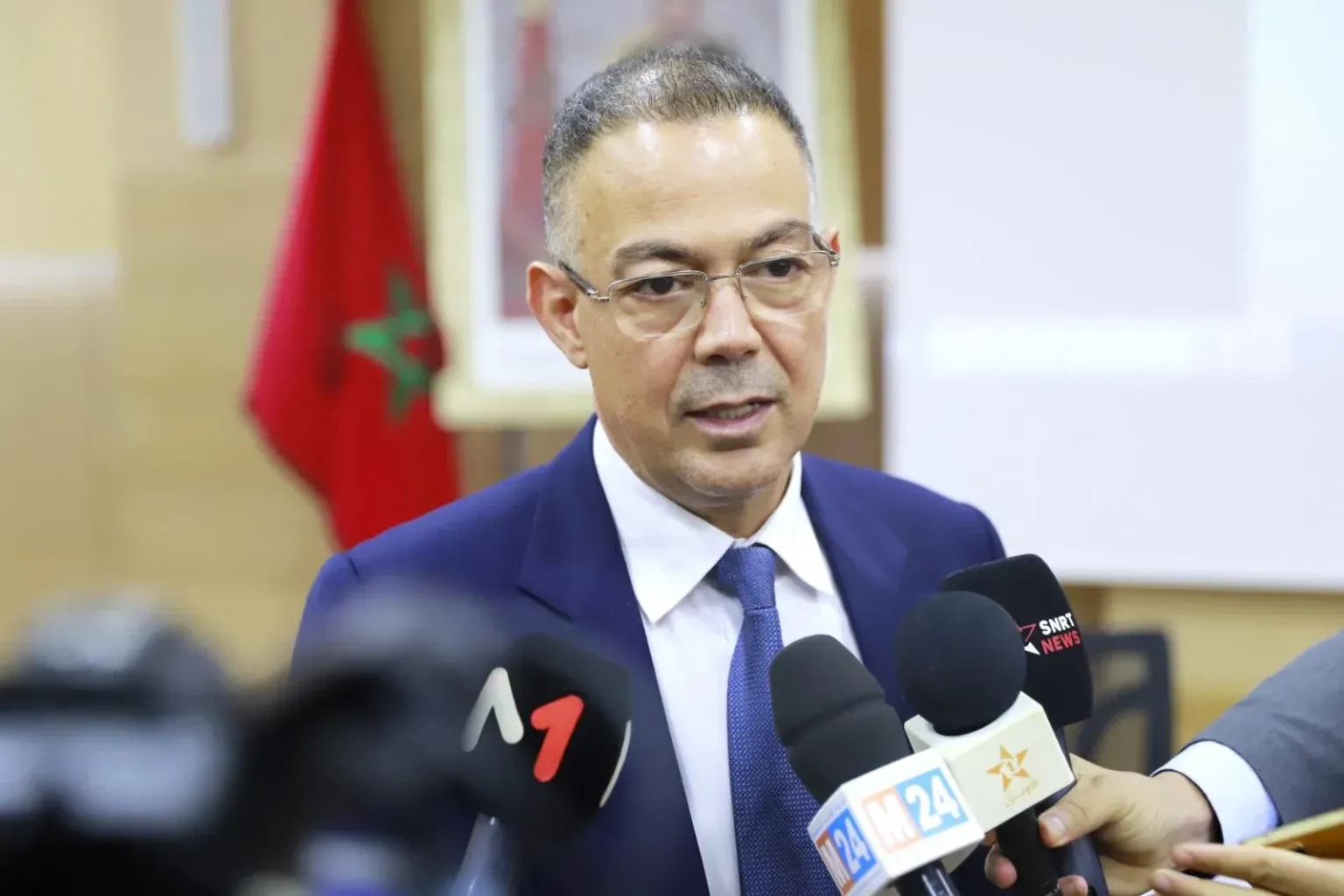
On the other hand, the Moroccan Football Federation is refraining from making any definitive public statements. Federation President Fouzi Lekjaa has reminded stakeholders that FIFA has not yet made a decision, and he has not directly addressed Louzán’s repeated claims.
Morocco's strongest argument lies in the Grand Stade Hassan II, being constructed in the Benslimane region between Casablanca and Rabat, with an opening scheduled for 2027. The stadium's anticipated capacity of 115,000 spectators would surpass both the Santiago Bernabéu and Camp Nou, positioning it as a prime candidate for major international football events. The stadium is designed to meet the demands of large-scale tournaments, focusing on capacity, transport links, security protocols, accommodation options, and technical infrastructure, all of which are crucial for the final's venue selection.
Casablanca, being Morocco's economic hub, is home to the country’s largest international airport, and it offers relatively quick access to the capital Rabat and several tourist destinations.
Spain, Portugal, and Morocco will jointly host the majority of the World Cup, with three matches also taking place in Uruguay, Argentina, and Paraguay, marking the first time the tournament will span three continents. This arrangement hearkens back to the inaugural World Cup held in Uruguay in 1930, involving six nations in total for this milestone event.
This collaborative bid has initially quelled the rivalry among Spain, Portugal, and Morocco, with Morocco previously attempting to host the World Cup independently. Eventually, the kingdom joined forces with the Iberian bid for the tournament.
Spain's distribution of venues provides it with a significant quantitative advantage, though Morocco's new stadium in Casablanca will feature the highest planned spectator capacity. The FIFA organization collaborates with national organizing committees for jointly hosted tournaments, but ultimately, it retains the authority to make key decisions, including the match schedule and selection of venues for the opening and final matches.
Despite the ongoing dispute over the final's hosting rights, Louzán continues to frame the bid as a collective project, one that unites three continents and six countries working together with FIFA for the tournament's organization. To date, there has been no official confirmation regarding whether the final will be held in Spain or Morocco, nor has FIFA announced a timeline for revealing the chosen host city.
As reported by fokus-afrika.de.