
Understanding the Shifts in Morocco's Political Arena
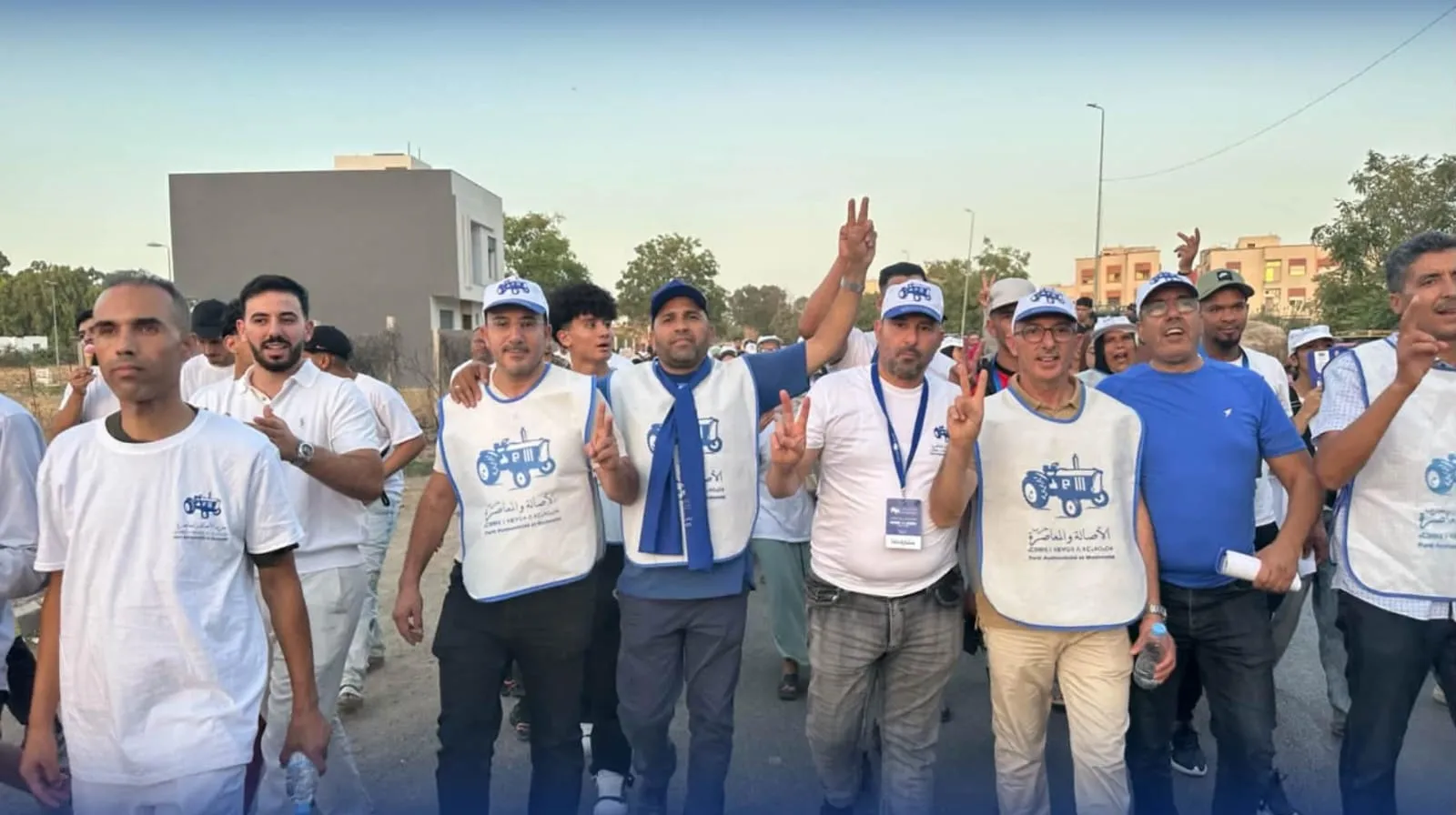
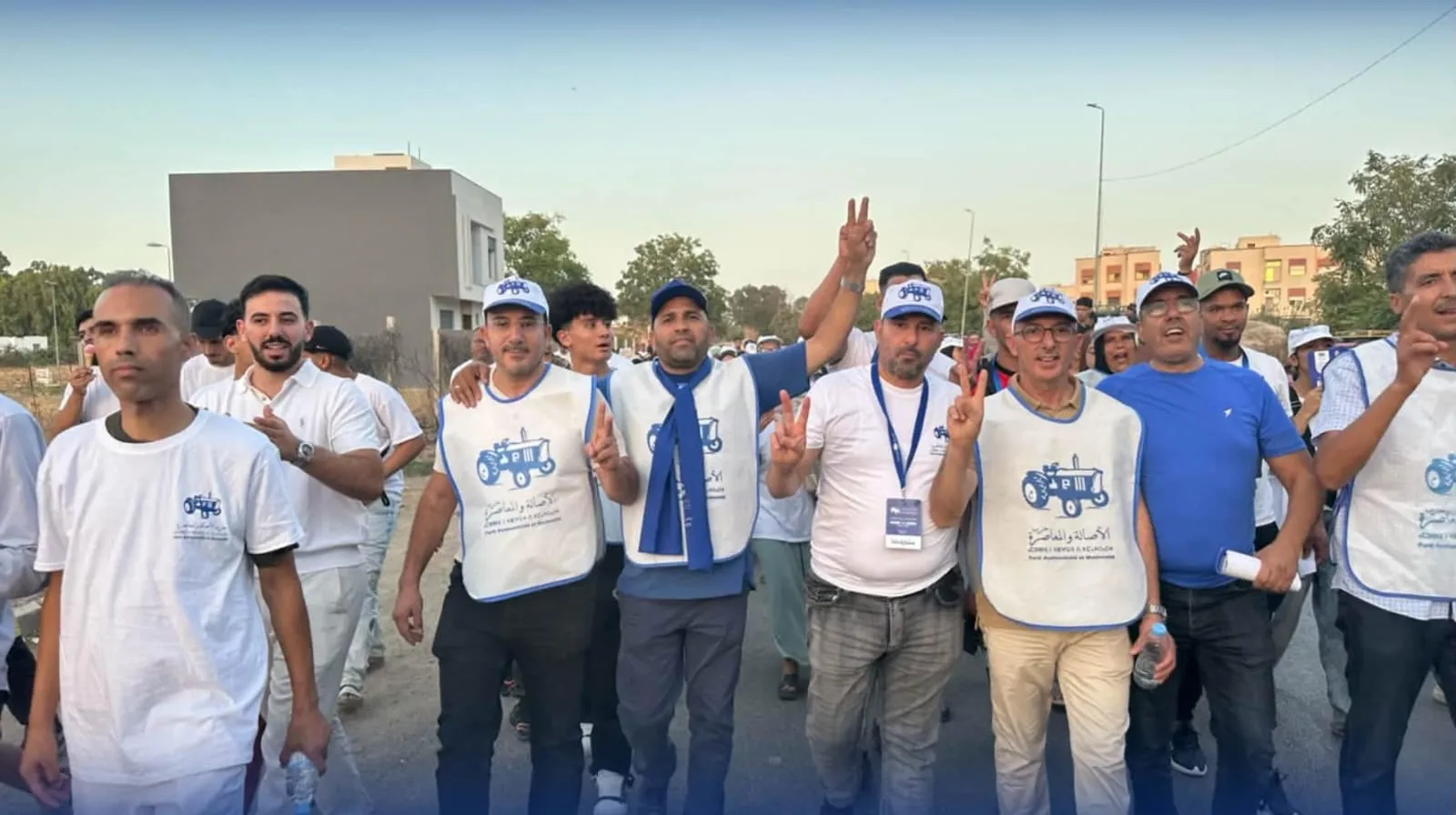
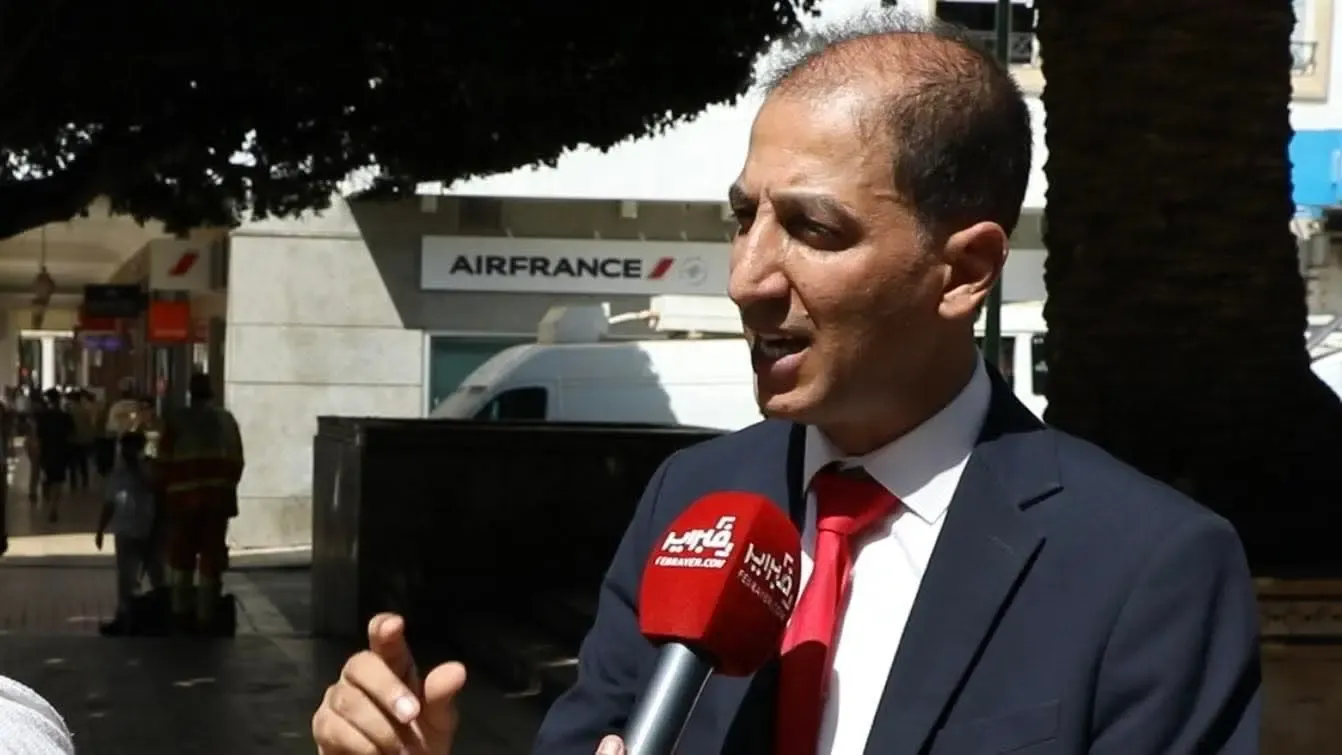
In a recent interview, Amin Said, a constitutional law professor at Sidi Mohammed Ben Abdellah University in Fes, provided insightful commentary on the outcomes of the legislative elections as announced by the Ministry of Interior. He emphasized that these results highlight significant transformations within the political landscape without suggesting a complete overhaul of the existing political framework. The three parties that dominated the 2021 elections have once again secured leading positions in the current electoral round, albeit with a notable shift in power dynamics among them. Specifically, the prominence and influence have transitioned from the National Rally of Independents to the Authenticity and Modernity Party, demonstrating a reconfiguration of political strength.
Delving into the electoral results, Said discussed the concept of "punitive voting," suggesting that while it can be observed to some extent, particularly regarding the party that previously led the government, which has experienced a decline in electoral support, this theory does not uniformly apply to all parties within the governing coalition. He noted that the Justice and Development Party has made remarkable gains, increasing its representation from approximately 13 seats to around 54, marking a significant electoral rebound and positioning it as a key beneficiary of the recent elections. This resurgence reflects a shift in voter sentiment and suggests a stronger foothold in the political arena.
Conversely, the majority of opposition parties have witnessed a decline in their seat counts, raising questions about the viability of the punitive voting hypothesis. For instance, the Socialist Union of Popular Forces lost about eight seats, while the Progress and Socialism Party saw a decrease of approximately three seats, and the Constitutional Union lost one seat, contrasted by a slight gain for the Popular Movement. Notably, the Left Alliance has made substantial progress, gaining eight seats, which Said described as a qualitative leap, particularly in districts where political considerations heavily influence voting behavior. This trend warrants further examination as part of a broader analysis of the newly defined electoral map.
Moreover, Said pointed out that the overall voter participation rate plays a crucial role in interpreting the announced results, describing it as "exceptional" and urging its consideration alongside the distribution of seats and the shifts in power among various parties. Ultimately, Said concluded that the new electoral outcomes reflect a continuation of certain features from the previous political landscape, while also indicating clear transformations in the hierarchy and balance of power, particularly with the notable rise of the Justice and Development Party and the decline of several opposition parties.
As reported by febrayer.com.