On July 14th in Dallas, Spain triumphed over France with a score of 2-0, leaving the French media scrambling for explanations the following morning. Phrases like "We lost against ourselves," "We didn't play our game," and "A team unrecognizable" echoed through the headlines. Coach Didier Deschamps pointed to technical errors and a lack of offensive threat as key issues. The French team, previously unbeaten in twelve official matches and emerging from a perfect group stage, struggled to make a significant impact against players like Rodri and Lamine Yamal.
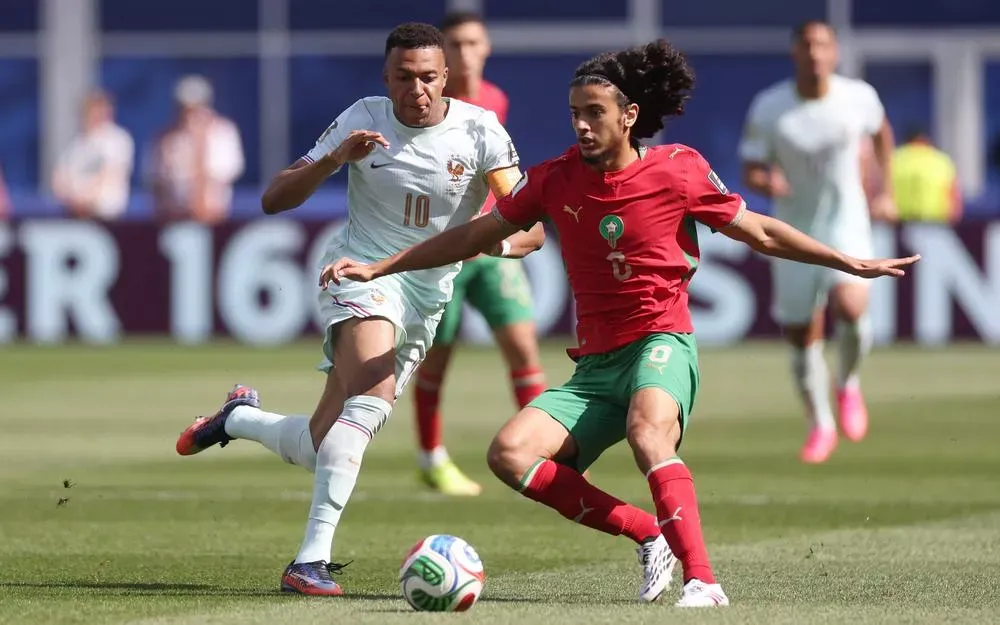
Just five days earlier, in Boston, France had secured a 2-0 victory over Morocco, yet the same themes of underperformance were present in both matches. Analysts noted that when a team faces a stronger opponent, it can lose its identity. This is not a betrayal; it merely illustrates the definition of being outmatched. However, the reactions in both countries diverged significantly.
In Paris, there were no attempts to find extraneous reasons or blame players for "selling" the match. The general consensus was that Spain was simply the better team, and the focus shifted quickly to other matters.
A Personal Reflection
On Tuesday night, I found myself rooting for France—not out of affection but as a matter of arrangement. A victorious France would mean Morocco could claim its exit from the tournament had come at the hands of the eventual champions. This would turn the defeat into a mere footnote in someone else's glory.
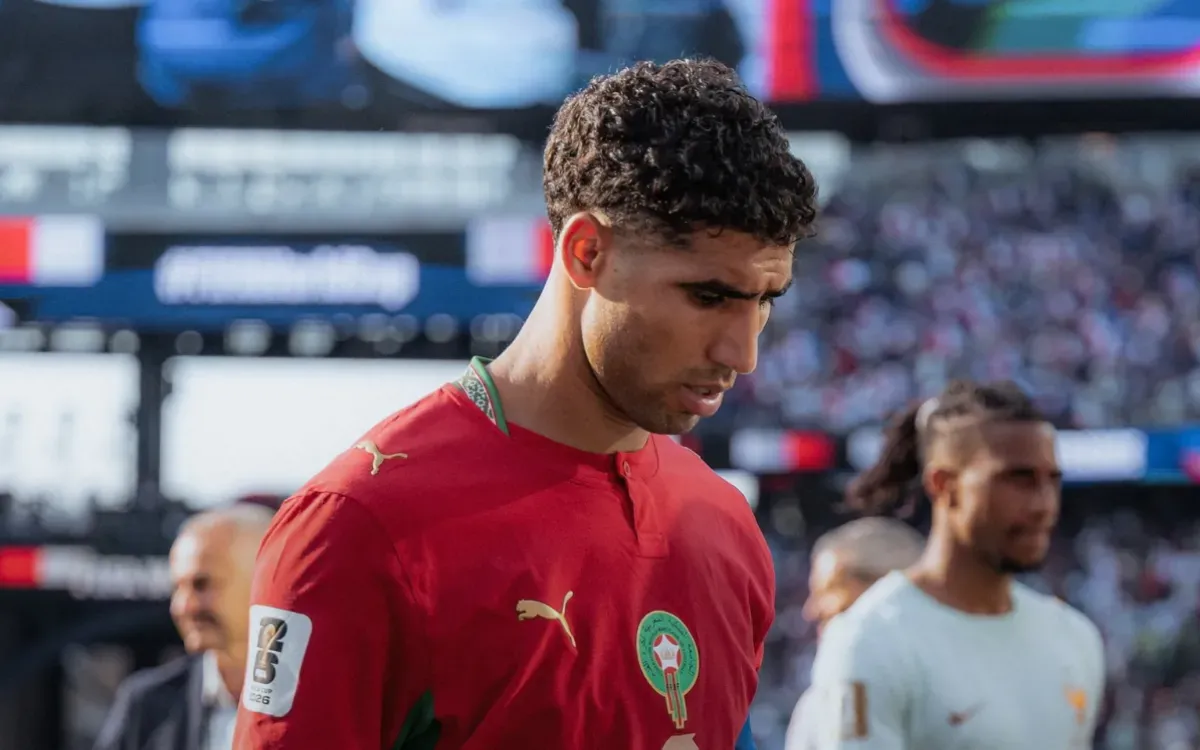
Spain's 2-0 victory ultimately provided a more profound insight than I had anticipated. For ninety minutes, I observed a French team that never seized control of the match, failing to establish its presence. This mirrored Morocco's situation just days prior. I sought an alibi for the French team's performance but received a sobering explanation instead. While some chose to deflect blame onto specific players, such as Achraf Hakimi, who was seen smiling and conversing with teammate Désiré Doué, labeling him a traitor in the process, the reality was more complex.
Let's consider who Hakimi is—a player who led the Moroccan team to the semi-finals in Qatar, returned from injury to participate in a demanding African Cup of Nations (CAN), and has consistently played at a high level across club and international competitions. His coach has remarked that "in ten years, we will recognize that we had the best right-back in the world." Meanwhile, images of Hakimi in distress after the match circulated far less than the ones that fueled outrage. This highlights the core issue: not merely the defeat but the narratives we construct around it.
The Tournament Dynamics
As the tournament commenced on June 11, 2026, the FIFA rankings positioned Argentina, Spain, France, England, Portugal, Brazil, Morocco (7th), the Netherlands, Belgium, and Germany at the top. It's crucial to remember this top ten as one reflects on Morocco's journey. They faced Brazil (6th) in the opening match, resulting in a 1-1 draw, and progressed past the Netherlands (8th) in a dramatic penalty shootout. In contrast, France faced teams ranked far below the top ten, including Senegal (18th), Iraq (63rd), Norway (19th), Sweden (37th), and Paraguay (34th) before finally meeting Morocco and then Spain.
This isn't a critique of France's path; it merely illustrates the differences in their opponents faced leading into the knockout stages. When commentators argue that Morocco didn't play to its potential in Boston, it must be acknowledged that they arrived at that match with two top ten games under their belt, while the French squad had none. The logistics of the tournament also played a significant role, as Morocco traversed 9,286 kilometers compared to France's 2,964. Distance alone does not dictate fatigue; rather, it’s about the number of times a team changes locations, adjusts to new time zones, and deals with travel logistics.
In conclusion, Spain's victory over France was not merely a matter of distance traveled or fatigue; it illustrated the depth and resilience of the teams on display. As reported by mobile.telquel.ma.