
The Dire Migration Situation in Ceuta
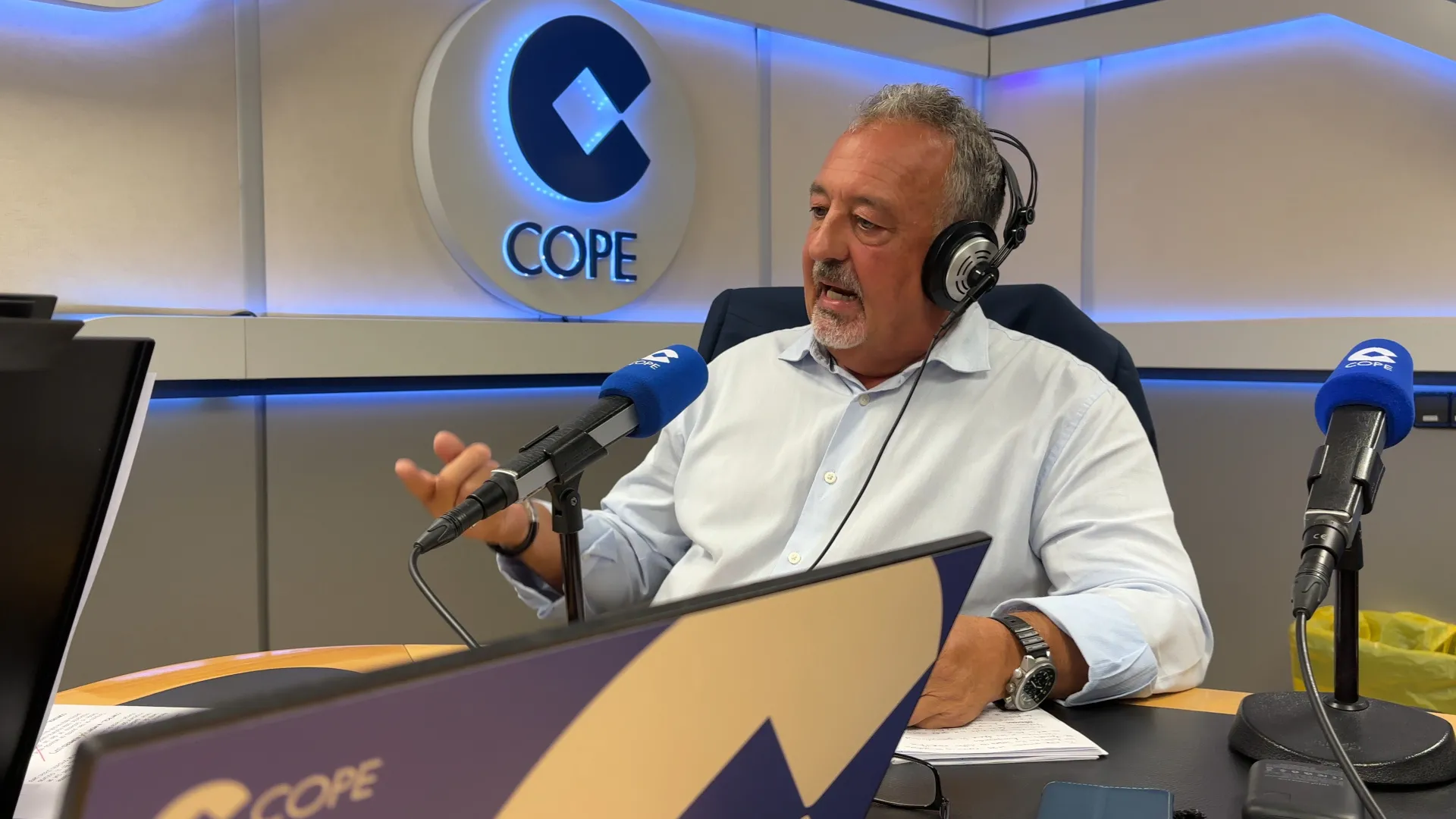
In a recent segment of 'La Linterna,' Ángel Expósito engaged in a critical discussion regarding the severe migration crisis and escalating insecurity in Ceuta with former police commissioner Luis Mayandía, who previously led the Central Unit for Illegal Immigration Networks and Document Fraud (UCRIF Central). Mayandía characterized the unfolding events as a genuine "horror" and expressed deep concern over what he sees as a troubling institutional inaction in response to what he describes as a "hybrid attack" reminiscent of scenarios outlined in strategic manuals.
During their conversation, Mayandía emphasized that the current turmoil is a meticulously organized strategy emanating from Morocco, aimed at undermining national stability. He stated unequivocally, "This has been orchestrated by Morocco, with objectives that certainly do not benefit Ceuta or the rest of Spain," highlighting the potential risks posed to national security. His extensive background, including military experience and serving as an interior attaché in Tangier, lends weight to his assertions regarding the ongoing crisis.
Warnings Ignored: A Call for Institutional Action
Mayandía revealed that security forces had access to reliable information well in advance, indicating that intelligence reports and telecommunications data had sufficiently alerted authorities about the concentrations of sub-Saharan migrants. "Nobody can tell me that Morocco was unaware, and we certainly knew and were informed in a timely manner," he asserted, recalling regular meetings held at the State Secretariat for Security. Traditionally, Moroccan authorities would redirect migrants southward during the king's summer holidays in Tetouan, a practice that did not occur this time around.
Amid mounting public scrutiny regarding police and intelligence reports, the former commissioner lamented the treatment of the State Security Forces. He expressed frustration, stating, "We are left abandoned, utterly disregarded, as we are slandered and our ability to operate is nullified," criticizing the institutional neglect following alerts that were issued. The pressure on the autonomous city has exceeded initial estimates, driving government forecasts to anticipate almost 10,000 reception spots. In this highly tense context, managing the establishment of camps and necessary infrastructure has become increasingly complex, particularly with demands from the Unified Police Syndicate.
Mayandía insisted that existing administrative mechanisms and procedures are ill-equipped to handle such a massive influx without appropriate facilities. "We could have implemented preventive measures, given that we already had precedents, yet we fail to learn from our mistakes," he lamented, pointing to the lack of resources facing the National Police amidst the crisis in Ceuta.
Discussing the process for accommodating unaccompanied minors, the former UCRIF head described the sluggishness of the triage system dictated by the European Union. He noted, "We are slaves to our own regulations; it’s a foolish spider entangled in its own web," as he detailed the various phases involved in medical examination, identification, and asylum and international protection requests. He pointed out that there are over 800 cases of minors currently with Moroccan authorities awaiting diplomatic confirmation for their return.
Additionally, he raised alarms about the aspirations of what is termed Greater Morocco, an expansionist strategy that seeks to exert pressure on the sovereignty of Ceuta and Melilla through waves of migration in various phases. Concluding his analysis on 'La Linterna,' Mayandía voiced grave concerns over the risk of civil unrest if institutional inaction on the border continues. "We know how this begins, but not how it ends; urgent measures are needed to alleviate the pressure on our compatriots in Ceuta," he concluded, calling for a robust response from the Spanish Government.
As reported by cope.es.