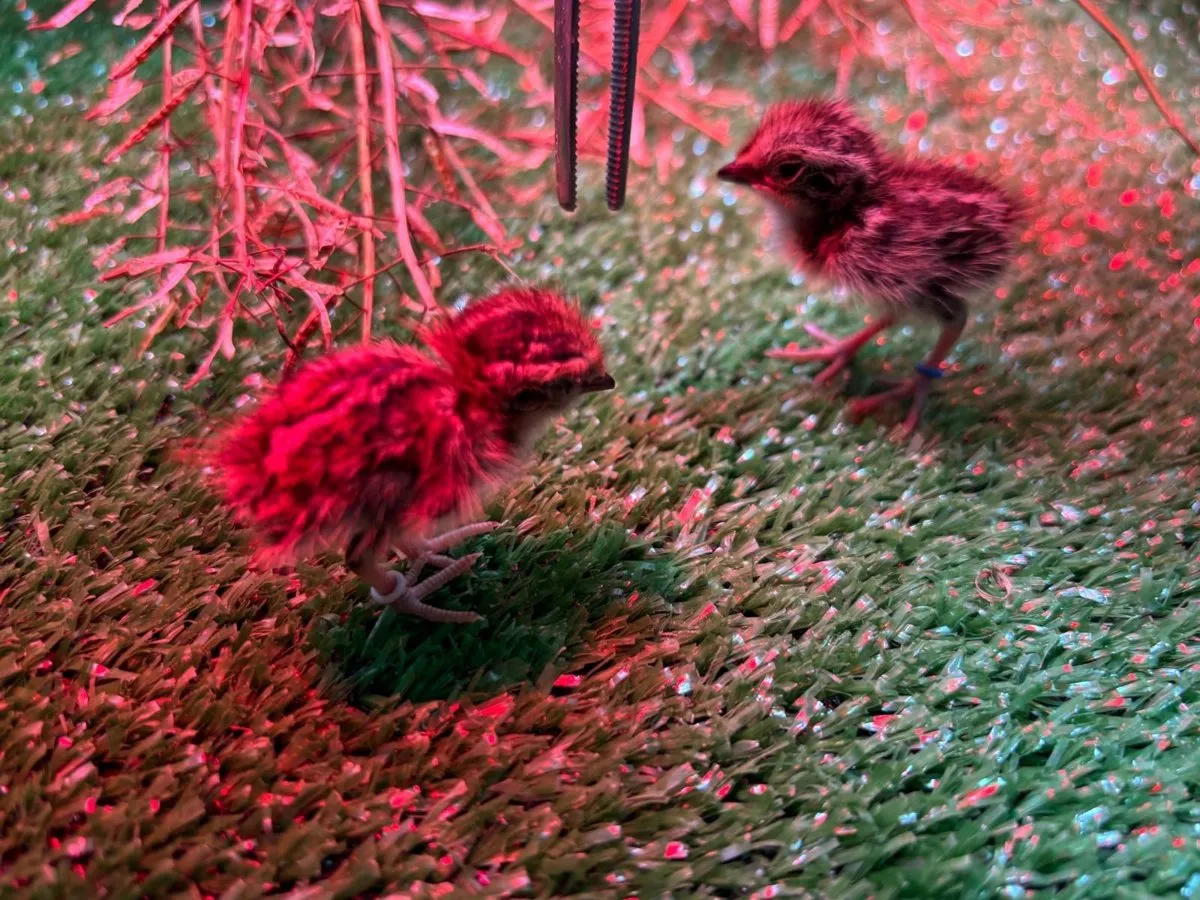

The Junta de Andalucía, through its Department of Sustainability and the Environment, has embarked on a significant new phase aimed at the future reintroduction of the Andalusian bustard into the autonomous community. This initiative has been bolstered by the arrival of 18 specimens from Morocco, which landed at the Port of Algeciras (Cádiz) on September 9. Following their arrival, these birds were transported to the Zoobotanical Biodiversity Conservation Center in Jerez, where an 'ex situ' breeding program for the species will commence. This milestone is the culmination of a process that began approximately a year and a half ago within the Geodiversity and Biodiversity Service of the General Directorate of Forestry Policy and Biodiversity.
Since the inception of this project, the Ministry has focused on the technical preparation, established a working group, and conducted meetings with various involved organizations and entities, as detailed in a recent statement by the Junta. Significant efforts have been made towards scientific documentation and feasibility studies, alongside bilateral discussions between Spain, Andalusia, and Morocco to lay the groundwork for long-term cooperation. Prior to their arrival in Andalusia, these birds underwent a critical first stage, involving the identification and rescue of nests in Morocco, which allowed for the recovery of eggs, successful incubation, and hatching. The transfer of the 18 bustards to the Jerez Zoobotanical facility marks the beginning of captive breeding, an essential tool to ensure a secure population and, in the future, to have birds available for the recovery of the species in areas of its historical distribution.
Plans are in place to conduct at least four more campaigns in Morocco over the coming years, aiming to establish a sufficient breeding group with the highest possible genetic variability. Avoiding inbreeding and maintaining a healthy population are critical components of the management strategy, with each bird being individually identified and documented. As the breeding nucleus strengthens, the potential for reintroduction in Andalusia and the bolstering of the existing Moroccan population will increase. The Andalusian bustard (Turnix sylvaticus sylvaticus) is recognized as one of the world's most threatened taxa and, by extension, among the most endangered in the Palearctic. Its sole confirmed population resides in a coastal enclave of Morocco linked to traditional farming and gardening practices, likely comprising only a few hundred individuals. Recent observations indicate a downward trend in this population, placing it in a highly vulnerable situation. Historically, this species occupied a much broader territory across the Mediterranean basin but has since vanished from most of its original distribution area.
The urbanization of coastal areas and the intensification of agriculture during the 19th and 20th centuries are among the factors contributing to this decline. Therefore, the Moroccan population is a crucial element in efforts to restore its distribution while simultaneously enhancing its conservation prospects in the region where it still exists in the wild. 'Ex situ' breeding, conducted outside of the natural environment under specialized care, provides a safety net against the risk of extinction. This approach mirrors strategies utilized to recover other highly endangered species, such as the Iberian lynx in the Iberian Peninsula. Once a robust breeding nucleus is established in Jerez, its descendants could be employed in future in situ conservation programs, reintroducing them into carefully selected sites along the Andalusian coast.
Historical records from Europe and research conducted over recent decades on the Moroccan population have yielded valuable insights into the biology and activity patterns of the Andalusian bustard. This knowledge has been instrumental in assessing the viability of all project phases, from obtaining specimens from the donor population and breeding them in captivity to eventual reintroduction efforts. The birds housed at the Jerez Zoobotanical facility will also facilitate studies on physiology, biology, and behavior, enhancing our understanding of the species and the underlying causes of its decline. Simultaneously, a second ex situ conservation nucleus will be established at the Aïn Sebaâ Zoo Park in Casablanca. Both units will be managed in a coordinated manner, with the studbook, or genealogical record of the captive population, centralized at the Jerez Zoobotanical.
The scale of this initiative necessitates close collaboration between administrations, scientific institutions, and specialized entities from Spain and Morocco. Currently, the participating administrations include the Department of Sustainability and the Environment of the Junta de Andalucía, the Ministry for Ecological Transition and the Demographic Challenge, and the Government of Morocco. The International Union for Conservation of Nature (IUCN) and the Zoobotanical Biodiversity Conservation Center in Jerez also play pivotal roles in this effort. A collaboration protocol between the Ministry and the City Council of Jerez provides a framework for this participation, with active and significant involvement from the center's staff in the activities conducted thus far. Additionally, their facilities will host the ex situ conservation program. In the scientific realm, the initial phase has benefited from the expertise of the Migres Foundation, known for its extensive experience in reintroduction projects. The company Rifcon is also part of this collaboration, including Carlos Gutiérrez, one of the leading specialists on the Andalusian bustard.
Their research has served as a reference for the development of the project. Other contributors include Bruc, Texla Renovables, and Statkraft, while the environmental consultancy Austros has executed the activities conducted in Morocco. The program is structured into three phases: the first involved forming the working group and preparing the initial feasibility study, which was subsequently submitted to the Ministry for Ecological Transition and the Demographic Challenge. During this phase, a genetic study of the species was also initiated. The second phase included preparatory meetings with the Moroccan government, held at the Casablanca Zoo, and fieldwork conducted in Morocco.
Following this, artificial incubation, care, and identification of the birds were implemented, alongside fulfilling veterinary requirements and processing export and import permits. This stage culminated with the transportation of the specimens to Jerez. The third phase will commence with the completion of genetic studies and the execution of new field campaigns in Morocco. Concurrently, the ex situ conservation program will progress at the Zoobotanical Biodiversity Conservation Center in Jerez, where specific enclosures will be established to maintain the group in captivity and initiate breeding under criteria that promote genetic diversity. Additionally, studies will begin to identify areas with the highest potential for future reintroduction of the Andalusian bustard in Andalusia. Funding for this initiative is derived from compensatory measures associated with renewable energy projects in Cádiz and Sevilla, channeled through Texla Renovables and Statkraft. This funding model has supported both scientific preparation and the necessary actions to advance in a project designed for the medium and long term, with contributions from the Ministry for Ecological Transition and the Demographic Challenge and internal funds.
As reported by europapress.es.