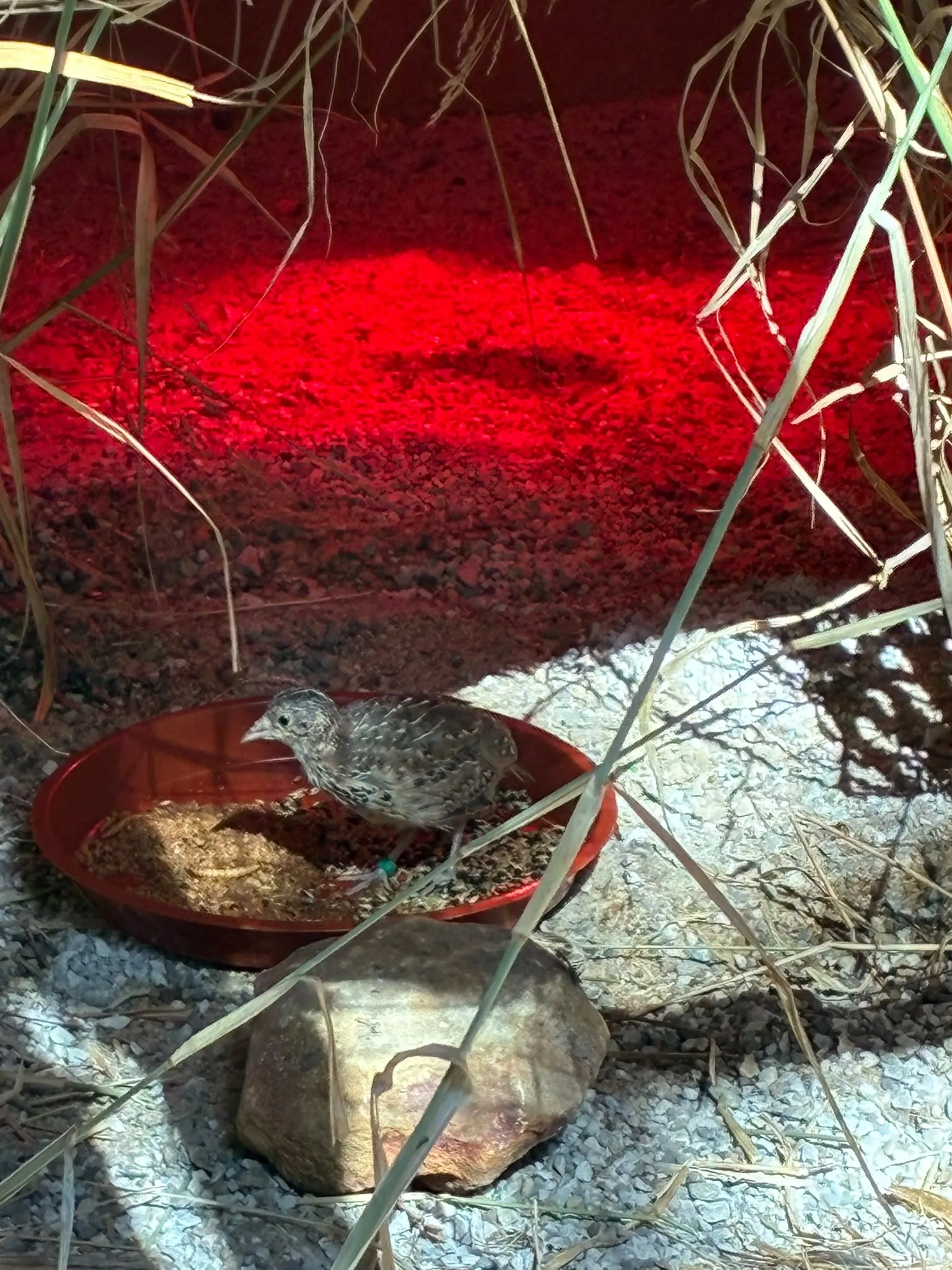

New Efforts to Reintroduce the Andalusian Bustard
The Junta de Andalucía, through its Ministry of Sustainability and Environment, has embarked on an exciting new phase aimed at the future reintroduction of the Andalusian bustard in the autonomous community. This initiative saw the arrival of 18 specimens from Morocco on September 9th, landing at the Port of Algeciras before being transported to the Zoobotanical Biodiversity Conservation Center in Jerez. Here, the _ex situ_ breeding program for this endangered species is set to commence.
This pivotal step is the culmination of a process that began approximately a year and a half ago within the Geodiversity and Biodiversity Service of the Directorate General of Forest Policy and Biodiversity. Since then, the ministry has focused on the technical preparation of the project, fostering the establishment of a dedicated working group, and conducting meetings with relevant organizations and entities. In addition, scientific documentation and viability studies have been produced, alongside bilateral contacts between Spain, Andalusia, and Morocco to lay the groundwork for long-term cooperation.
Before arriving in Andalusia, these specimens underwent a particularly delicate first stage. The locating and rescuing of nests in Morocco allowed for the recovery of eggs, which were incubated successfully. The transfer of these 18 bustards to the Jerez Zoobotanical Center now permits the beginning of captive breeding, an essential tool for establishing a safety population and ensuring the availability of birds for future species recovery efforts in areas where they historically thrived.
Conservation Challenges and Strategies
Looking ahead, at least four additional campaigns in Morocco are planned over the coming years to gather a sufficient breeding group with the highest possible genetic variability. Preventing inbreeding while maintaining a healthy population will be crucial in managing these birds; thus, each specimen will be individually identified and logged with a provenance record. As the breeding nucleus solidifies, the prospects for reintroduction in Andalusia and the strengthening of the Moroccan population will increase significantly.
The Andalusian bustard (_Turnix sylvaticus sylvaticus_) stands as one of the most threatened taxa globally, particularly within the Palearctic region. Its sole confirmed population persists in a coastal enclave of Morocco, closely linked to traditional agriculture and gardens, likely comprising only a few hundred individuals. Recent records indicate a downward trend, placing this population in a highly vulnerable situation.
Historically, this species occupied a much broader territory across the Mediterranean basin but has since disappeared from much of its former distribution. The urbanization of the coastline and the intensification of agriculture during the 19th and 20th centuries have played significant roles in this decline. Therefore, the Moroccan population is pivotal for attempting to restore its range and simultaneously improve conservation prospects in the regions where it still exists in the wild.
The _ex situ_ breeding approach, involving specialized care outside the natural environment, provides a safety net against extinction risks. This strategy follows the successful recovery paths taken for other critically endangered taxa, such as the Iberian lynx in the Iberian Peninsula. Once a stable breeding nucleus is established in Jerez, its descendants could be utilized in future _in situ_ conservation programs, integrating them back into their natural habitats along the Andalusian coast.
Historical records and recent studies on the Moroccan population have enriched our understanding of the Andalusian bustard's biology and activity patterns, aiding in assessing the viability of all project phases—from acquiring specimens from the donor population and breeding them in captivity to eventual reintroduction. The birds maintained at the Jerez Zoobotanical Center will also facilitate physiological, biological, and behavioral studies to better understand the species and the underlying causes of its decline.
Furthermore, a second _ex situ_ conservation nucleus will be established at the Aïn Sebaâ Zoo in Casablanca, with both centers to be managed in a coordinated manner. The studbook for the captive population will be centralized in the Jerez Zoobotanical Center, fostering efficient management and oversight.
The scale of this project necessitates close collaboration among various administrations, scientific institutions, and specialized entities from both Spain and Morocco. Key participants include the Ministry of Sustainability and Environment of the Junta de Andalucía, the Ministry for Ecological Transition and Demographic Challenge, and the Government of Morocco. Additionally, significant roles are played by the International Union for Conservation of Nature (IUCN) and the Zoobotanical Biodiversity Conservation Center in Jerez. A collaborative protocol between the ministry and the City Council of Jerez frames this participation, with the center's staff being actively involved in the initiatives undertaken thus far.
In the scientific realm, the initial phase has seen collaboration with the Migres Foundation, which brings extensive experience in reintroduction projects, alongside the company Rifcon, whose team includes Carlos Gutiérrez, a leading authority on the Andalusian bustard. His research has been instrumental in shaping the project's development, complemented by contributions from Bruc, Texla Renovables, and Statkraft, while environmental consultancy AUSTROS executed activities in Morocco.
The project unfolds in three phases: the first involved forming the working group and preparing the initial viability study, which was subsequently submitted to the Ministry for Ecological Transition and Demographic Challenge. This stage also initiated the genetic study of the species.
The second phase encompassed preparatory meetings with the Moroccan government held at the Casablanca Zoo, alongside fieldwork conducted in Morocco. This included artificial incubation, care and identification of the birds, meeting veterinary requirements, and processing export and import permits. This phase culminated in the transportation of the specimens to Jerez.
The third phase will commence with the completion of genetic studies and new field campaigns in Morocco, while concurrently advancing the _ex situ_ conservation program at the Zoobotanical Biodiversity Conservation Center in Jerez. This facility will feature specific enclosures for maintaining the captive group and initiating reproduction under guidelines that promote genetic diversity. Additionally, the study of areas with the highest potential for future reintroduction of the Andalusian bustard in Andalusia will begin.
Funding for this initiative derives from compensatory measures associated with renewable energy projects in Cádiz and Seville, funneled through Texla Renovables and Statkraft. This model supports both the scientific groundwork and the necessary actions to progress in a project envisioned over the medium and long term, which also benefits from contributions from the Ministry for Ecological Transition and Demographic Challenge and the ministry's own funds.
The recovery of the Andalusian bustard through its reintroduction in Spain and the potential strengthening of the Moroccan population holds significant international relevance, given the delicate starting point of the species and the magnitude of threats that led to its decline. Beyond restoring a lost bird to the Andalusian coastline, the bustard may serve as an emblematic and umbrella species, ensuring that the protection of its habitats also benefits the broader avifauna of the Western Palearctic coastal environment.
As reported by juntadeandalucia.es.