
A Legacy of Musical Innovation
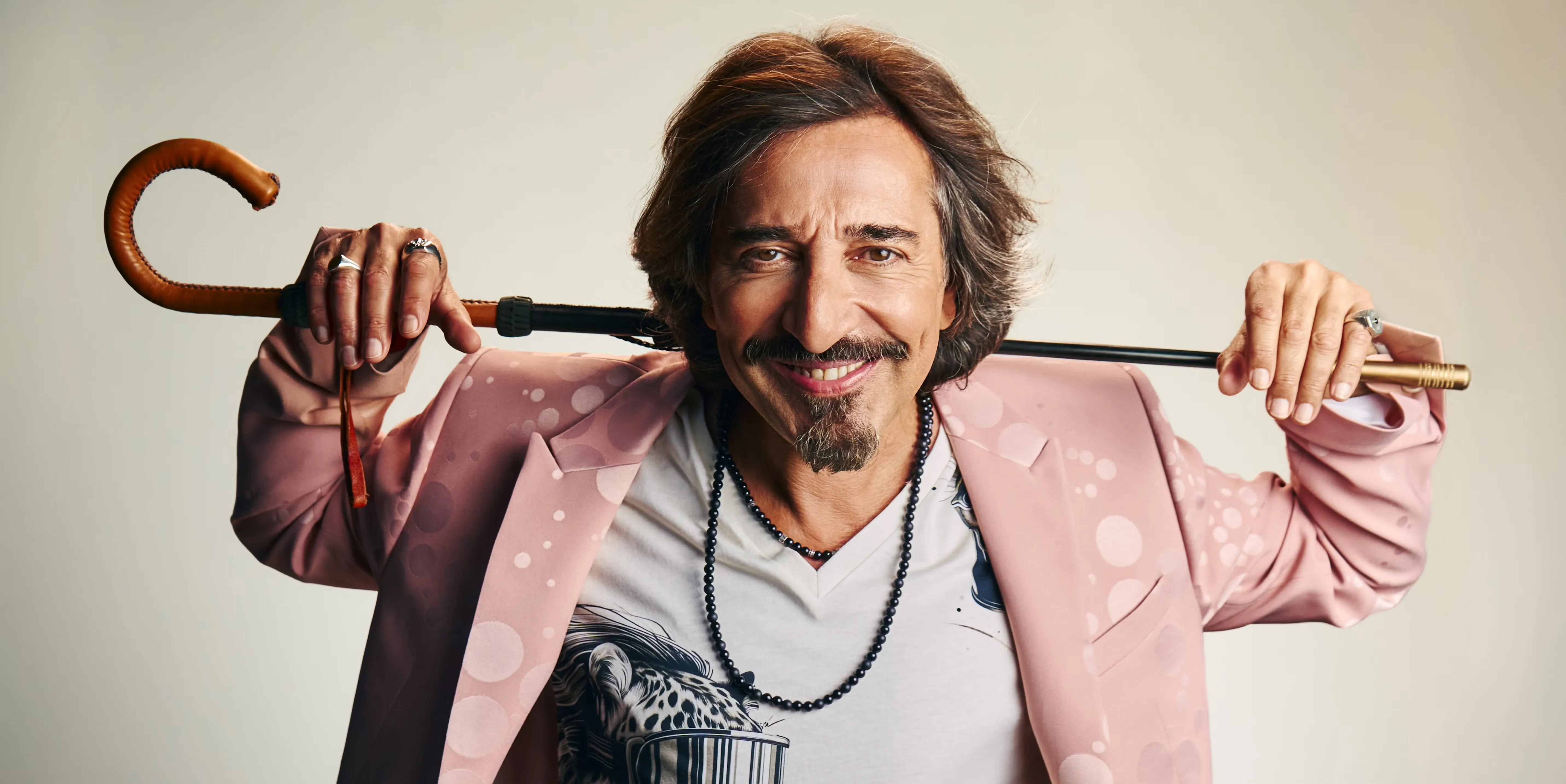
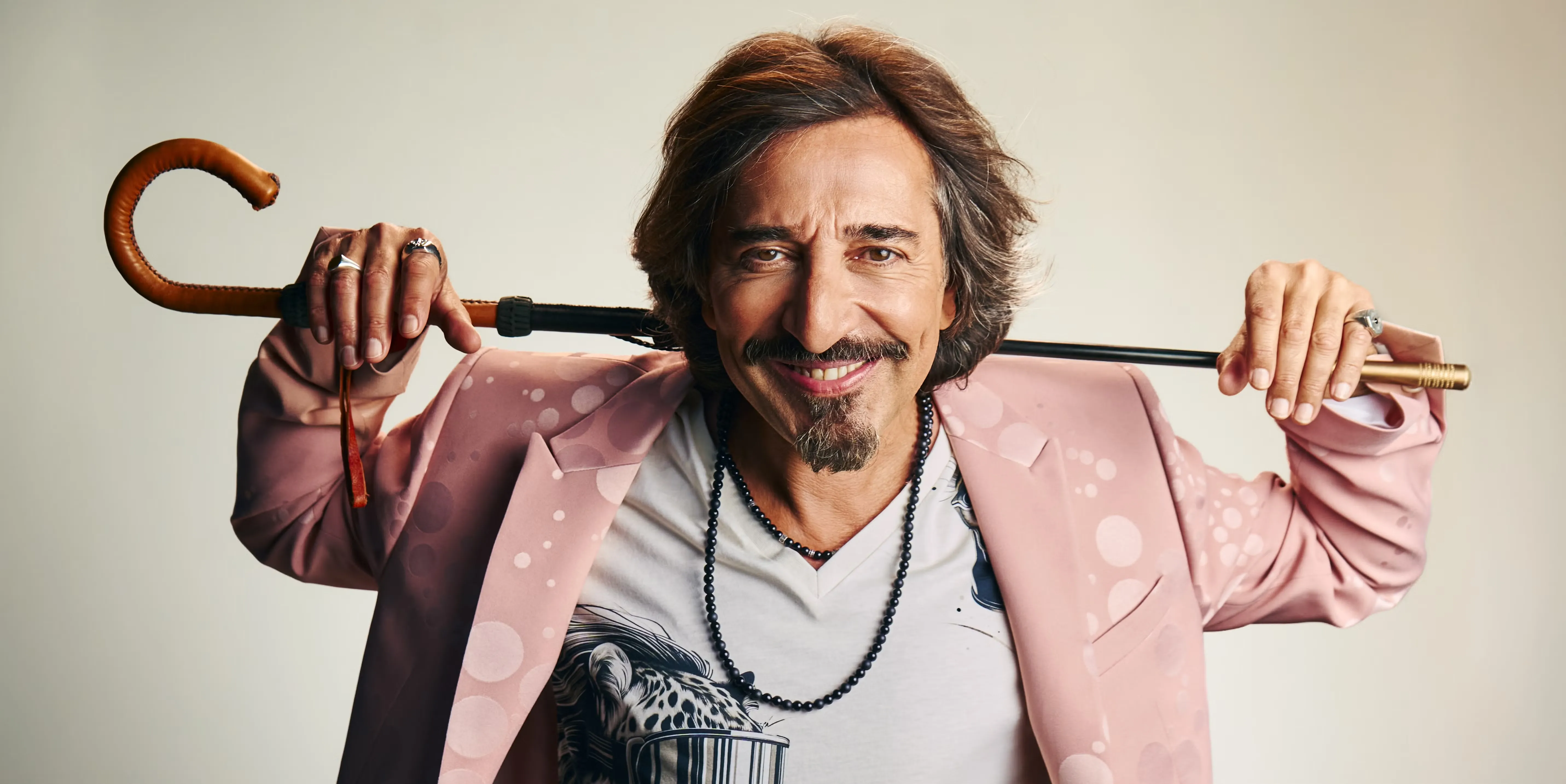
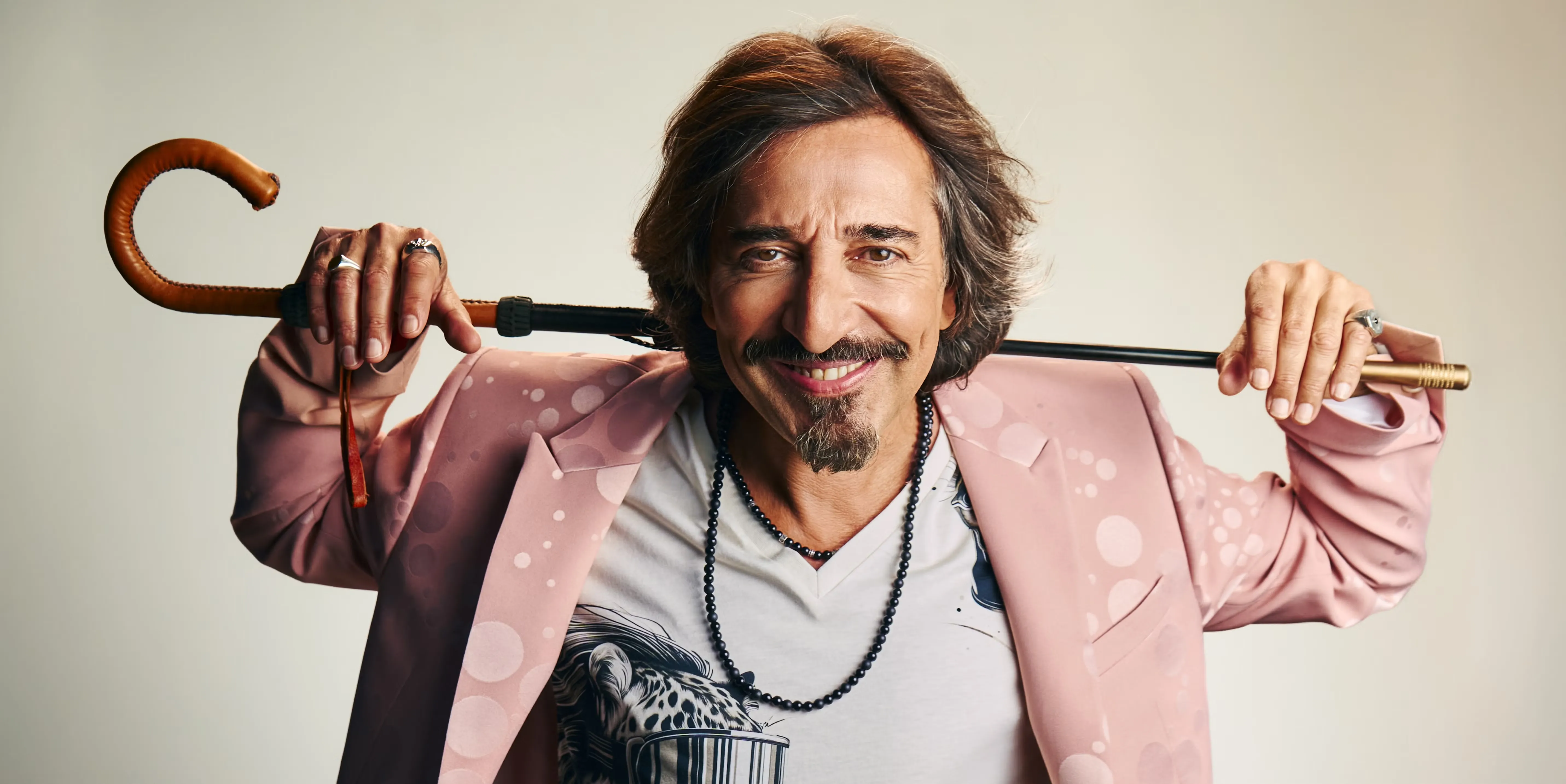
Antonio Carmona, born in Granada in 1965, is a pivotal figure in the realm of flamenco, emerging from the esteemed Los Habichuela dynasty. This lineage, initiated by his grandfather "Habichuela el Viejo," continued through his father and uncles, effectively transporting the essence of flamenco guitar from the caves of Sacromonte to the grandeur of the White House. His recent encounter at the Universal Music store in Madrid, where an exhibition showcases personal photographs, serves as a testament to his rich heritage. These visuals capture moments from his life, including his wedding to Mariola Orellana in Gibraltar and cherished family snapshots, all reflecting the musical odyssey that has defined his existence. As he embraces his sixties, Carmona remains a restless innovator, as demonstrated by his latest album, _Baro Drom_, which features an eclectic mix of genres—from traditional flamenco tangos played with his uncle Pepe Habichuela to jazz-infused tracks and even a rap collaboration with the French duo Bigflo & Oli.
Breaking Boundaries with _Baro Drom_
In a conversation about his new album, Carmona expresses pride in his creativity and the courage it took to venture into new musical territories. "I approached this album as an act of bravery toward myself," he states. Each track is a reflection of his varied influences, showcasing a blend that some may find surprising. He emphasizes the importance of authentic expression, welcoming those who resonate with his work while remaining unbothered by those who do not. The collaborative spirit is evident, especially with the Bigflo & Oli feature, which he discovered through social media. Their shared Latin heritage and Carmona's long-standing admiration for French rap paved the way for this unique partnership. "The urban music scene has taken off in Spain, and it's exciting to be part of this vibrant cultural moment," he notes.
While discussing the current status of flamenco, Carmona identifies a pressing need for greater recognition and preservation of this cultural treasure. He envisions a "house of flamenco" that honors iconic figures and artifacts from the genre, akin to the reverence shown to other musical traditions worldwide. He believes that establishing a living museum could foster a deeper appreciation for flamenco's rich history and its influential artists, drawing parallels to jazz greats whose legacies are celebrated globally. Despite the challenges, he remains optimistic about the future of flamenco, particularly with emerging artists like the Morente family who are dedicated to its authentic roots.
Reflecting on his upbringing in a family steeped in musical legacy, Carmona shares fond memories of his childhood, marked by camaraderie and creativity. Despite facing personal challenges, he found solace and expression through music, which has been a constant in his life. His journey, filled with both triumphs and trials, is encapsulated in his work, where he aims to bridge cultural divides and promote understanding through the power of music. As Spain welcomes diverse influences from around the globe, Carmona embraces this multicultural landscape, illustrating the enriching potential of shared artistic experiences.
As reported by esquire.com.