
Concerns Over MINURSO's Viability in Absence of Ceasefire
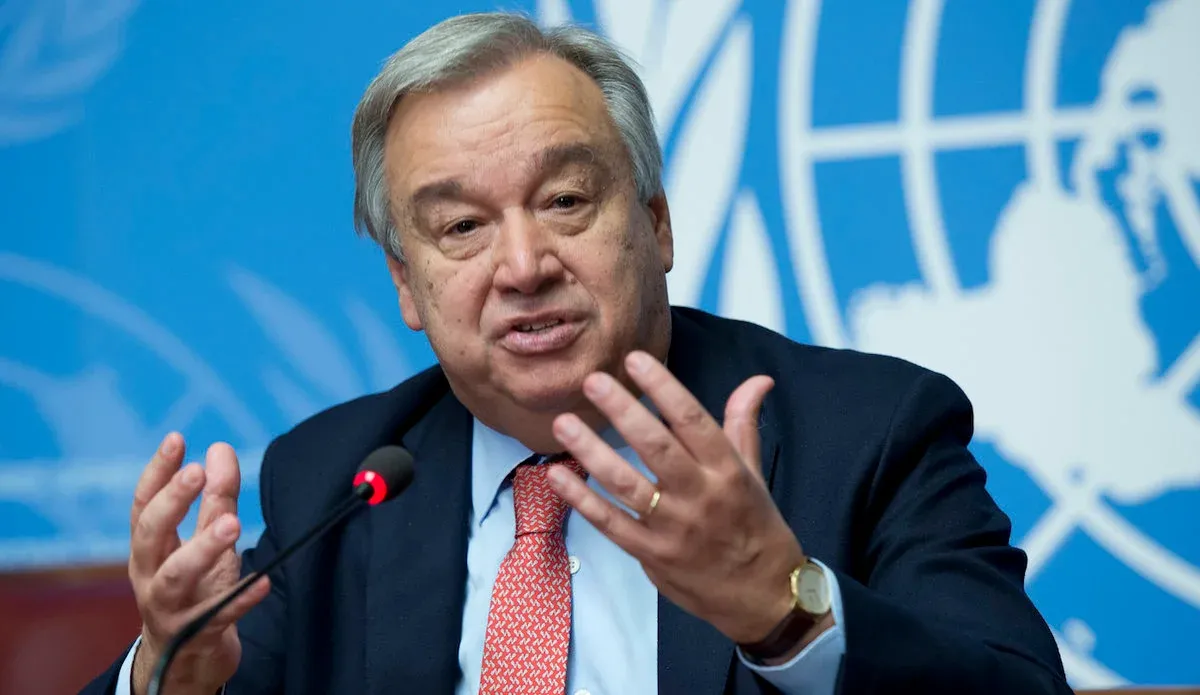
As the Security Council prepares to review the mandate of the United Nations Mission for the Referendum in Western Sahara (MINURSO) this coming October, UN Secretary-General António Guterres has articulated a critical stance on the future of peacekeeping operations in the region. In a report reviewed by Yabiladi, Guterres emphasizes that peacekeeping missions should only be deployed in the presence of a solid ceasefire or peace agreement, stating, "We cannot maintain peace when there is no peace to uphold." This assertion directly undermines the claims made by the Polisario Front and aligns with Morocco's calls for more realistic and adaptable UN mandates.
Guterres Advocates for Conflict Prevention and Adaptable Mandates
Since its deployment in 1991, MINURSO has struggled with maintaining peace, particularly following the cessation of the ceasefire between Morocco and the Polisario Front on November 13, 2020, when the latter resumed armed conflict. Guterres advocates for a shift in focus towards conflict prevention, mediation, and peaceful resolution of disputes, alongside enhancing the Secretary-General's good offices and the roles of UN regional offices. He suggests that mandates should prioritize areas where peace operations can have a significant impact, especially in political and security matters, and if necessary, include civilian protection. Moreover, Guterres believes that these mandates should be flexible and responsive to changes on the ground, incorporating regular assessments and pre-planned transition strategies.
In alignment with the United States' position, Guterres argues for more agile peacekeeping operations equipped with advanced technological capabilities and strategic planning, especially in light of budget reductions and personnel deployment constraints. In April, the Security Council deliberated on the proposed revision of MINURSO's mandate, in accordance with Resolution 2797, set to be discussed again in October. The Secretary-General reiterates that successful peacekeeping operations are fundamentally political instruments, reliant on mandates that are attuned to the realities on the ground and backed by the commitment of stakeholders and support from the Security Council and member states.
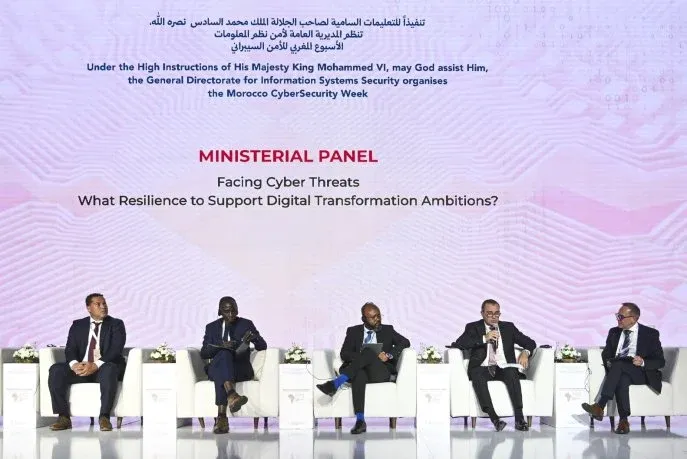
These recommendations, however, do not sit well with the Polisario Front, which opposes the strategic revision of MINURSO's mandate. Bachir Mustapha Sayed, the Polisario's "parliament president," has already warned that any alterations to MINURSO's powers would only escalate tensions and instability in the region. Conversely, Guterres' proposals resonate with Morocco's vision for the future of peacekeeping operations. During the second ministerial conference on peacekeeping in francophone environments held in Rabat in May, Foreign Minister Nasser Bourita asserted that peacekeeping operations should be based on "realistic, achievable, and clearly prioritized" mandates, supported by defined political strategies that undergo regular evaluations. Bourita emphasized the necessity of pursuing modest yet attainable goals rather than maintaining unrealistic promises, a sentiment echoed by U.S. perspectives. Historically, the Security Council has ended the mandates of peacekeeping missions, exemplified by the termination of the United Nations Interim Force in Lebanon (UNIFIL), which had been active since 1978. MINURSO may face a similar fate.
As reported by yabiladi.com.