
Antonio Maio's Strong Criticism of Morocco
Antonio Maio, the federal coordinator of Spain's United Left party, has issued a pointed critique of Morocco, asserting that the recent crisis in Ceuta has unveiled a troubling level of dysfunction in the relationship between Rabat and Madrid. He contended that Morocco's policy is characterized by pressure tactics and the exploitation of crises. In an interview with Europa Press, Maio highlighted that the influx of around 70,000 individuals into Ceuta would not have occurred without the tacit approval of the Moroccan state. He raised significant questions regarding how such a large-scale movement could transpire without the Moroccan authorities being aware of it.
A Humanitarian Tragedy and Calls for Accountability
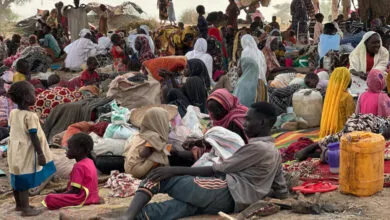
Going further, the Spanish leader suggested that Moroccan intelligence agencies may not have been fully cooperative with their Spanish counterparts, failing to notify them of the mass movement. This raises serious concerns about the nature of security cooperation between the two nations. Maio described the events in Ceuta as a "humanitarian tragedy of enormous dimensions," criticizing the lack of an official mourning period for the victims and accusing Morocco of "disregarding the lives of its people." He drew a connection between poverty and the perilous choices individuals are forced to make, arguing that dire social and economic conditions push thousands into dangerous journeys instead of providing them with opportunities for dignified living within their own country.
Maio's criticisms extend beyond Morocco's handling of its relations with Spain; they encompass what he perceives as the Moroccan authorities' neglect of their own citizens, especially amid ongoing social and economic crises.
On the issue of Western Sahara, Maio characterized Spain's shift towards Morocco's autonomy proposal as a "mistake," noting that the concessions made by Madrid have failed to resolve disputes with Rabat. He argued that Morocco interprets Spain's policy of "appeasement" as a sign of weakness. This perspective necessitates a reassessment of the nature of relations with Morocco, grounded in respect for human rights, international law, and good neighborliness.
In light of these developments, Maio called for a reevaluation of Spain's relations with Morocco, asserting that good neighborliness should not equate to submitting to blackmail or making concessions under duress. He advocated for a "strategic shift" in relations with Rabat and suggested convening the Spanish National Security Council. Maio posited that the Ceuta crisis warranted a more stringent political and security response.
In a notable escalation, he demanded the exclusion of Morocco from hosting the 2030 World Cup and urged discussions within the Spanish Parliament regarding Morocco's suitability to organize such an international event. Maio emphasized that respect for human rights should be a fundamental criterion in awarding countries such prestigious responsibilities. His statements place Morocco at the center of a new political storm, as he contends that the Ceuta crisis was not merely a migration issue but revealed a deeper crisis in Morocco's conduct and its relations with Spain and Europe, encompassing migration, Western Sahara, human rights, and security cooperation.
As reported by al24news.dz.