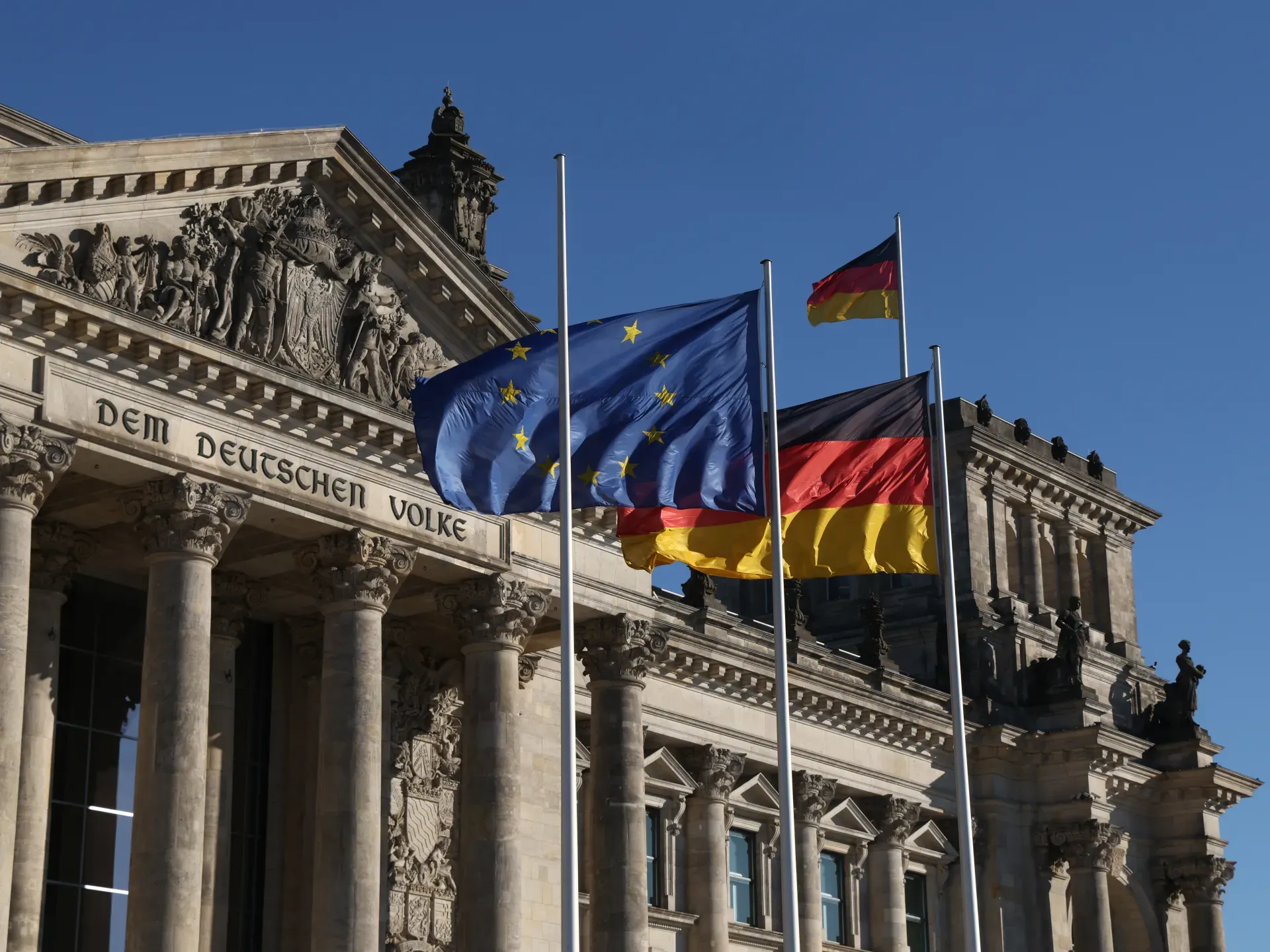

The perception of Germany, a pivotal player in the European Union, among Arab populations is the subject of extensive research conducted by the Konrad Adenauer Foundation. This study, carried out between May and July in countries like Morocco, Tunisia, Egypt, the Palestinian territories, Jordan, Syria, and Lebanon, seeks to unravel the complexities of how Arabs view international powers, their stance on Israel and Iran, and what issues are most pressing for them today—whether it be security, politics, or economic stability.
According to the findings of this comprehensive survey, the Middle East and North Africa are currently undergoing significant transformations, leaving the residents of these regions with unclear perceptions about the future of regional systems and alliances, both among themselves and with global powers. While there is a generally favorable view of the European Union, respondents often downplay the influence of its member states in the region. Interestingly, support for China is notably high, reaching 86% in Jordan and 81% in Tunisia. In stark contrast, perceptions of Russia vary widely, as do views of the United States and Germany.
Germany: A Positive Image but Limited Influence
The study's findings regarding Germany's reputation in the Arab world were somewhat unexpected. It reveals that the perception of Germany varies significantly from one Arab nation to another. For instance, Germany enjoys a favorable reputation in Syria (73%), Tunisia (70%), and Morocco (68%), while this approval drops to 52% in Egypt, 44% in Lebanon, and a mere 38% in the Palestinian territories. Notably, Syria stands out as the only country where respondents regard Federal Chancellor Friedrich Merz as the European leader with the most favorable policies towards the Arab world, yet this view is held by only 13% in Jordan, 12% in Tunisia, and just 5% in Egypt.
Additionally, a relative majority in Egypt (21%), Jordan (35%), Syria (25%), Tunisia (34%), and Morocco (24%) believe that economic interests primarily drive Germany's policies toward the Arab world. Conversely, a significant percentage of Palestinians (22% in the West Bank and 15% in Gaza) assert that the main motivator is political, particularly the close relationship with Israel. Unlike the predominantly negative perceptions of the United States and Russia in the region, regional powers such as Saudi Arabia, Qatar, and Turkey are viewed more favorably across most countries surveyed.
Israel: The Greatest Threat
The study also highlights a clear stance on Israel's role in regional security. In most countries surveyed, respondents identified Israel as the greatest threat to the security of the Middle East and North Africa. The survey did not directly ask about positive or negative sentiments towards Israel but instead asked participants to identify the nation they viewed as the biggest threat. Israel was mentioned most frequently across all countries, with 67% in Lebanon, 62% in Jordan, 57% in Syria, 45% in Tunisia, and 23% in Morocco. Furthermore, regarding the Abraham Accords, the study reveals a disconnect between the normalization efforts of certain Arab governments and the prevailing public opinion, which shows a lack of popular support for these agreements in the surveyed Arab nations, with Lebanon being an exception at 41%.
Meanwhile, the general sentiment towards Iran is marked by skepticism, as it receives a positive image from only a minority of respondents, particularly outside Tunisia. Although Iran is not regarded as the primary enemy of the region, its perception remains critical. The study further indicates stark contrasts in the perceptions of the three major global powers: China, the United States, and Russia. China holds a relatively favorable image, boasting high approval ratings of 86% in Jordan and 81% in Tunisia. In comparison, the United States shows varying levels of approval, with positive perceptions at 64% in Morocco, 60% in Syria, and 51% in Jordan, while dropping below 50% in other surveyed countries. Conversely, Russia's image is mixed, with positive ratings ranging from 61% in Morocco to only 29% in Syria.
Ultimately, this study illustrates that the persistent fears of instability and conflicts in the region have influenced domestic policies, leading to increased trust in state institutions. It also highlights that the ongoing repercussions of the conflict with Iran have placed internal security at the forefront of concerns for Arab societies.
As reported by aljazeera.net.