
Arab Officials Make History at the World Cup
The FIFA World Cup 2026, a groundbreaking tournament set to unfold across North America, has made waves not only for its unprecedented expansion to 48 participating teams but also for the significant representation of Arab match officials in officiating roles. This remarkable event, which will take place from June 11 to July 19, 2026, spans 16 cities in Canada, Mexico, and the United States, marking the first occasion that the prestigious competition is jointly hosted by three nations. The final match is slated to occur in the vibrant New York/New Jersey area, promising an exhilarating conclusion to this historic tournament.
FIFA has confirmed the appointment of a total of 52 referees, 88 assistant referees, and 30 video assistant referees (VAR) for the event, representing 50 countries. Among these esteemed officials, 23 appointments are held by Arab referees, assistant referees, and VARs, showcasing the growing influence and presence of Arab nations in the global football arena. This group includes nine referees, nine assistant referees, and five VAR officials, hailing from countries such as Egypt, Algeria, Morocco, Mauritania, Somalia, Saudi Arabia, the United Arab Emirates, Qatar, and Jordan.
Notable Arab Referees and Their Journeys
Among the distinguished referees, Moroccan official Jalal Jayed is making his World Cup debut, becoming the first Moroccan central referee to officiate in the tournament since 2002. Having been recognized as a FIFA-listed referee since 2019, Jayed boasts an impressive resume that includes officiating in Morocco’s domestic league as well as significant tournaments like the Africa Cup of Nations and FIFA youth competitions. His journey reflects the increasing opportunities for referees from diverse backgrounds to showcase their skills on the world stage.
Another notable figure is Mauritania’s Dahane Beida, who has served as a FIFA referee since 2018. Beida brings valuable experience to the tournament, having officiated at various prestigious events, including the Africa Cup of Nations and Olympic football tournaments. The delegation of Arab referees also features other skilled officials like Algeria’s Mustapha Ghorbal, Jordan’s Adham Makhadmeh, Qatar’s Abdulrahman Al-Jassim, Saudi Arabia’s Khalid Al-Turais, Egypt’s Amin Mohamed Omar, and the United Arab Emirates’ Omar Al Ali, all of whom are prepared to exemplify the highest standards of officiating.
Additionally, the officiating team from Jordan includes assistant referees Ahmad Al-Roalle and Mohammad Al-Kalaf, while the roster of assistant referees at the tournament also features talents from various nations such as Egypt, Morocco, Algeria, Saudi Arabia, Qatar, and the UAE. Notably, the video assistant referee duties are assigned to Egypt’s Mahmoud Mohamed Ashour, Morocco’s Hamza El-Fariq, and Saudi Arabia’s Abdullah Al-Shehri, ensuring that the match officiating is supported by advanced technology and expertise.
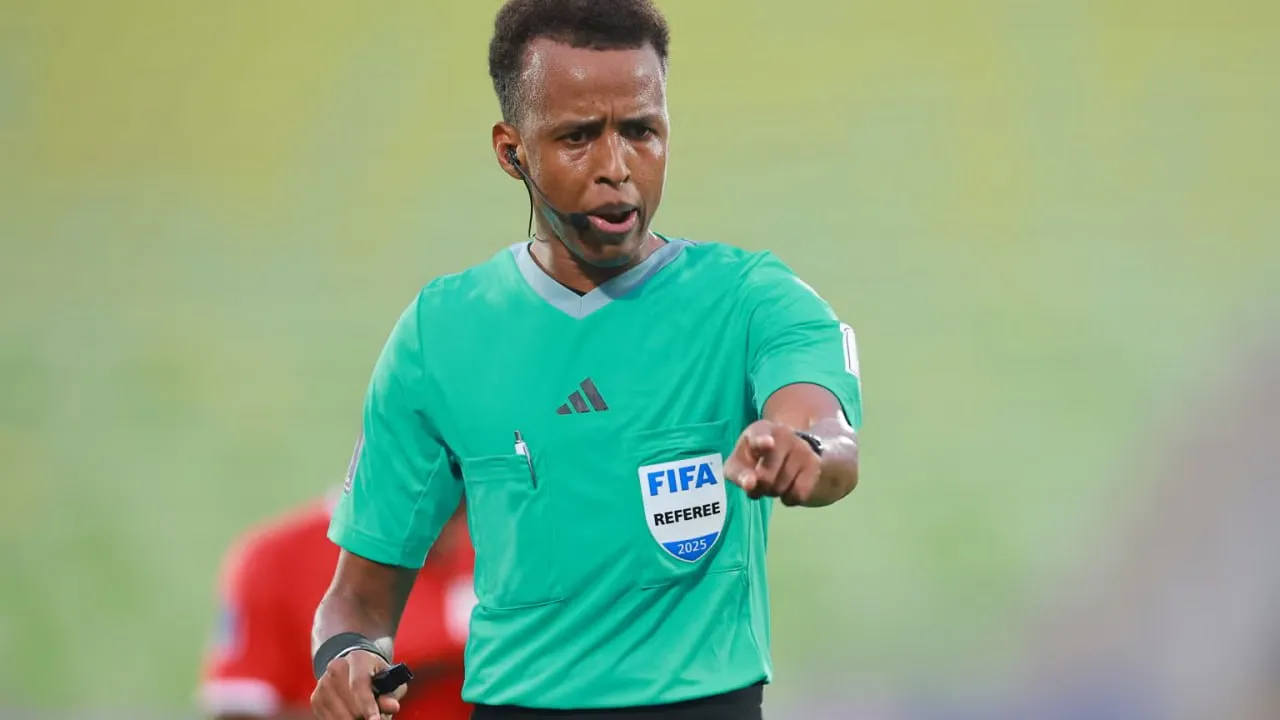
However, the tournament has not been without its challenges, as Somali referee Omar Abdulkadir Artan was withdrawn from the officiating lineup due to issues with U.S. immigration, despite having a valid visa. After being denied entry following a prolonged interview, he returned to Somalia, where he was welcomed by officials and supporters. This incident underscores the complexities faced by international officials in the lead-up to such a significant global event.
The 2026 World Cup represents a monumental leap in FIFA's history, being the first to feature 48 teams. This expansion not only amplifies the competitive spirit of the tournament but also enhances its global appeal, promising an exhilarating experience for fans and players alike.
As reported by sana.sy.