
Exploring the Cultural Divide Between Moroccans and Sub-Saharan Africans
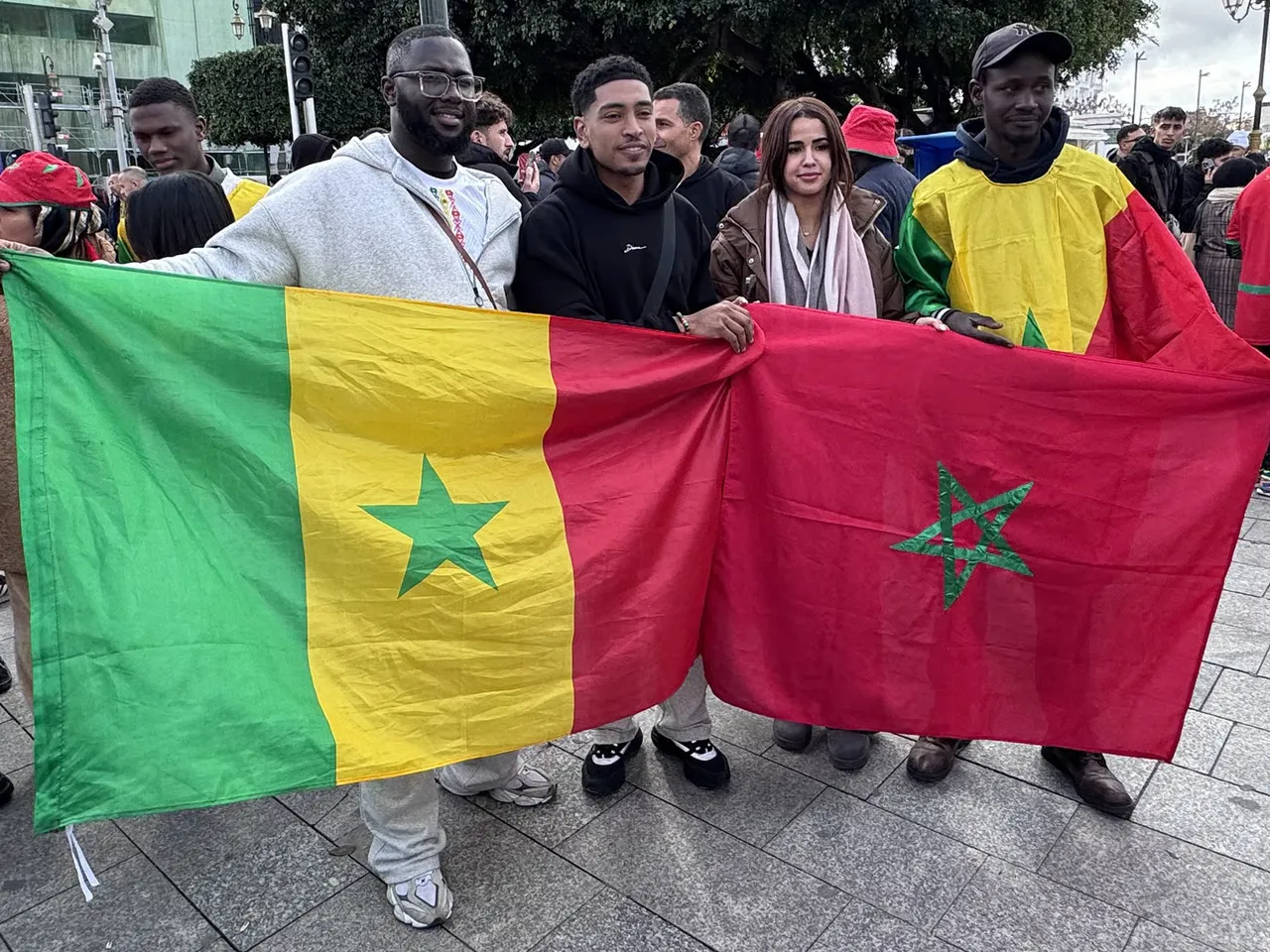
The recent final of the Africa Cup of Nations (CAN) 2025 has highlighted a significant cultural divide that still exists between Moroccans and their fellow Africans from sub-Saharan countries. While Morocco's diplomatic and economic engagement with Africa has been undeniably successful, it remains a top-down initiative that has not yet permeated the mindset of people on both sides of the Sahara. The vibrant atmosphere surrounding the final, featuring Moroccan and Senegalese supporters, underscored this paradox, revealing a country that is politically active in Africa yet culturally detached from its southern neighbors.
Over the past decade, Morocco has established itself as a crucial political, economic, and cultural player on the African continent. However, the events surrounding the CAN final exposed the contradictions of an assertive and recognized foreign policy that fails to resonate with a societal perception of African identity. When Moroccans refer to Africans, it often excludes themselves and their compatriots, focusing instead on those whose origins lie south of the Sahara. This sentiment is reciprocated in many ways, as evidenced by the reactions and discussions that followed various incidents during the tournament.
This disconnect raises essential questions about national identity and the broader concept of African unity. Despite Morocco's active role in African affairs, there is a lingering perception that Moroccans view themselves as distinct from other Africans, which complicates the narrative of a united continent. The need for a deeper integration of African identity within the Moroccan societal framework is evident, suggesting that the kingdom must pursue not only economic partnerships but also cultural connections that foster a sense of belonging among all Africans.
Bridging the Gap for a Unified African Identity
As Morocco continues to navigate its role on the African stage, it becomes increasingly important for the nation to reconcile its historical and cultural ties with the rest of the continent. This reconciliation involves addressing the stereotypes and biases that persist within Moroccan society, encouraging a more inclusive narrative that recognizes the shared heritage and experiences of all African nations. The task at hand is significant, as it requires a concerted effort from both government and civil society to promote a more profound understanding of what it means to be African.
In conclusion, while Morocco's achievements on the African continent are commendable, the journey towards true integration into the African identity is still ongoing. The cultural divide that separates Moroccans from their sub-Saharan counterparts must be bridged through education, dialogue, and mutual respect. Only then can Morocco fully embrace its role as a proud African nation, participating in the collective progress and unity of the continent.
As reported by jeuneafrique.com.