
New Testing Opportunities for Defense Companies
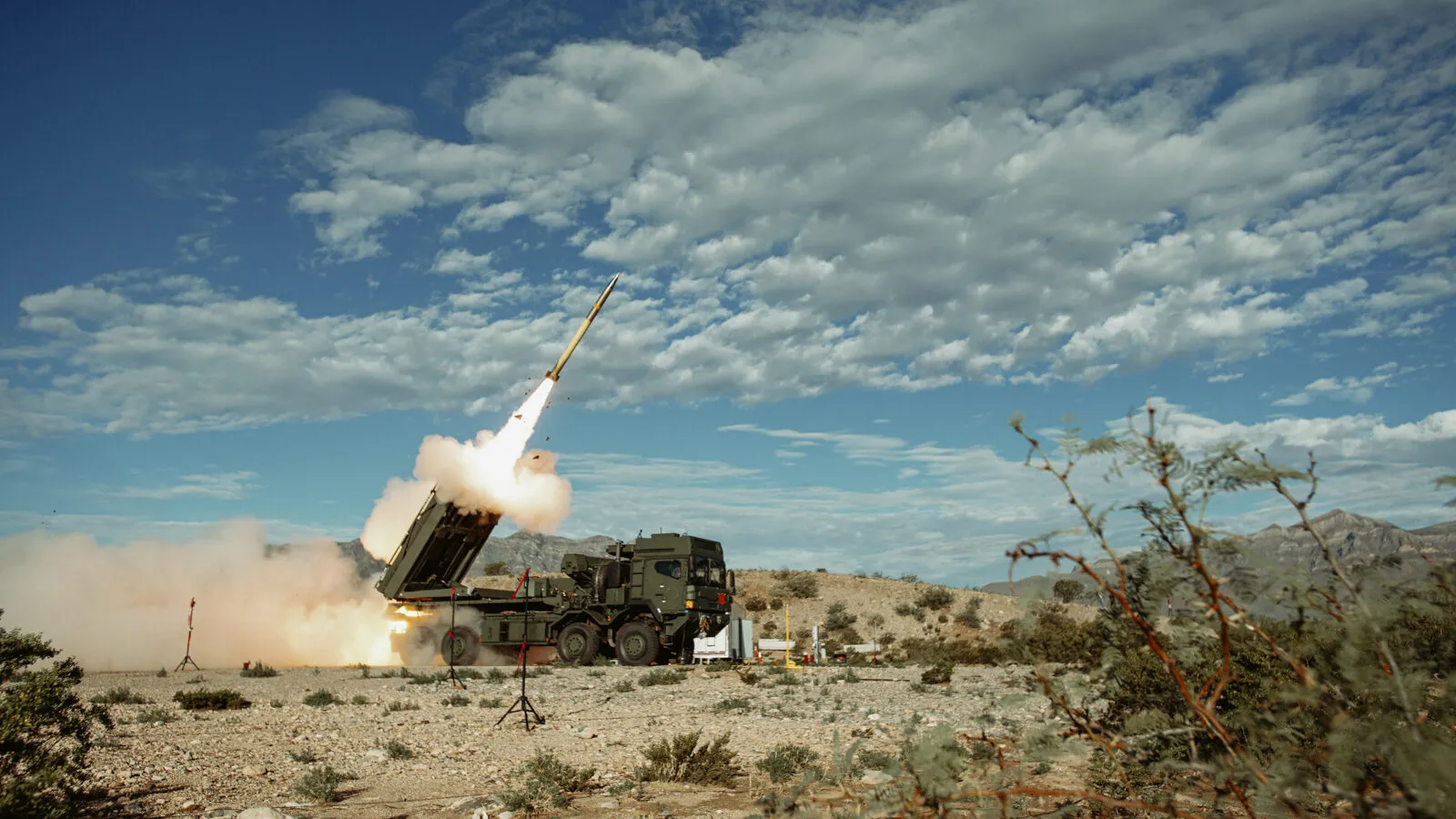
In a significant move to accelerate the acquisition process for defense innovations, the U.S. Army has opened four domestic testing ranges alongside an international facility. This initiative allows private defense companies, particularly smaller and nontraditional vendors, to test their self-funded interceptor missiles without the prolonged wait times that have historically hindered development. Secretary of the Army Dan Driscoll emphasized the urgency of this initiative, noting that many companies currently experience delays of up to 18 months when seeking permission to access testing ranges like White Sands Missile Range in New Mexico. Driscoll remarked, “That is not sufficient,” and pointed to the exceptional innovation demonstrated by Ukraine as a benchmark for rapid development in the defense sector.
To facilitate quicker access, the Army has launched a newly designed website intended to streamline the request process, allowing companies to gain entry to testing sites within 30 days of their application. The initiative is expected to encourage firms to invest their Internal Research and Development (IRAD) funds into their missile systems, thus fostering a more dynamic and responsive defense industry.
Expanding Testing Locations and Collaborations
Maj. Gen. Patrick Gaydon, who oversees the Army Test and Evaluation Command, identified the four domestic ranges now available for IRAD testing as Camp Grayling in Michigan, Camp Shelby in Mississippi, Dugway Proving Ground in Utah, and a section of Yuma Proving Ground in Arizona. The latter location is being utilized for IRAD funding on a small scale, but the recent announcement marks a significant expansion of its capabilities. Additionally, the Army has opened the Multidomain Training Area in Morocco as an international testing site, where companies like Covenant Industries have already begun testing their missile systems. Covenant's executive, Abby Denburg, shared insights on their progress, stating that they are on track to deliver production-ready assets by early 2027, ensuring that their Anthem missile is ready for operational use.
This collaboration with Morocco is part of a broader strategy to enhance the U.S. military’s testing capabilities globally, as outlined in a recent memorandum of understanding between U.S. Africa Command and the Moroccan Royal Armed Forces. Driscoll has expressed hopes of establishing partnerships with allied nations to further expand access to additional testing ranges, which would not only benefit American companies but also enhance the defense capabilities of allied nations.
Driscoll clarified that while the Army encourages innovation, they expect companies to invest their own resources into the development process without government subsidies for travel or lodging. This initiative aims to weed out companies that are not yet prepared for testing, focusing instead on those ready to meet the current demand for advanced defense systems. The aim is to create an environment that fosters rapid development and testing of new technologies, akin to an 'escape velocity' that can spur significant advancements in the defense sector.
As reported by breakingdefense.com.