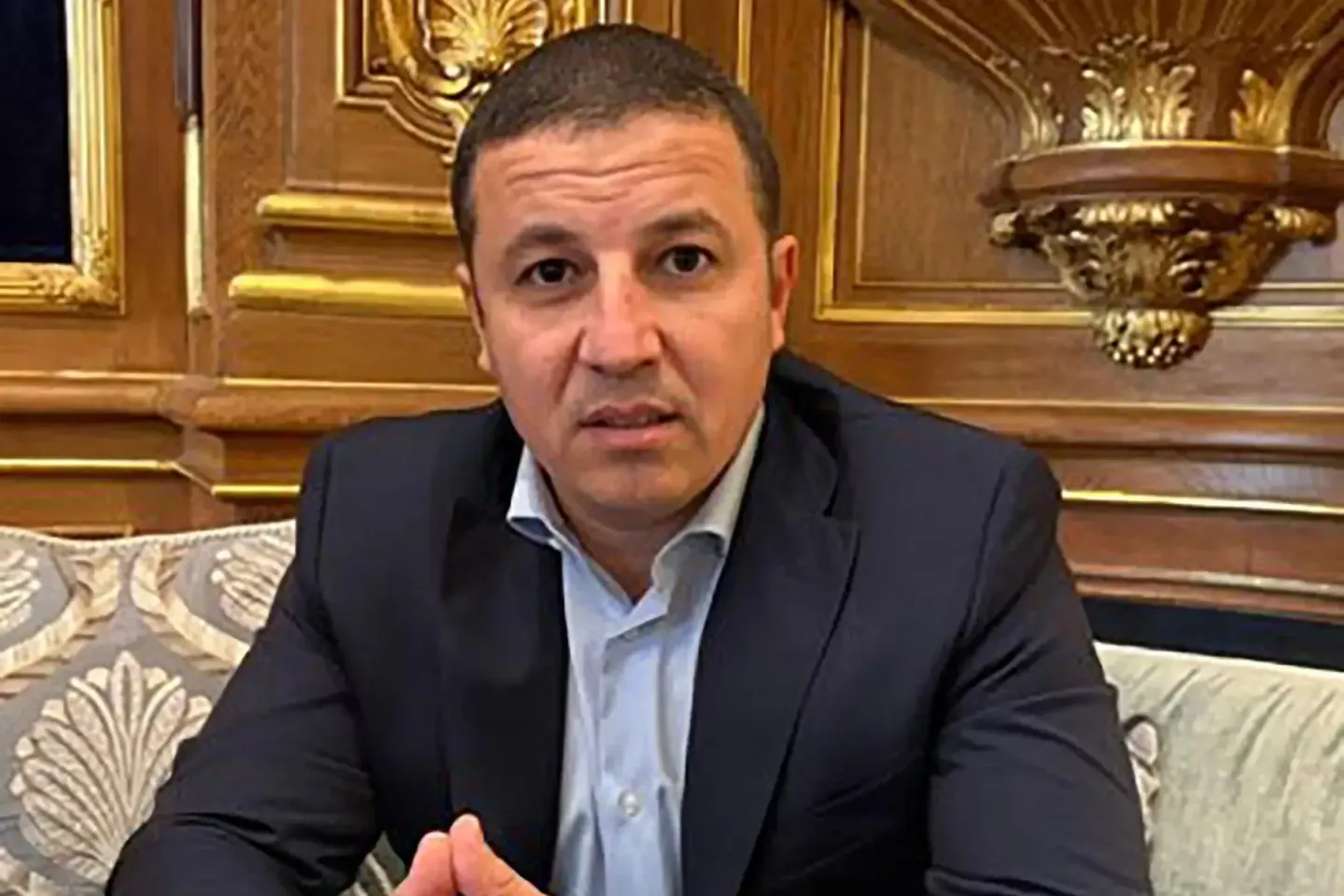

The Controversial Release of Ayoub Aïssiou by Spanish Authorities
Ayoub Aïssiou, a businessman sought by Algeria and convicted in various financial crimes, has recently been provisionally released by the Spanish judiciary, a decision that is poised to ignite further diplomatic tensions between Algiers and Madrid. His arrest in Spain occurred in July, following an extradition request from Algeria. However, on September 4, the Spanish prosecution unexpectedly altered its stance, leading to Aïssiou's release. Initially, the prosecution advocated for his continued detention based on the severity of his charges; yet, after a few weeks, it shifted its position, asserting that the reasons for detaining him were no longer valid. Consequently, Spain’s National Court concluded that maintaining custody without the option of bail was disproportionate, and there was insufficient evidence to substantiate any risk of him fleeing. Despite his release, Aïssiou is still subject to various restrictions, including a ban on leaving Spain, the confiscation of his passport, and an obligation to report to the court biweekly.
Links to a Narcotrafficking Network and Moroccan Intelligence
The circumstances surrounding Aïssiou's case have evolved beyond the financial matters that led to his convictions in Algeria. A report by the Spanish newspaper _El Debate_ has brought to light a complaint that implicates Aïssiou in a broader narcotrafficking operation, allegedly facilitating the movement of drugs from Brazil and Guinea-Bissau into Europe and North Africa via Morocco, Algeciras, the Canary Islands, Ceuta, and Melilla. The complaint identifies Aïssiou alongside members of the Moroccan intelligence services and Rúben Oliveira, known as “Xuxas,” a prominent Portuguese narcotrafficker recognized for his logistical prowess in transporting cocaine into Europe. The connections drawn between Aïssiou and Moroccan intelligence are particularly alarming, especially as Spain grapples with the challenges of porous maritime and land routes that link West Africa to its own territories. The prosecution's reversal of stance in light of these serious allegations raises critical questions about the motivations behind the decision to release Aïssiou from custody.
The judicial scrutiny surrounding Aïssiou is compounded by his troubling legal history in Algeria, where he has been convicted in absentia for serious offenses, including embezzlement and money laundering, accumulating a staggering total of 55 years in prison across three separate convictions. The Algerian courts have not only handed down substantial prison sentences but also fined him millions and mandated the seizure of assets tied to his illicit activities. Aïssiou’s financial dealings are under examination, especially concerning loans allegedly misappropriated to fund a steel project, with subsequent transfers of funds traced to foreign accounts in Spain and France.
The recent developments concerning Aïssiou's release generate an urgent need for transparency and accountability. Spanish authorities have yet to address the core of Algeria’s extradition request, leaving the outcome in limbo. The prosecution's decision to release Aïssiou, a businessman with a substantial criminal record and now implicated in narcotrafficking, raises pressing questions about what new evidence may have emerged to justify such a controversial move. The implications of this case extend well beyond individual legal proceedings, potentially affecting international relations and the ongoing battle against organized crime.
As reported by dzair-tube.dz.