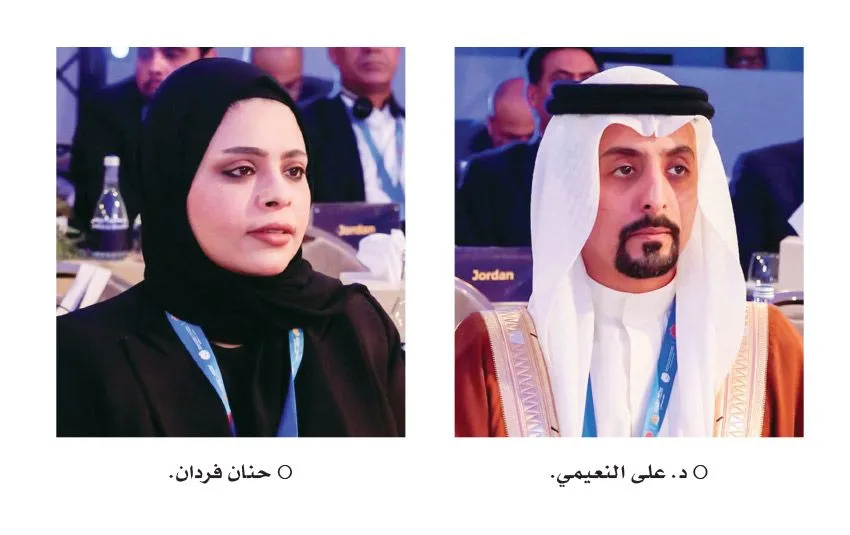

The esteemed member of the Bahraini Parliament, Dr. Ali Majid Al-Nuaimi, emphasized the critical role that digital transformation and artificial intelligence (AI) play in Bahrain's developmental trajectory. This initiative is firmly rooted in the reform project spearheaded by His Majesty King Hamad bin Isa Al Khalifa, with direct support from His Royal Highness Salman bin Hamad Al Khalifa, Crown Prince and Prime Minister. The orientation towards digital innovation has manifested in high-quality policies and investments that have solidified Bahrain's status as a leading hub for digital innovation. This is achieved through the development of modern digital infrastructure, the expansion of smart government services, and the enhancement of an innovation and knowledge-based entrepreneurial ecosystem. Furthermore, Bahrain aims to create a supportive legislative and investment environment for advanced technologies and AI, thus boosting the competitiveness of the national economy and keeping pace with rapid global transformations.
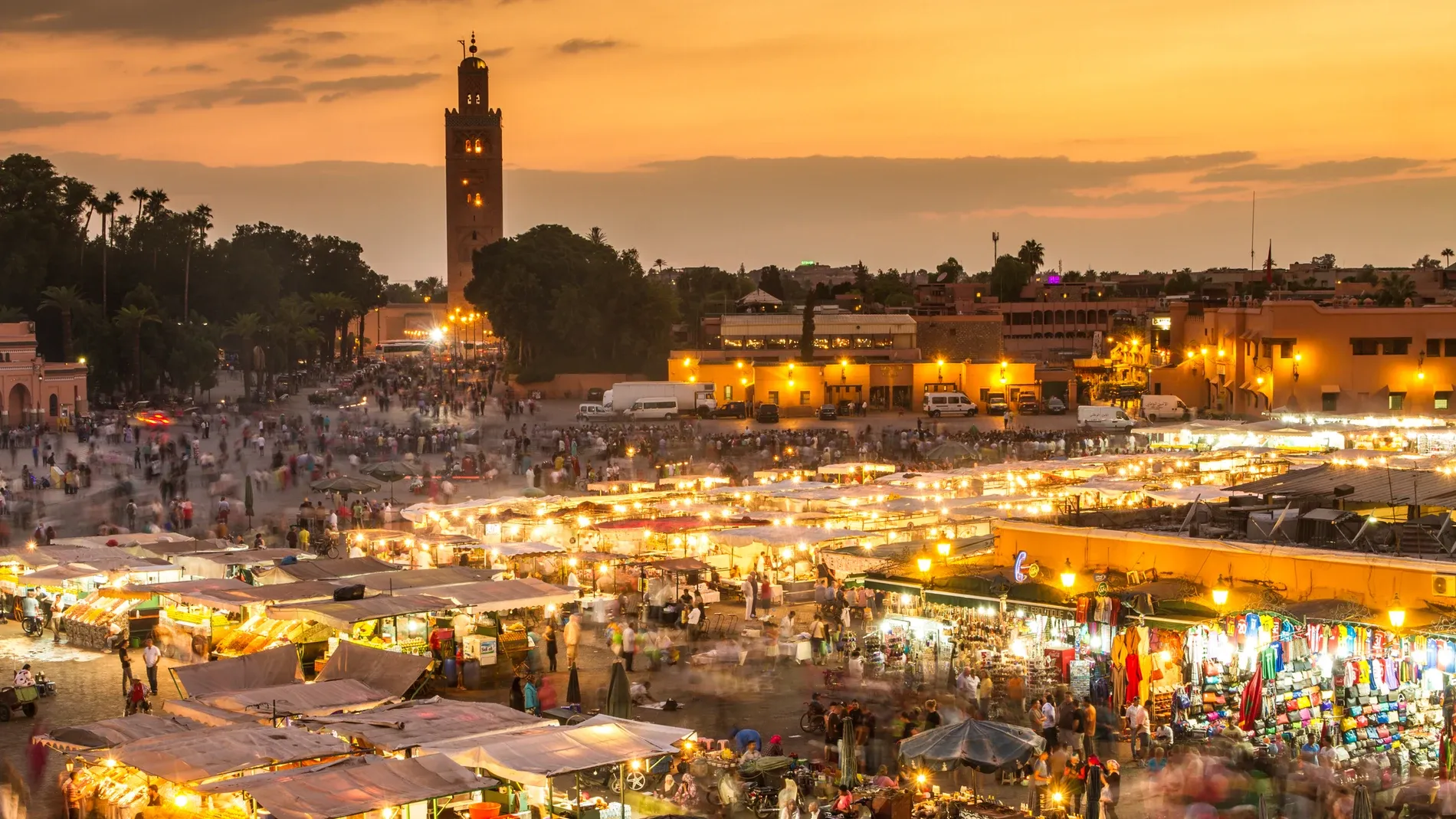
This statement was made during Dr. Al-Nuaimi's participation in a parliamentary delegation from Bahrain at a discussion session focused on enhancing investment in AI and establishing an AI center for the Euro-Mediterranean and Gulf regions. This session took place yesterday (Friday) as part of the fourth session of the Parliamentary Economic Forum for the Mediterranean Sea, held in Marrakech, Morocco.
During the session, Dr. Al-Nuaimi presented Bahrain's experiences in the AI sector, asserting that the kingdom recognized early on the importance of preparing for the Fourth Industrial Revolution. This preparation includes supporting training and qualification programs and building national capacities in advanced technical fields. In addition, it involves fostering partnerships between the public and private sectors, encouraging an environment conducive to entrepreneurship and innovation, which is essential for developing a national workforce capable of leveraging AI opportunities and addressing associated challenges.
Dr. Al-Nuaimi called for the establishment of a regional AI center that would serve the Euro-Mediterranean and Gulf regions as a strategic platform for cooperation, knowledge exchange, and capacity building, given its potential to drive development engines and economic transformation. He elaborated, stating that creating such a regional AI center is a significant strategic step that could unify efforts, coordinate initiatives, and provide a common platform for research, development, and knowledge transfer. This would enhance economic and technological integration among the countries in both regions and help narrow the digital divide while accelerating innovation through support for scientific research and innovation, developing legislative and ethical frameworks governing AI applications, enhancing cybersecurity, and building human capabilities, all while creating an attractive environment for investments and promising tech startups.
Additionally, Hanan Mohammed Fardan, another member of the Bahraini parliamentary delegation, presented a paper during which she highlighted the importance of aligning financial reforms with ongoing investments in developmental projects and essential services to ensure economic, social, and environmental stability. She reiterated that Bahrain's economic vision, which is based on principles of sustainability, competitiveness, and fairness, has led to the implementation of programs and initiatives aimed at enhancing financial stability, improving government spending efficiency, and diversifying income sources. She emphasized that achieving financial sustainability does not conflict with economic growth, provided that reform policies are linked to clear programs for economic diversification, investment stimulation, and enhancing public spending efficiency.
This discussion occurred during a session dedicated to addressing global challenges surrounding economic integration, free trade, and public debt, as part of the forum's activities that took place yesterday (Friday) in Marrakech, Morocco. During her address, Hanan Mohammed Fardan stressed the interconnectedness of these issues, which represent some of the most critical strategic files in light of global market fluctuations and increasing financial and economic pressures. She illustrated that international experiences have shown that transitioning from individual approaches to public debt issues to comprehensive collaboration and integration contributes to enhancing financial stability and reducing risks associated with global fluctuations. She cited the **CETA** agreement between Canada and the European Union as a comprehensive framework for economic and trade cooperation.
Furthermore, she advocated for the activation of a comprehensive Euro-Mediterranean Gulf economic framework that enhances institutional cooperation and coordinates economic, trade, and investment policies, asserting that this represents a strategic step that serves the mutual interests of member states.
She also highlighted the importance of developing legislative frameworks related to public debt management, including enhancing transparency requirements and periodic disclosures regarding the debt structure, service costs, and usage areas, while ensuring a balance between financial sustainability and the need for investment in developmental projects, infrastructure, and productive sectors.
As reported by akhbar-alkhaleej.com.