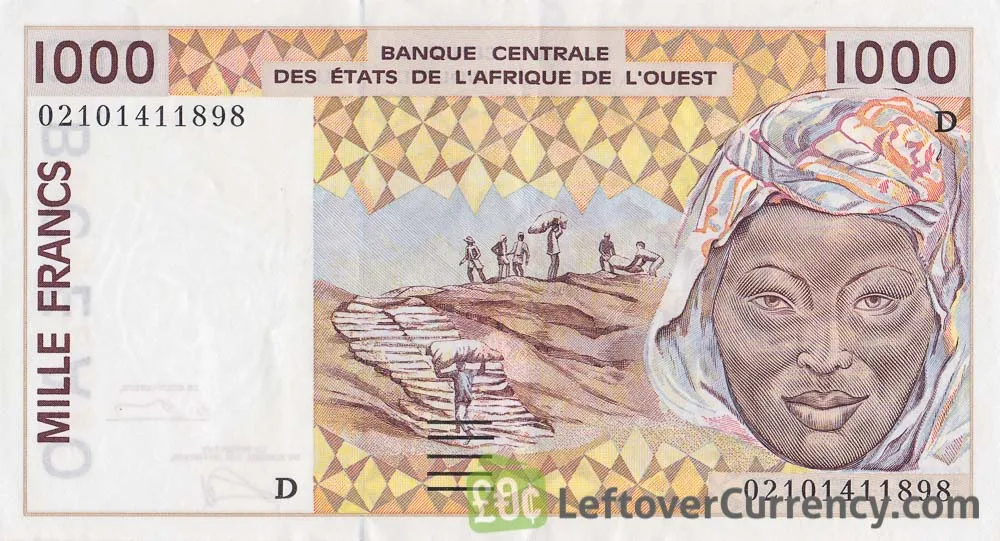

BCEAO's Strategic Move to Double Wallet Limits
The Central Bank of West African States (BCEAO) has recently announced a significant increase in the limits imposed on digital wallet transactions, officially doubling the previous thresholds. This bold initiative aims to enhance the financial inclusion of citizens across its member countries, thereby promoting the use of digital financial services. The decision reflects BCEAO's ongoing commitment to adapting to the evolving financial landscape, especially in light of the increasing reliance on mobile money platforms across Africa.
This regulatory adjustment is particularly noteworthy as it positions the BCEAO at the forefront of digital banking innovation in the region. By doubling the wallet limits, the central bank is not only facilitating greater transaction volumes but also encouraging more individuals and businesses to engage with digital financial services. This is expected to spur economic activities, particularly in rural areas where traditional banking services are limited.
Comparative Analysis with Other African Nations
While the BCEAO's decision is a significant step for member states, it raises questions regarding how this policy shift will influence other African nations such as Kenya, Morocco, and Nigeria, which have already established robust mobile payment ecosystems. For instance, Kenya's M-Pesa has set a benchmark for mobile money services, demonstrating how digital wallets can drive economic growth. In comparison, Morocco and Nigeria have also made strides in enhancing their digital payment frameworks, albeit with varying degrees of regulation and market penetration.
As the BCEAO implements this new limit, it will be essential to monitor how these changes affect competition within the regional digital finance space. Countries like Kenya, with their advanced mobile money networks, may either see a surge in cross-border transactions or a challenge in maintaining their market dominance as BCEAO member nations enhance their digital capabilities. Moreover, it poses an opportunity for enhanced collaboration among these countries to develop integrated financial ecosystems that could lead to increased economic resilience across the continent.
As reported by financialafrik.com.