Unyielding Spirit in the Face of Adversity
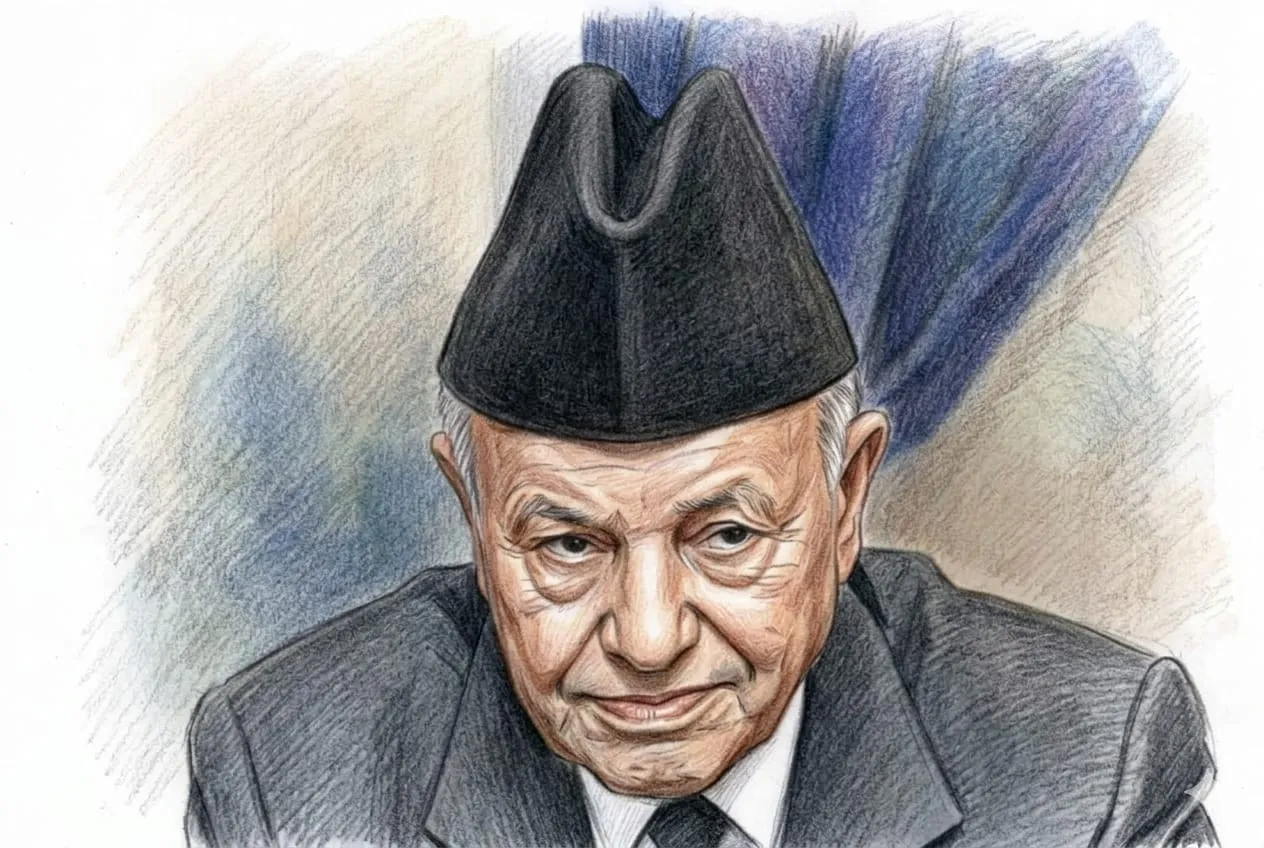
In an era when the names of political prisoners were whispered in hushed tones, one courageous parliamentarian dared to vocalize demands for the end of political imprisonment within the walls of the Moroccan parliament. This was none other than Mohammed Bensaid Ait Ider, whose reputation as the "Revealer of Tazmamart" emerged after he answered the calls of families of detainees to champion their cause. Despite warnings from Interior Minister Idriss Basri to avoid the topic and the reluctance of parliamentary factions to engage in this initiative, Bensaid boldly raised the issue in the presence of the late King Hassan II. This act of defiance broke the silence surrounding political imprisonment, triggering a pivotal moment in Moroccan parliamentary history that ultimately led to the closure of secret detention centers and the alleviation of the suffering of many detainees.
Political Legacy and Institutional Faith
Upon returning to Morocco after years in exile, Bensaid chose to engage publicly in politics, despite the advice of his comrades who urged him to avoid elections to protect his reputation linked to the Liberation Army and radical opposition. Instead, he prioritized the voices of the voiceless, aiming to set a different precedent for political engagement within institutions. His election as a representative for the Democratic Labor Organization marked the beginning of a 23-year parliamentary career, during which he was elected four times from his constituency, despite facing significant challenges from the Interior Ministry, which was accused of obstructing his allies' electoral success.
Through his parliamentary tenure, Bensaid Ait Ider witnessed a decline in the effectiveness of parliamentary practices, especially during the alternation experiment when opposition parties began to adopt the very policies they once criticized. This disillusionment did not deter him from pursuing institutional work. Following his involvement with the Marxist-Leninist "March 23 Movement," he co-founded the Democratic Labor Organization, which he led as Secretary-General from 1983. His active participation in the parliamentary arena allowed him to forge respectful relationships across political divides, earning him significant recognition in Moroccan political circles.
Bensaid's unwavering commitment to the Moroccan Sahara remained a cornerstone of his political ideology, as he actively defended territorial integrity, even engaging in discussions in Algeria to counter misrepresentations. His stance underscored the importance of national interest surpassing political disputes, leading to his participation in official missions abroad, including the African Unity Organization, during Morocco's final participation before withdrawing in protest against the representation of the separatist Polisario Front.
Even as a member of the opposition, Bensaid Ait Ider remained a staunch advocate for the unity of the Moroccan left, tirelessly working towards its practical realization. Following the departure of prominent leaders from his party in 1997, he continued his efforts to unify leftist factions, resulting in the establishment of the Unified Socialist Party in 2002, where he served as honorary president. His relationship with the monarchy was complex; he famously refused to kiss the hand of King Hassan II, a gesture he viewed as a matter of personal dignity and political principle, leading to strained interactions with both the king and Interior Minister Basri.
Ultimately, during the new reign of King Mohammed VI, the tension eased, culminating in Bensaid receiving a royal commendation and a letter of condolence honoring his distinguished political and human rights advocacy upon his passing. Born in 1925 in the village of Timnamsour, Ait Ider's journey into politics was shaped by his early education and the influential figures he encountered, eventually leading him to join the armed resistance against colonial rule.
As reported by madar21.com.