
Bouchra: A Unique Narrative of Identity and Innovation
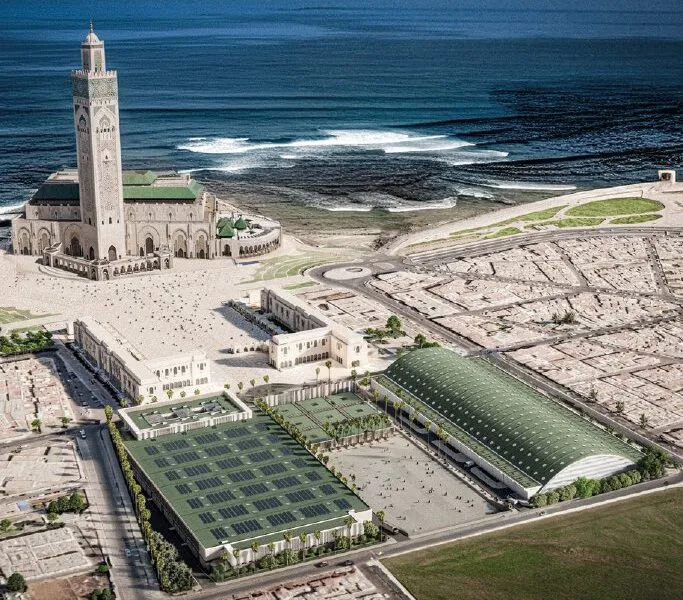
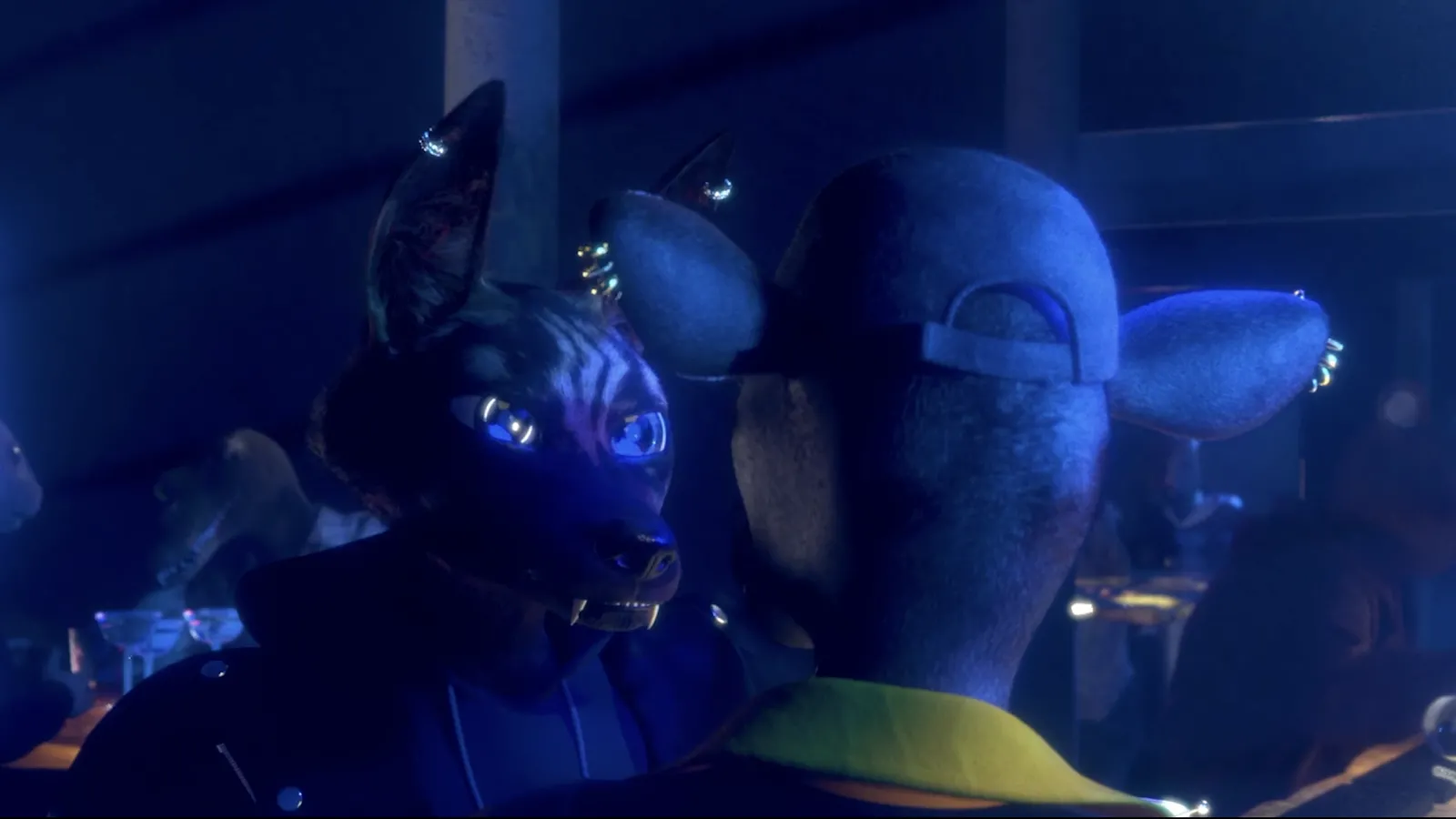
The animated film Bouchra presents a compelling story centered around a 35-year-old Moroccan coyote navigating life in Brooklyn while grappling with her creative aspirations and a strained relationship with her mother in Casablanca. The film's protagonist, also named Bouchra, is depicted in a world where her conversations with her mother, a jackal named Aicha, are authentically recorded by the director Meriem Bennani. These conversations unfold against the backdrop of Casablanca, rendered through photogrammetric reconstructions — a method that transforms photographs into a three-dimensional environment using open-source Blender software. This innovative approach not only sets the stage for the narrative but also symbolizes the technical prowess that has democratized animation production, enabling diverse voices to emerge in the international film landscape.
Bouchra's premiere at the 2025 Toronto International Film Festival (TIFF) marked a significant milestone as it became the first animated film to be nominated for the Platform Prize, following in the footsteps of Flow, a Latvian animated feature that won an Academy Award. This moment signifies a pivotal shift in the animation industry, where barriers that previously hindered non-Western productions from competing on a global scale are now being dismantled. The film has since garnered accolades, including the Gold Q-Hugo at Chicago's OutLook program and the 2026 Ingmar Bergman Debut Award at Gothenburg, reflecting its critical acclaim and the resonance of its storytelling.
Innovative Techniques and Societal Themes
Central to the film's production is Blender, a free and open-source 3D creation suite that has revolutionized the animation field by eliminating the high costs associated with traditional animation software. Bouchra's creative team of nearly 20 individuals leveraged Blender to develop anthropomorphic characters while employing real-time photogrammetry to reconstruct the film's outdoor settings. This unique combination of techniques allows characters that defy reality to traverse authentically rendered cityscapes, creating a visually stunning experience that critics have praised for its "grounded, textural realism." Moreover, the film’s character animation melds Blender's rig animation with motion capture technology, showcasing a sophisticated blend of artistry and technology that is typically reserved for high-budget productions. This hybrid approach not only enhances the visual narrative but also serves to emphasize the film’s exploration of complex themes such as identity, queerness, and the immigrant experience.
The film’s narrative is deeply intertwined with the protagonist’s struggle to reconcile her past with her current life. As she attempts to create her autobiographical film, the emotional weight of her nine-year silence with her mother looms large. The transformative use of animal characters serves a dual purpose: it allows for a deeper exploration of emotional truths while simultaneously providing a layer of abstraction that facilitates discussions around sensitive topics, such as sexuality and familial acceptance. This creative choice resonates with audiences, illustrating how animation can offer a unique lens through which to engage with complex human experiences.
Moreover, Bouchra's linguistic diversity reflects her multifaceted identity, navigating conversations in Darija, French, and English. This code-switching not only enriches the narrative but also serves as a metaphor for the complexities of diaspora life, making the film a rich tapestry of cultural and emotional layers. With its innovative storytelling and technical achievements, Bouchra stands as a testament to the power of animation to transcend boundaries and foster understanding in an increasingly interconnected world.
As reported by techtimes.com.