
In a highly anticipated clash between two top-10 ranked teams, Brazil and Morocco played to a draw at the New Jersey New York Stadium, marking the commencement of Group C action in the World Cup. While the scoreline was certainly noteworthy, the match's dynamics and individual performances stole the spotlight, revealing a lot about the potential trajectories of both teams in the tournament.
Vinícius Júnior: A Star Awakens
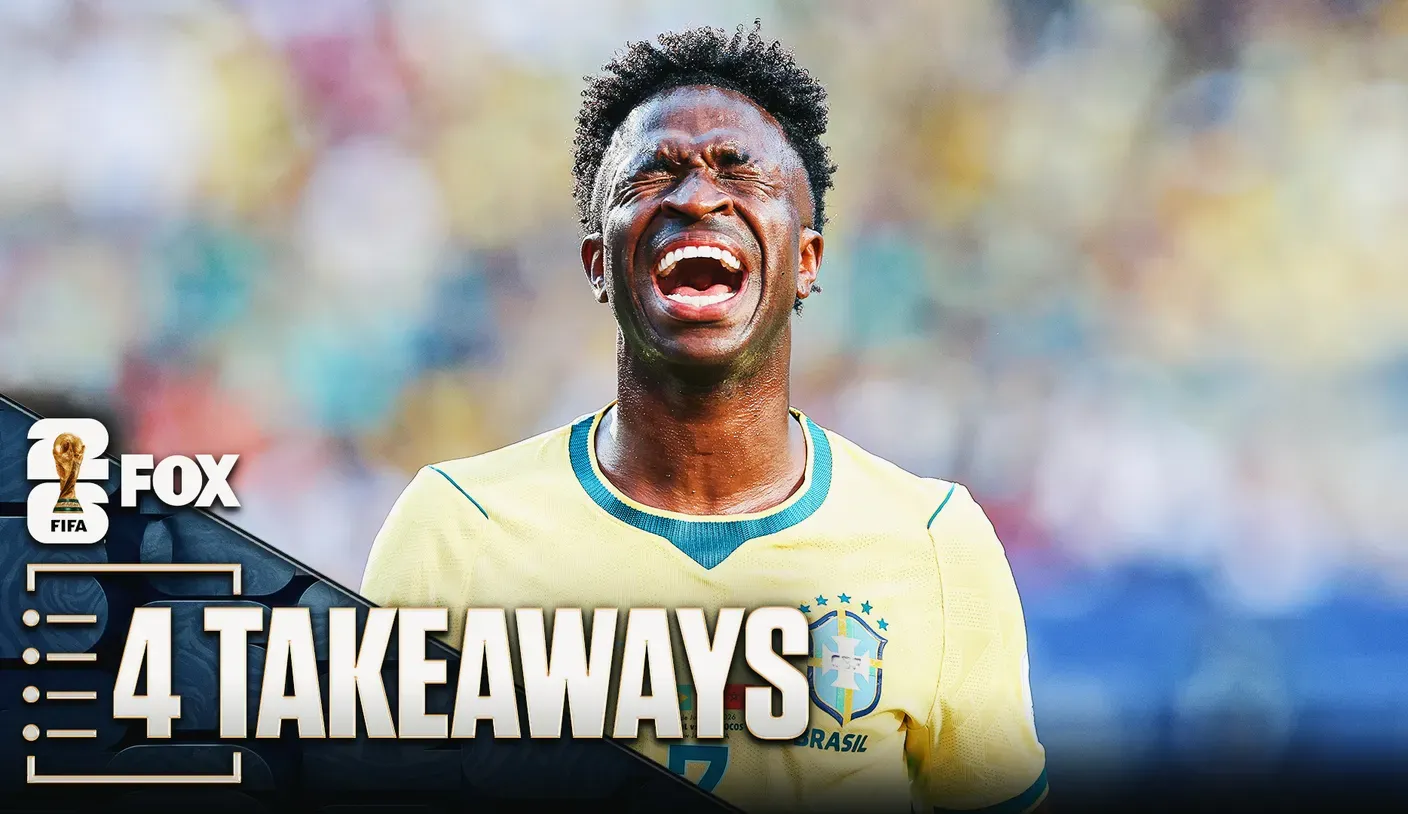
For the first 30 minutes, Brazilian forward Vinícius Júnior appeared to be sidelined, struggling under the weight of Morocco's double marking every time he received the ball. However, in a moment of brilliance, he reminded everyone of his immense talent. After receiving a well-placed pass from Bruno Guimarães, he made a deft cut in from the left and expertly curved the ball into the far corner of the net, leveling the score for Brazil. This goal marked his 10th in 50 appearances for the national team, a stark contrast to his stellar performance at Real Madrid where he is recognized as one of the best players globally. Despite this impressive achievement, the statistics raise eyebrows; ten goals in fifty matches is considered underwhelming for a player of his caliber. The pressure of representing the iconic Seleção has often weighed heavily on him, but this performance could be the turning point Brazil has been longing for—showing signs of a player ready to influence games rather than fade into the background.
Morocco's Fearless Display
It is essential to shift the narrative away from the conventional underdog story. Morocco displayed remarkable confidence and skill throughout the match, dominating possession and putting Brazil under significant pressure. Their performance was highlighted by Ismael Saibari's stunning opener, a beautifully executed chip over Brazilian goalkeeper Alisson, following a perfectly timed pass from Brahim Díaz. The Moroccan side, featuring standout performances from players like Achraf Hakimi, demonstrated that their success in the previous World Cup was not merely a fluke, but rather a testament to their technical prowess and competitive spirit. With this draw, Morocco has solidified its status as a formidable contender, proving that they are not to be underestimated in the knockout stages.
Despite Vinícius's moment of magic, Brazil's overall performance left much to be desired. Igor Thiago struggled as the lone striker, failing to make an impact and missing crucial opportunities, while Lucas Paquetá's lack of efficiency in possession added to the team's woes. The tactical decision to field Roger Ibañez as a right-back backfired when he received a yellow card and was substituted before halftime. The introduction of Danilo, a seasoned veteran, highlighted the team's lack of youthful agility on the flanks. Brazil's buildup play was disjointed and slow, allowing Morocco to cut through their defense with relative ease.
While a draw in the opening match does not spell disaster for Brazil, it raises questions about their readiness as tournament favorites. They must now regroup and focus on their upcoming fixtures against Haiti and Scotland, as they aim to secure their position at the top of the group. For Morocco, they achieved their objective of gaining a point against a heavyweight, proving they belong in the conversation of top-tier teams as per FIFA rankings. As Haiti and Scotland prepare to face off later, both will have taken note of the opening match, realizing that Group C is wide open for the taking.
The pressure on Brazil's manager Carlo Ancelotti has intensified following this performance. The expectations for the most decorated national team in football history are monumental, and the Brazilian fans demand nothing short of excellence. With their next match against Haiti, a team making its World Cup return since 1974, the stakes are high. Meanwhile, Morocco will face Scotland, a team absent from the World Cup since 1994, in what promises to be another thrilling encounter.
As reported by foxsports.com.