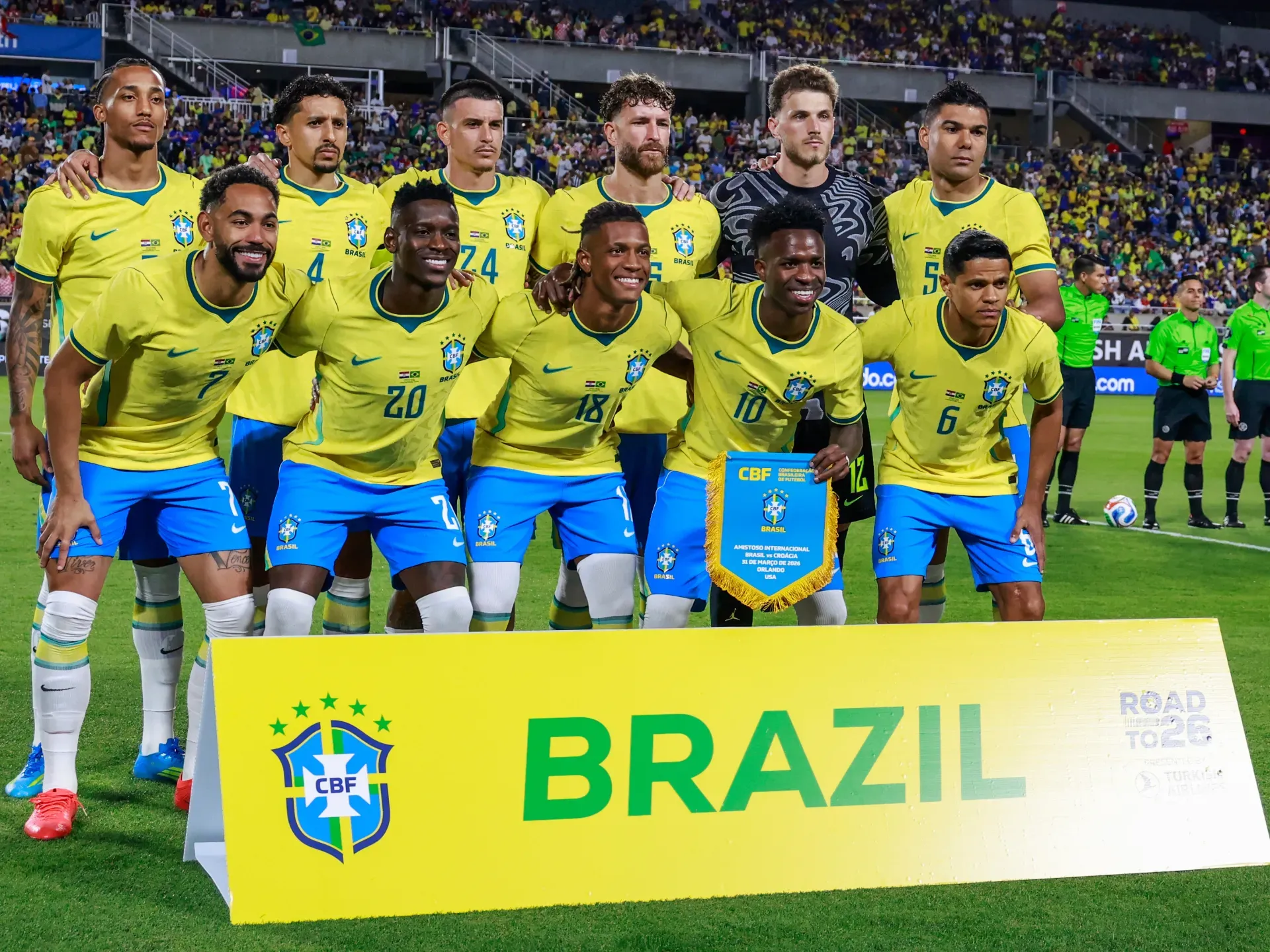

As the Brazilian national football team embarks on its quest to break a 24-year drought since their last World Cup victory, they encounter a significant early challenge right from the outset of the 2026 World Cup. In Group C, Brazil is set to face Morocco, a team that made a historic run in the 2022 World Cup, along with Scotland, aiming for a historic advancement to the knockout stage. This scenario sets the stage for a fiercely competitive group, making Brazil's path to glory fraught with difficulties.
In response to their recent struggles in knockout phases against European powerhouses, Brazil has enlisted the expertise of veteran Italian coach Carlo Ancelotti. His appointment is aimed at restoring the team’s competitive edge and guiding them toward capturing their sixth star.
Strategic Challenges and the Spotlight on Vinicius
The Brazilian squad enters this competition amid tactical debates, particularly regarding the inclusion of Neymar, who, at 34 years old, is participating in his fourth World Cup despite a long absence from international duty. Analysts suggest that his on-field role may be limited, placing a heavier burden on Ancelotti to achieve a balanced team dynamic. The Brazilian lineup boasts a formidable defensive core led by goalkeeper Alisson Becker and center-backs Marquinhos and Gabriel Magalhães. However, notable deficiencies in the full-back and midfield positions, compared to historical lineups, are evident. Ancelotti took over the team following a lackluster qualifying campaign that saw six defeats, compounded by two recent friendly losses to Japan and France.
Despite these challenges, the Brazilian team is betting on Ancelotti's experience in knockout matches and his ability to maximize the potential of star forward Vinicius Junior, who is expected to spearhead Brazil's attack, stepping out from the shadow of his Real Madrid teammate Kylian Mbappé.
Morocco's Transition and Scotland's Aspirations
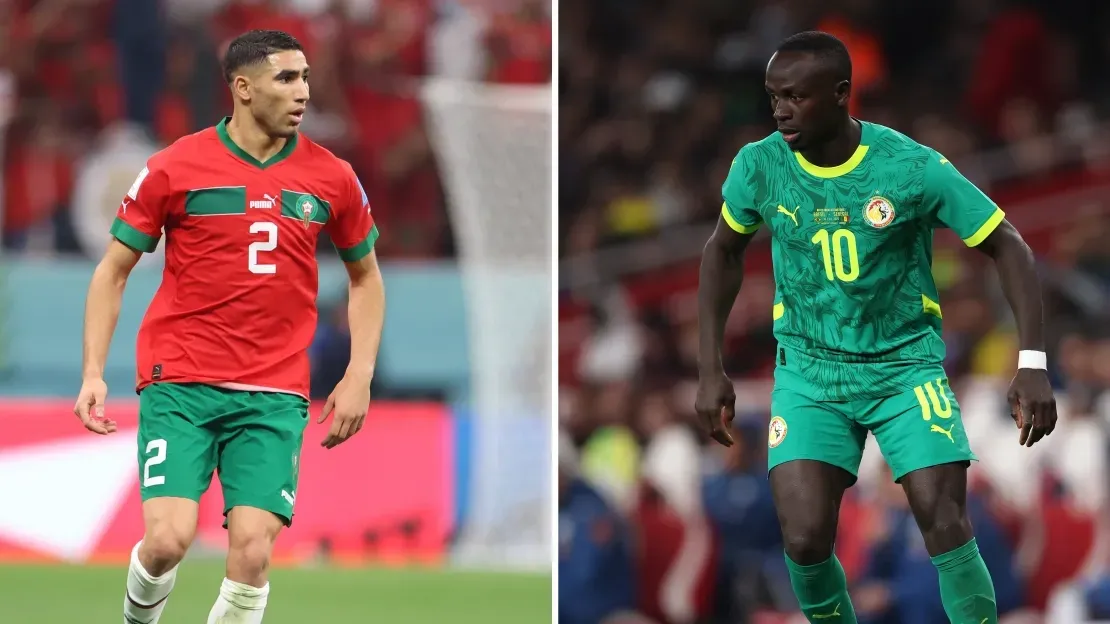
Conversely, Morocco poses the most significant threat to Brazil within the group, especially since the "Atlas Lions" managed to defeat Brazil in a friendly match back in 2023. With a robust structure led by Paris Saint-Germain star Achraf Hakimi, Morocco aims to replicate its previous World Cup success.
However, the Moroccan momentum faces a transitional phase following the recent Africa Cup of Nations held in their home country earlier this year, which ended dramatically with their exit against Senegal in the semifinals during extra time after Ibrahim Diaz missed a penalty. Although Morocco was controversially awarded the tournament title later by the African Football Confederation, the aftermath led to the departure of coach Walid Regragui in March, with coach Mohamed Wahbi now at the helm for the World Cup.
On the other hand, Scotland is looking to play the role of underdog in this group, marking its return to the global stage after a 28-year absence. Coach Steve Clarke is relying on players with significant European experience, such as Andy Robertson, John McGinn, and Scott McTominay, with the aim of advancing beyond the group stage for the first time in the nation's history. Scotland has a prime opportunity to start strong as they open their matches against Haiti, a team returning to the World Cup for the first time since 1974. The Caribbean nation enters the tournament amidst challenging humanitarian and security conditions at home, currently ranked 83rd globally, theoretically making them the weakest link in the group against their more technically adept competitors.
As reported by aljazeera.net.