
Brussels Acknowledges Morocco as a Key Strategic Partner
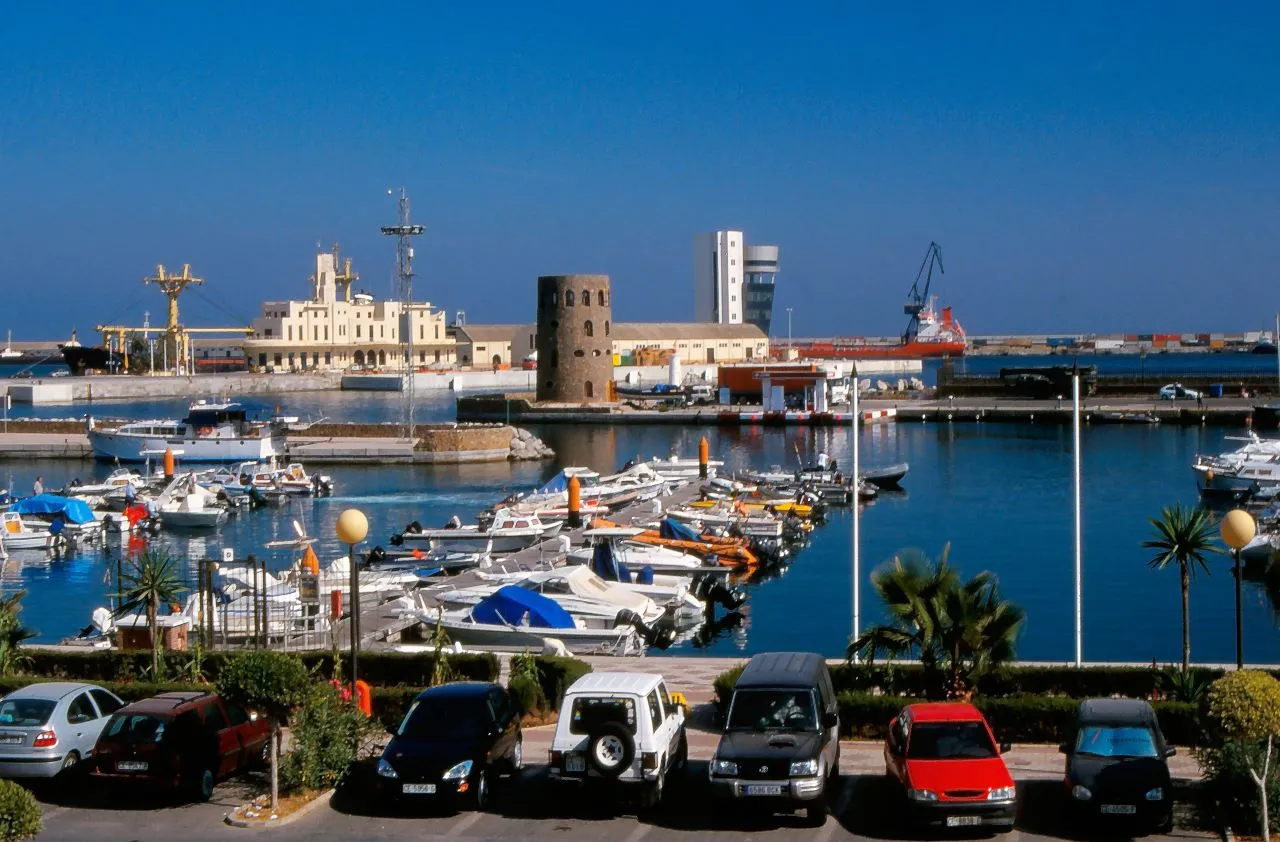
In a recent statement that has drawn significant attention, the European Commission's spokesperson for Interior and Migration, Markus Lammert, characterized Morocco as a "key strategic partner" in the context of ongoing migration challenges faced by Europe. This declaration comes more than a month after a significant influx of approximately 80,000 migrants, predominantly from Morocco, into the Spanish enclave of Ceuta, raising alarms about the management of migration flows and border security. Despite police reports indicating that government forces may bear some responsibility for the escalated crisis, Lammert's comments highlight a continued appreciation for Morocco's role in assisting European efforts to combat illegal migration and human trafficking.
Lammert emphasized the importance of Morocco's cooperation, particularly in light of the European Union's objectives to manage migration effectively and ensure the safe return of individuals who do not qualify for asylum. The spokesperson noted that the collaboration between Spain and Morocco is crucial in addressing the situation in Ceuta and managing the complexities of migration.
Financial Aid and Operational Concerns
Furthermore, discussions surrounding economic assistance requested by Spain to alleviate the financial burden stemming from the migrant crisis have surfaced. Lammert remarked that for the EU to finalize its evaluation regarding this assistance, essential issues remain unresolved by the Spanish authorities. These concerns may pertain to both financial and operational aspects of the situation, though specific details were not disclosed. The presence of the European border agency, Frontex, has also been reiterated, with current operations ongoing at the port of Ceuta and considerations for expanding their mandate to other locations in the region.
This situation underscores the delicate balance that Brussels seeks to maintain in its relationships with EU member states and external partners like Morocco, especially in light of past controversies involving lobbying activities related to Moroccan interests. As the situation evolves, the implications of these dynamics on European migration policy and regional stability remain to be seen. As reported by eldebate.com.