
The End of an Educational Era in Talayuela
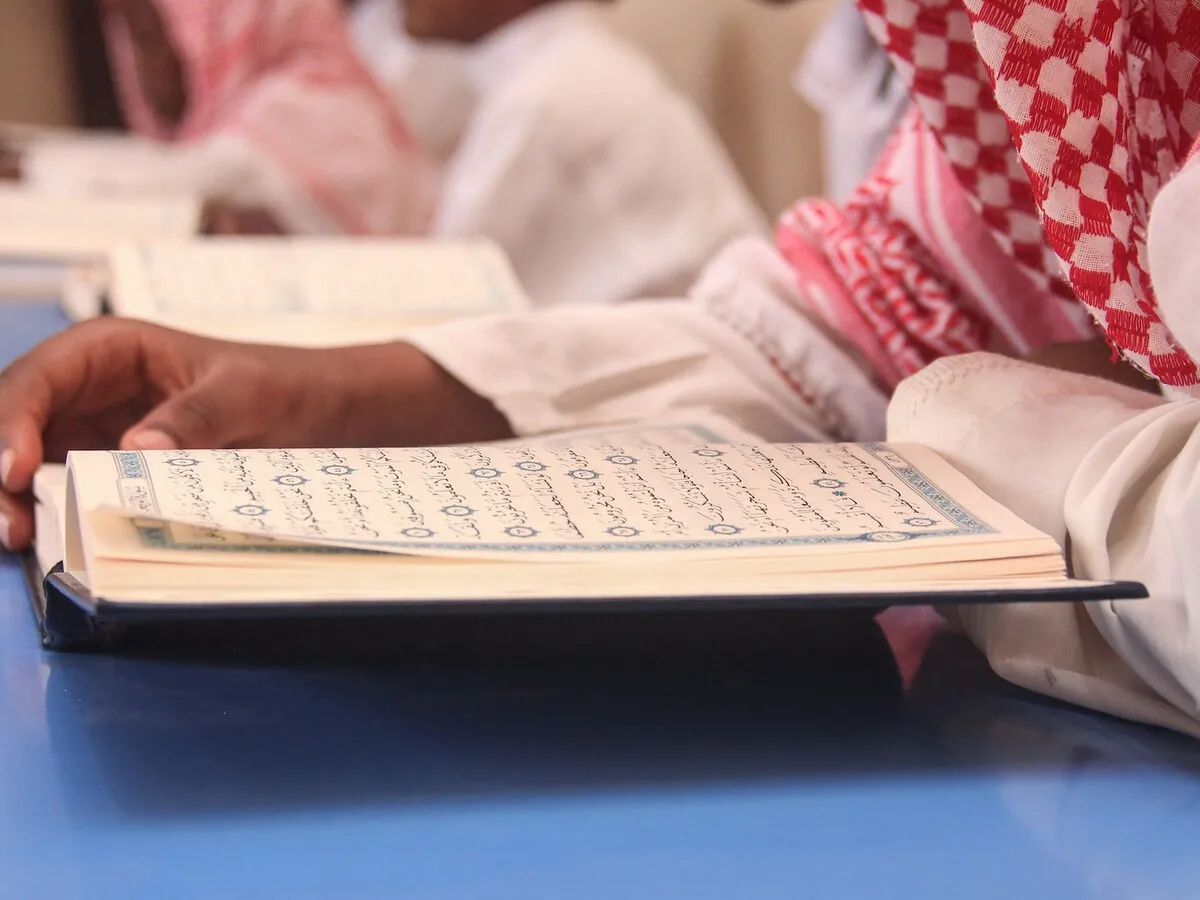
In a significant shift for the small town of Talayuela in Cáceres, Spain, over 200 students from two local schools have lost access to Arabic classes that have been funded by Morocco for the past twenty years. This abrupt change follows a political agreement between the Popular Party (PP) and Vox in the Extremadura region, which aimed to eliminate the program in the current academic year. Despite efforts from the educational community to find a last-minute solution, the Ministry of Education has ultimately rejected these attempts. The decision marks the end of a cultural and educational partnership that has provided Moroccan language and culture education to the community, with classes being a part of the Arabic Language and Moroccan Culture Teaching Program (PLACM), established under a cultural cooperation agreement signed back in 1980.
The Impact on Local Students and Community
The PLACM classes, which have been optional and conducted outside regular school hours, have been crucial for students in the CEIP Gonzalo Encabo and CEIP Juan Güell schools, the only institutions in Extremadura participating in the program. With around 60% of the student body at Gonzalo Encabo being of Moroccan descent, the loss of these classes poses not only an educational setback but also a cultural one. The school's director, Luis Alfonso Corrales, has voiced his concerns, stating, "We have nothing. For now, the teachers have left." This sentiment reflects the broader implications of the agreement that led to the program's termination, which is seen as part of a political agenda against perceived foreign influence in education.
The agreement to abolish the PLACM was a condition set forth by Vox to support the investiture of María Guardiola as the president of Extremadura. This decision has been framed within a narrative that opposes programs deemed as fostering foreign indoctrination, with the elimination of Arabic classes officially taking effect from September 2026. The Ministry of Education’s stance is that the bilateral agreement necessitates these activities to be conducted within educational institutions, emphasizing that the cessation of classes denies students the opportunity to connect with their linguistic heritage and complicates their social integration.
Talayuela's demographic landscape is particularly unique, with nearly a quarter of its population being of Moroccan origin, a trend that has intensified since the early 1990s due to seasonal labor migrations. Despite initial challenges in integration, Corrales notes that community dynamics have improved significantly, highlighting the mosque's role in fostering harmony among residents. He articulates a need for the return of these Moroccan teachers, drawing parallels with Spain's requests for assistance in Ceuta, stating, "We need these teachers here."
The situation in Talayuela is not an isolated incident, as it reflects a larger trend across Spain, where similar programs have been curtailed in regions governed by the PP, often in collaboration with Vox. While Madrid continues to support language programs for various nationalities, the discontinuation of Arabic language instruction raises questions about equity and inclusivity in educational policies.
As reported by xataka.com.