
Urgent Need for Discussion
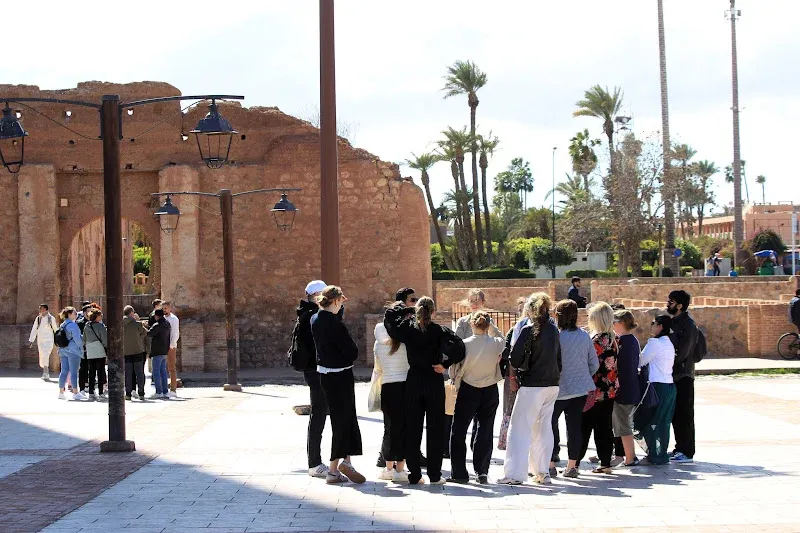
Voices from the National Union of Tour Guides in Morocco have called for a comprehensive dialogue regarding the future of unlicensed tour guiding in the country. This call comes in the wake of the arrest of an individual with a criminal record in this field, who was suspected of extorting a foreign tourist and physically assaulting them. The incident has brought to the forefront a longstanding professional and organizational issue that demands a broader approach for resolution.
Jamal Saadi, the former president of the National Union of Tour Guides in Morocco, urged for a national conversation around the phenomenon of unlicensed guiding. He emphasized that this practice has deep roots going back decades when unlicensed guides were traditionally known as 'Gamin.' This term did not carry negative connotations; rather, it referred to impoverished Black children who guided tourists through traditional markets in exchange for sweets and a few euros.
Saadi pointed out that this practice was fueled by the promotion of Morocco by many foreign tourists in their writings. He noted that the federation had previously adopted an approach that aimed to integrate practicing guides through ongoing training. A specialized training pathway was developed for these guides, which capitalized on their field experience while enhancing their theoretical knowledge. Furthermore, training sessions were organized prior to subjecting participants to professional examinations.
However, he highlighted that this initiative faced changes after parliamentary intervention proposed amendments to Law No. 12.05, which regulates the profession of tour guiding. This amendment opened the profession to practicing guides, but it inadvertently created an impression among other groups that they too could obtain similar privileges, leading to a continued influx of new practitioners into the sector. Instead of confining the process to exceptional and organized circumstances, the situation became more chaotic.
While Saadi acknowledged that some unlicensed guides possess high competency, he clarified that the problem lies with another group often stemming from socially vulnerable backgrounds. This group relies on "jaba" (commissions) offered by shops and bazaars in exchange for drawing tourists their way. This practice encourages the continuation of unregulated guiding and sometimes results in exorbitant charges for tourists without providing genuine guiding services.
He stressed that addressing this issue necessitates organizing a national forum that includes all stakeholders in the tourism sector to formulate comprehensive solutions. He added that priority should focus on reducing the commissions offered by traditional craft merchants, enhancing price monitoring, regulating these practices, and establishing a continuous training system to ensure the qualification of workers, protect the image of Moroccan tourism, and elevate the quality of tour guiding services.
Supporting the Discussion
Salah Wahli, president of the Regional Association of Tour Guides in the Marrakech-Safi region and a member of the National Federation of Tour Guides, condemned the physical assault on the foreign tourist by an individual with a criminal history in the field of unlicensed tour guiding. Wahli remarked that such practices tarnish Morocco's image as a tourist destination and jeopardize the safety and trust of visitors in the sector. He called for a genuine and extensive discussion on the matter.
In a statement to Hespress, Wahli reiterated that the association maintains a firm stance against all forms of extortion or assault that tourists may face, stating that tour guiding is a profession that demands competence, training, and responsibility. He clarified that the association's role, according to the provisions of Law No. 12.05, primarily involves advocating for licensed tour guides, supporting them, and defending their interests.
Wahli also mentioned that professionals have repeatedly expressed their views on this subject, with future opportunities to do so, as organizing the sector and combatting illegal practices remain a shared responsibility among various competent institutions. Each has its jurisdiction, whether it be security agencies, the Ministry of Tourism, or other stakeholders. He noted that the phenomenon of unlicensed tour guiding is not exclusive to Marrakech or Morocco.
The professional further indicated that most tourist cities worldwide experience this phenomenon, but addressing it relies on intensified monitoring and enforcement of the law. He highlighted that security forces intervene whenever offenders are caught in the act, taking necessary legal actions. However, the large number of tourists and the vastness of tourist areas make it impossible to monitor all cases continuously.
In this context, Wahli observed that the Ministry of Tourism's decision to allow some individuals who previously engaged in unlicensed tour guiding to integrate into the profession has not yielded the desired results in curbing the phenomenon. He questioned the effectiveness of this measure in addressing the root of the problem, emphasizing that protecting the profession and preserving Morocco's tourism image requires strict law enforcement and enabling licensed guides to practice their profession within a framework of organization, transparency, and adherence to legal regulations.
As reported by hespress.com.