
Fouzi Lekjaa: Oujda's Situation Needs Transformation
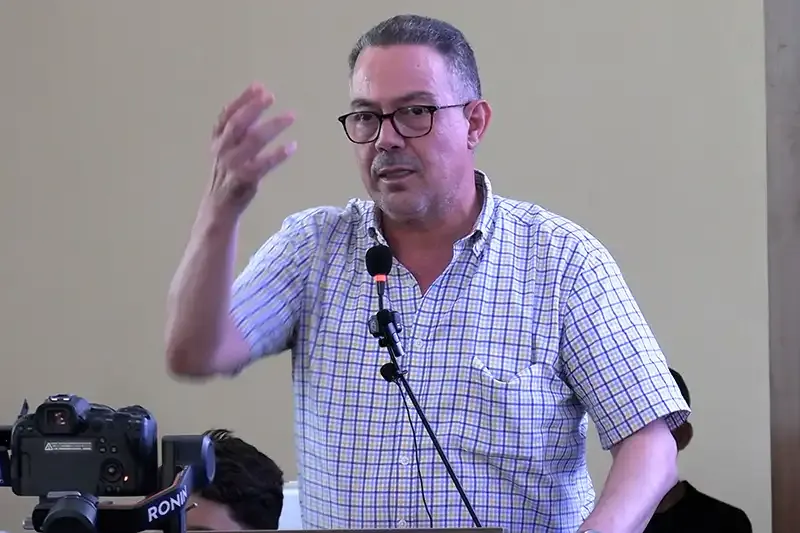
On September 16, 2026, prominent Moroccan politician Fouzi Lekjaa addressed the pressing need for change in the eastern city of Oujda. His statements came during a time when the local populace expressed mounting frustrations over economic conditions and infrastructure issues. Lekjaa emphasized that the current state of affairs is untenable and highlighted the urgency for comprehensive reforms. He underscored the importance of addressing the rising costs of living, particularly the skyrocketing prices of energy resources, which pose a significant threat to the economic growth and development of major projects within the region.
In his remarks, Lekjaa called for immediate actions aimed at curbing inflation, suggesting the elimination of VAT on fuel as a potential strategy to stabilize prices. He acknowledged the discontent among citizens who feel the weight of economic hardships, urging the government to take swift measures to alleviate these pressures. Lekjaa's proactive stance reflects a growing recognition among leaders that the time for mere promises has passed; tangible results are what the citizens demand.
Economic and Social Challenges in Eastern Morocco
The concerns raised by Lekjaa resonate deeply within the broader context of eastern Morocco, where many areas, including Oujda, face significant challenges such as isolation and economic stagnation. The region, rich in resources, has struggled to attract investment and create opportunities for its residents. Critics argue that the existing political framework has failed to capitalize on the region's potential, leading to widespread disillusionment among its people. As citizens call for accountability, they highlight that previous administrations have not adequately addressed their needs, leaving many feeling abandoned and marginalized.
As the political landscape evolves, the voices of the citizens become increasingly pivotal. The call for change in Oujda is not merely about addressing local grievances but is part of a larger national dialogue about the future of Morocco as a whole. The electorate is awakening to the reality that effective governance requires more than rhetoric; it necessitates a commitment to action and a willingness to confront the systemic issues that have long plagued the nation. As the elections approach, it remains to be seen how these sentiments will influence voter behavior and the political choices made by the citizens of Morocco.
As reported by hespress.com.