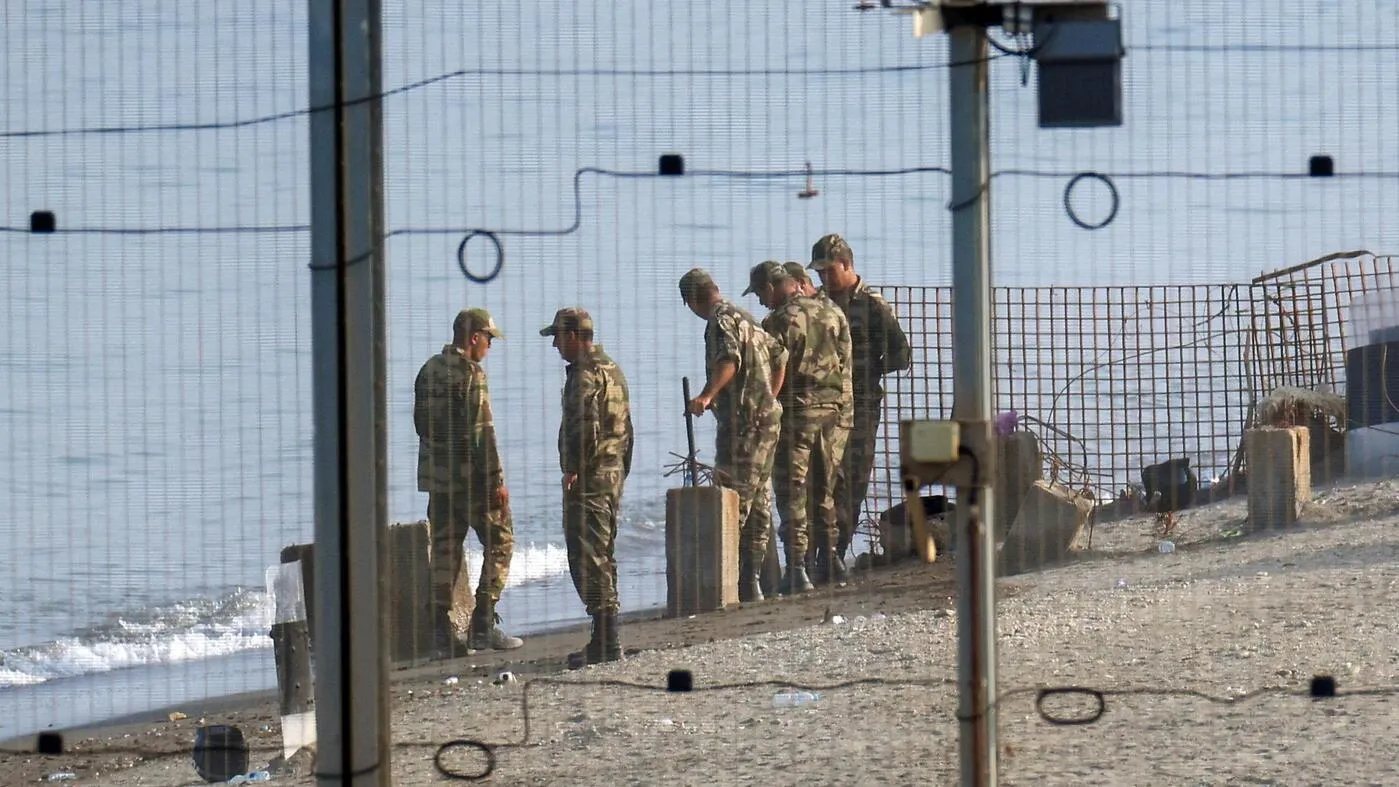

Concerns regarding a potential new wave of migrants attempting to cross into Spain's North African enclave of Ceuta have so far proven unfounded. Despite calls circulating on social media urging a repeat of the mass border crossings observed at the end of July, the situation at the border and within the enclave remained calm throughout the day. Both Spain and Morocco significantly bolstered their security measures ahead of the anticipated influx.
Reports from the scene indicated a quiet morning along the border, with a journalist from dpa noting that the city center appeared almost idyllic, with little indication of the tensions elsewhere. Occasional sightings of police and military patrols were the only reminders of the heightened security. Groups of young migrants were present only in the outer districts, and local Spanish media, including the state broadcaster RTVE, reported a largely relaxed atmosphere within the enclave.
In response to the fears of a repeat of the late July events, when estimates suggested up to 80,000 migrants entered Ceuta, authorities in both countries aimed to prevent similar occurrences. Spanish Interior Minister Fernando Grande-Marlaska reiterated that the mass arrival witnessed then was an extraordinary event that would not be repeated.
Heightened Security Measures in Effect
Witnesses reported a significant presence of Moroccan security forces around Ceuta and Melilla, effectively deterring potential border crossings. Hundreds of migrants, many hailing from sub-Saharan countries, were intercepted near the border town of Fnideq, approximately 20 kilometers from Ceuta, and prevented from attempting the crossing. The Moroccan Interior Ministry stated that 111 migrants without valid documentation were apprehended on Saturday alone.
Morocco intensified its security measures in recent days, erecting additional barbed wire and NATO wire barricades in Fnideq. Patrol boats are monitoring the coast, while water cannons are stationed at the border. Numerous checkpoints have also been established along access roads. Spain has similarly ramped up its security, deploying 880 National Police officers in Ceuta—270 more than at the end of July—alongside approximately 2,000 soldiers and about 700 Civil Guard officials.
Earlier this week, the Moroccan government announced it was monitoring the spread of social media posts and news from unknown sources that called for a mass influx on August 15, warning that it would prosecute both organizers and participants. To underscore its commitment, the Moroccan Interior Ministry also announced the arrest of a group suspected of inciting new attempts at illegal entry into the Spanish enclaves of Ceuta and Melilla, with allegations of spreading false information.
Challenges Ahead for Normalcy
The surge witnessed two weeks ago was unprecedented. On July 30, tens of thousands of migrants primarily arrived in Ceuta via swimming, leading to numerous fatalities; Madrid's latest official report indicated that 83 bodies were recovered from the sea, with NGOs estimating the death toll to be well over a hundred. Interior Minister Grande-Marlaska noted that most arrivals returned to Morocco within hours or days, but approximately 5,000 migrants remain in Ceuta, with authorities starting to verify adult identities. Those without the right to stay will be returned to Morocco, and Grande-Marlaska acknowledged that it will take time to achieve a full return to normalcy.
The migrant wave into Ceuta has sparked a dispute within the EU and intensified anti-immigration rhetoric among far-right parties globally. Italy, in response to the border crossings, suspended the application of the Schengen Agreement for Spain, despite Ceuta not being part of the Schengen Area.
For Saturday, authorities were better prepared than during the events of two weeks prior. Rachid el Jalfi, a spokesperson for the Moroccan Interior Ministry, emphasized that all necessary measures had been taken to prevent any attempts at illegal border crossings and to intercept anyone trying to participate in such actions. He urged the public to avoid following the calls on social media, which he said posed serious dangers to people's safety. The Moroccan Interior Ministry reiterated that combating irregular migration and human trafficking networks requires closer cooperation between Spain and Morocco.
Minister Grande-Marlaska also cautioned during a press conference against heeding calls on social media, warning, "I tell you this so that you do not listen to the mafias that play with your lives. None of you will stay in Ceuta, none will reach the mainland, and none will obtain legal residency." Following the migration drama, criticism arose towards the Moroccan government for not adequately preventing the illegal crossings at the end of July, though a Moroccan official dismissed such allegations at the beginning of August, stating that the sheer volume of migrants attempting to reach the enclave overwhelmed Moroccan security forces.
As reported by tagesspiegel.de.