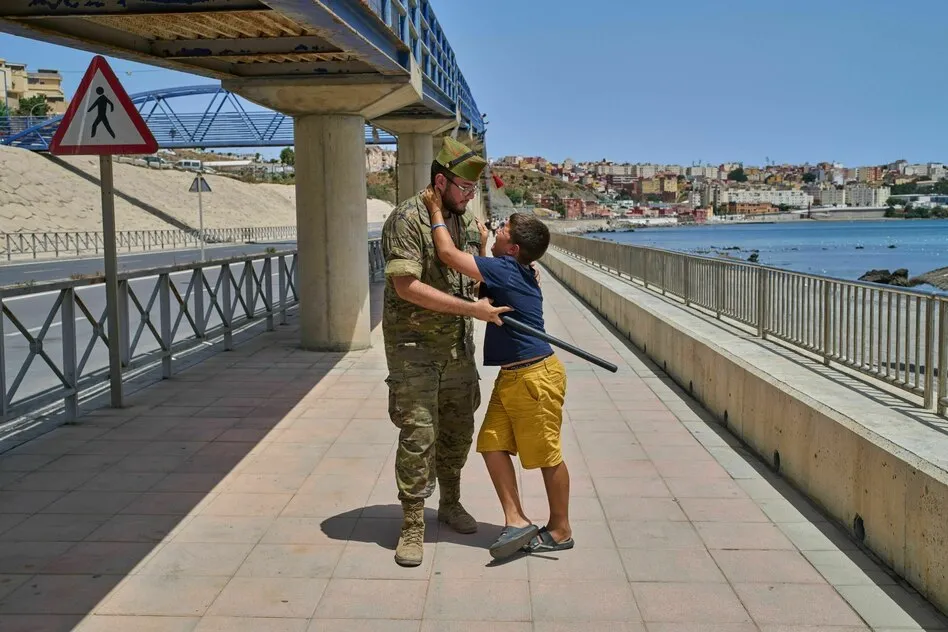

Two weeks have passed since the overwhelming influx of migrants into the Spanish exclave of Ceuta, and the situation on the ground has largely stabilized. Spanish and Moroccan border officials have resumed their duties, intensifying controls in response to the crisis. Between July 30 and 31, more than 70,000 individuals crossed the border from Morocco, resulting in a tragic death toll of at least 96 individuals. Many of these migrants were lured by social media calls from unknown sources, which has now sparked a political dispute over the fate of those remaining in the city, which has a population of around 83,000.
The number of migrants still present in Ceuta remains uncertain. While the Spanish government estimates a few thousand, Territorial President Juan Jesus Vivas claims the figure stands at 11,000. A significant portion of these individuals are minors, with families from Senegal and refugees from the Sudanese civil war also seeking the right to remain. In recent months, northern Morocco has seen a surge of migrants from Sub-Saharan Africa, driven by intensified deportation efforts and stringent maritime controls from authorities in Algeria and Tunisia.
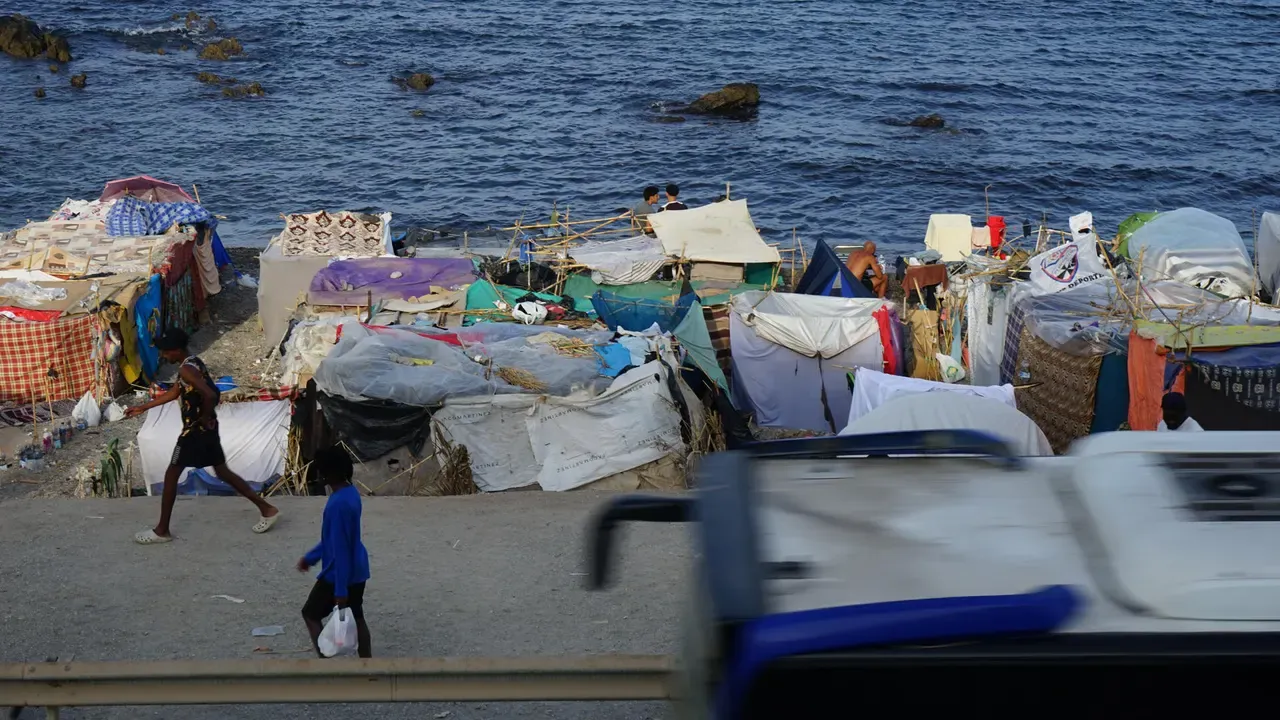
As Morocco appears to allow only its own citizens to re-enter Ceuta and mandates a legal process for the repatriation of unaccompanied minors, makeshift tent settlements have emerged along the beach. According to migrants who spoke with taz via telephone, the supply situation is critical, exacerbating the already dire living conditions.
Reports have surfaced of several women who traveled alone being sexually assaulted during the chaos of the influx. The exact number of casualties resulting from the surge remains ambiguous. According to the state Spanish broadcaster RTVE, Spain has reported 82 deaths on its territory, while Morocco has reported 14. Human rights advocates believe the true toll exceeds 140, with many migrants drowning while attempting to swim the short distance from the Moroccan town of Fnideq to Ceuta, and others trampled in the ensuing chaos. Mohamed, a café owner from Fnideq, lamented, "A friend of mine is also missing," reflecting the deep personal losses suffered.
During the initial surge, young people in Fnideq set police vehicles ablaze, further escalating tensions. Following the event, many found themselves stranded without funds for a return trip to Casablanca or means to acquire food. Security forces have attempted to disperse these individuals from the city.
The Unknown Instigators Behind the Call for Action
While many young migrants have since returned to their families, anxiety persists in Ceuta over the potential for a recurrence of such actions. New calls have emerged on social media, suggesting that the instigators aim to exert political pressure on Spain. Prime Minister Pedro Sánchez has faced criticism from right-wing factions due to his liberal immigration policies.
A café patron remarked, "Some of the migrants were clearly transported to Fnideq by trucks and buses. There is clearly someone orchestrating this, but no one knows who that is." This reflects a broader sentiment of unease regarding the motivations behind the influx. The events of July 30 have left a lasting imprint on Morocco, as recent youth protests in October of the previous year had already tested the limits of security forces. The targeted arrests of leaders from the Generation Z 212 protests had previously quelled a mass movement.
Morocco’s economy is experiencing a boom, driven by numerous large-scale projects, including the construction of stadiums for the 2030 World Cup and significant investments from European automotive suppliers. However, many young Moroccans, even those with university degrees, find themselves searching in vain for employment opportunities, leading them to envision a future outside their homeland.
Youssef, a 22-year-old transport worker returning to Rabat, expressed, "Morocco is a beautiful country; I would like to stay. But I want to be able to rent my own apartment and get married. Isn’t that a reasonable desire? Wouldn’t you have gone to Ceuta if you were in my position?" Ultimately, Youssef believes that his hopes were politically exploited by the architects of the Ceuta campaign, stating, "All the claims made in the videos about open borders to Spain were false. It was a trick, a crime." The alarming rise of right-wing extremist forces in the upcoming regional elections underscores the urgent need for solidarity and cohesion during these trying times. This is essential not only for those seeking refuge but also for the local community members advocating for a robust civil society.
As reported by taz.de.