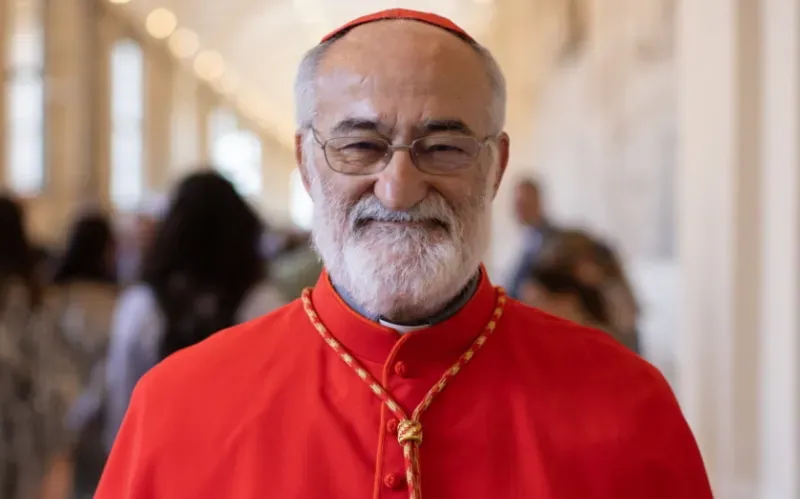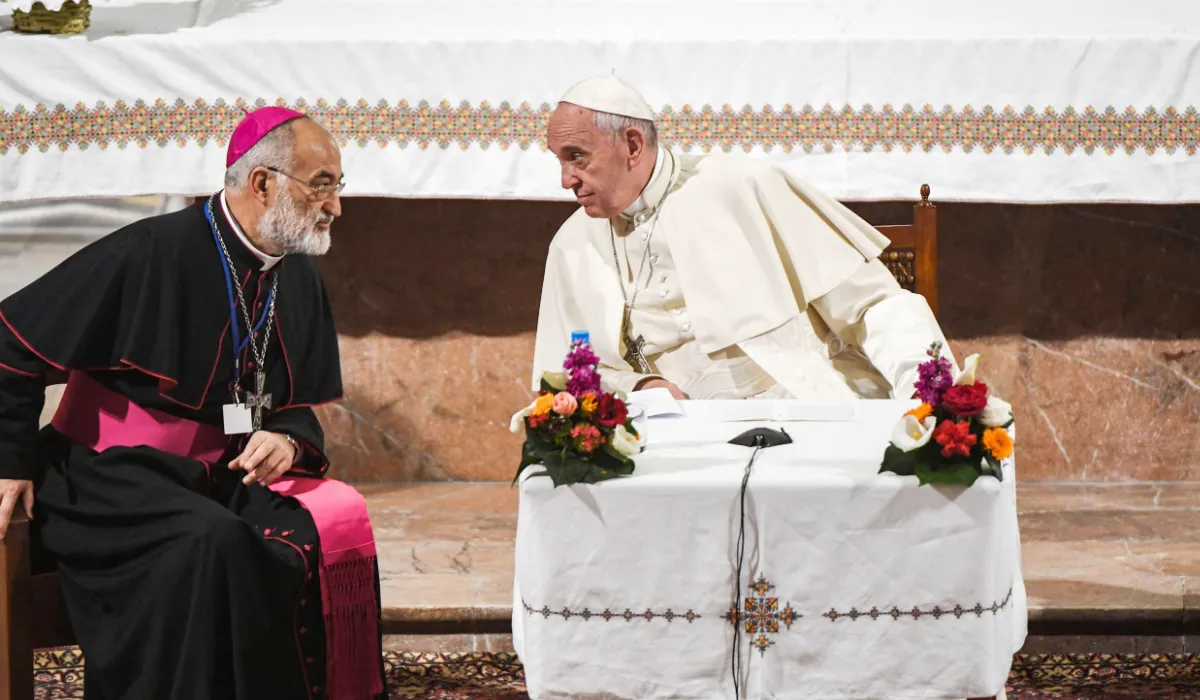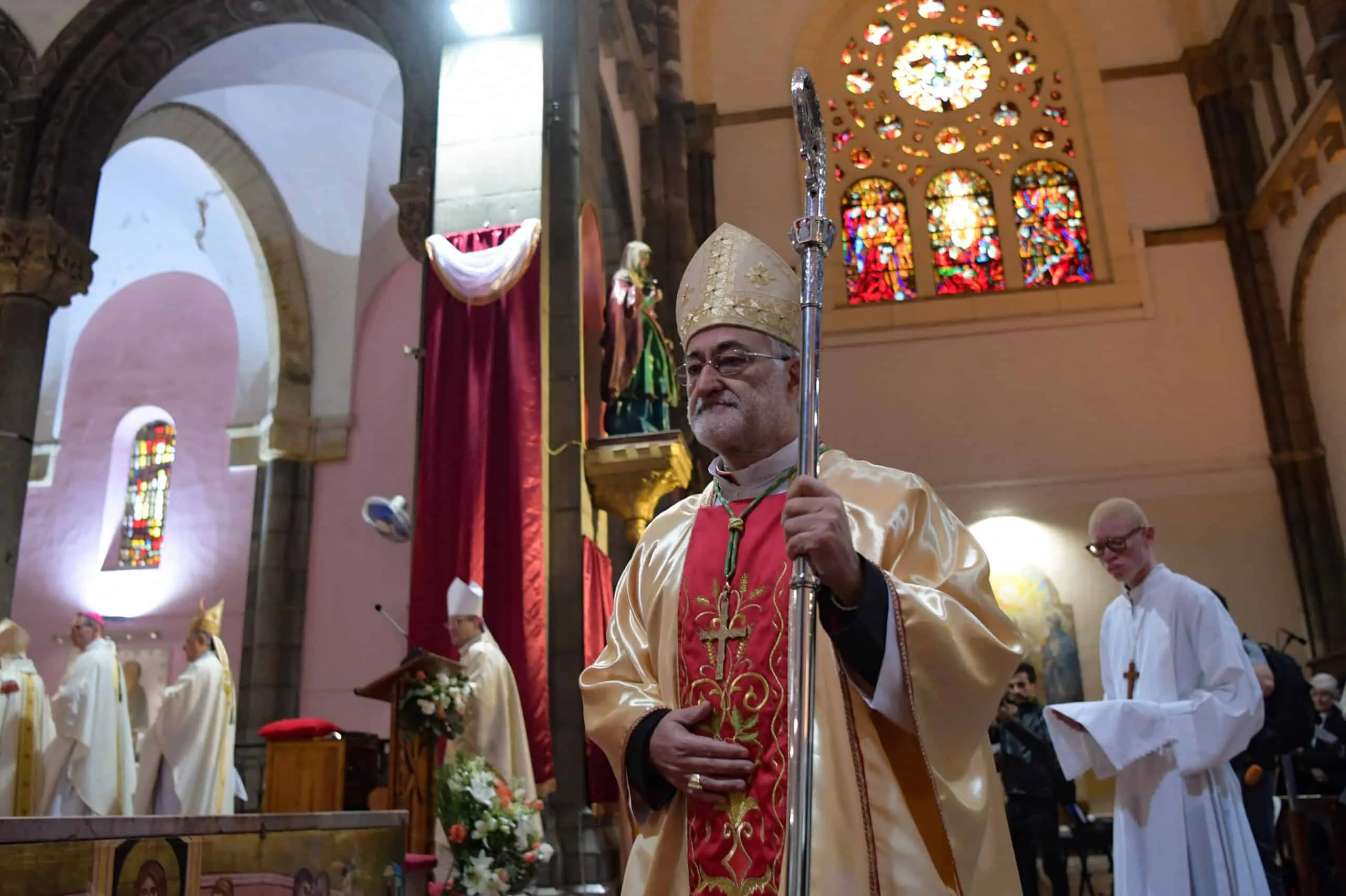
In a significant development within the Catholic Church, Archbishop Cristobal Lopez Romero, a prominent figure and a leading candidate to succeed Pope Francis, has announced he is stepping back from his position following serious allegations of sexual assault from at least five women. The 74-year-old Spanish-born cardinal, who serves as the Archbishop of Rabat in Morocco, has vehemently denied any wrongdoing despite the gravity of the accusations against him.
The controversy began when one woman filed a formal complaint in May with the Vatican embassy in Morocco, claiming that Lopez had subjected her to what she described as "particularly insistent and prolonged hugs" and an unwelcome attempt at physical intimacy. This incident appears to be one of several similar accounts brought to the attention of church authorities, highlighting a troubling pattern of behavior associated with the cardinal.
In a written statement, Lopez acknowledged that he had been accused of inappropriate conduct towards adult women, which has prompted the Church to initiate a preliminary investigation into the matter. Despite the allegations, he maintains his stance of innocence, asserting, "I have committed neither assault nor violence nor sexual harassment." This declaration, however, has not quelled the concerns raised by sources within the archdiocese, who have criticized what they describe as a "culture of complicity and silence" surrounding the cardinal's actions.
The allegations against Lopez underscore a broader concern regarding accountability within the Church, particularly in the wake of long-standing issues related to sexual abuse by clergy. The cardinal, once celebrated for his work with impoverished communities as a jovial "street priest," had been viewed by some as a potential successor to Pope Francis, especially following the latter's death in April of the previous year. However, Lopez had previously distanced himself from aspirations to ascend to the papacy, expressing a lack of ambition and even humorously suggesting he would flee should he be elected.
As the investigation unfolds, the Church's internal processes are expected to take precedence, with calls for transparency and justice growing louder. A representative for the archdiocese emphasized the importance of allowing the competent authorities to conduct their inquiry without interference. Meanwhile, legal experts have noted that the allegations, if substantiated, could constitute aggravated sexual harassment or assault, particularly given the cardinal's position of authority.
This situation raises critical questions about the Church's handling of such serious allegations and its commitment to addressing the historical culture of abuse that has plagued it. The need for reform and accountability remains pressing, as advocates for victims continue to push for meaningful change within the institution.
As reported by globalnation.inquirer.net.