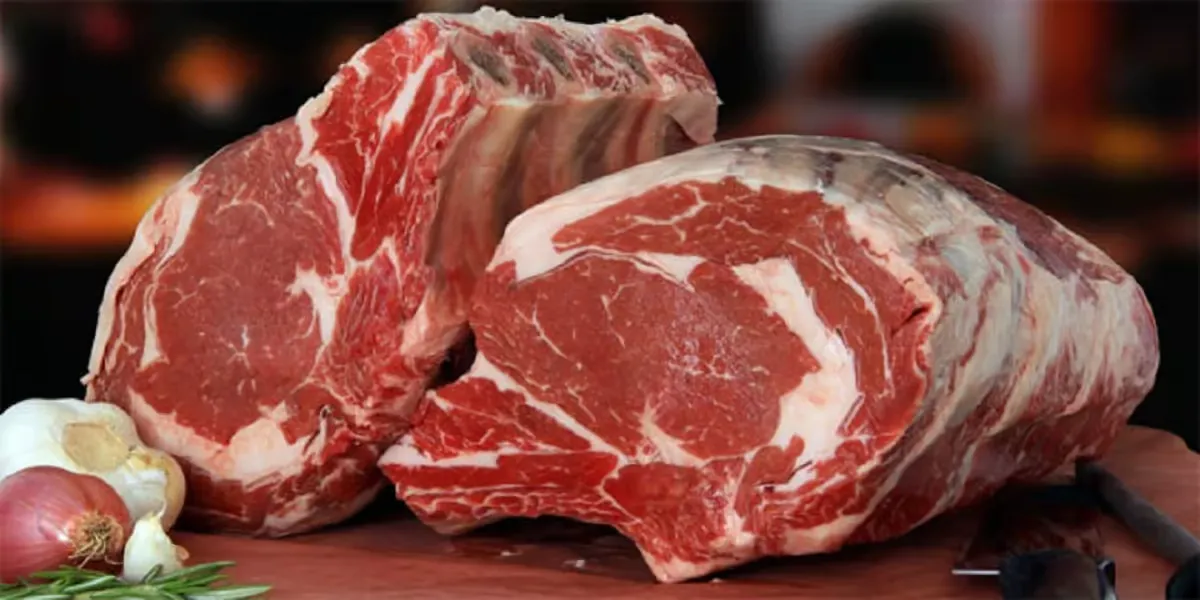

Beef Prices Dip in Casablanca's Wholesale Market
In a notable turn of events, the wholesale prices of beef in Casablanca have experienced a decrease from July 1 to July 8, 2026. According to the weekly reports published by the city's service management structure, the current prices now range between 82 and 107 dirhams per kilogram, down from the previous week’s range of 85 to 110 dirhams. This reduction affects both the minimum and maximum prices, each falling by three dirhams per kilogram. Interestingly, this trend is not isolated to beef, as prices for sheep meat have also seen a decline, with the minimum price dropping by three dirhams to settle between 135 and 140 dirhams per kilogram. It is essential to note that these figures are indicative and pertain solely to the wholesale market, without reflecting the retail prices that consumers might encounter.
Limited Relief for Beef Consumers
The recent dip in beef prices at slaughterhouses and wholesale markets in Casablanca comes amid a backdrop of persistently high red meat prices. Despite this week's adjustment, the price ranges remain significantly elevated compared to many other food products tracked in the weekly bulletin. For households, the tangible impact on the final purchase price will largely depend on various factors including transportation costs, cutting and distribution expenses, and retail markups. Additionally, the observed trend in vegetable prices is also leaning towards a downward trajectory for several items. For instance, the minimum price for tomatoes has dropped to 1.30 dirhams per kilogram, with the maximum now at four dirhams, while squash prices currently range between two to five dirhams. These shifts indicate a more pronounced easing in certain vegetable prices when compared to red meats, where fluctuations remain relatively modest despite the recent decline.
Market professionals, however, are exercising caution regarding short-term price movements. Following Aïd Al Adha, several market players anticipate potential supply tensions for sheep meat, which may redirect some demand towards beef. Thus, the decline in beef prices observed on July 8, 2026, could be interpreted more as a temporary adjustment rather than a lasting trend. Local authorities emphasize that these reports primarily serve as market indicators, as the final prices paid by consumers can vary based on product origin, quality, and the marketing channels utilized.
As reported by lebrief.ma.