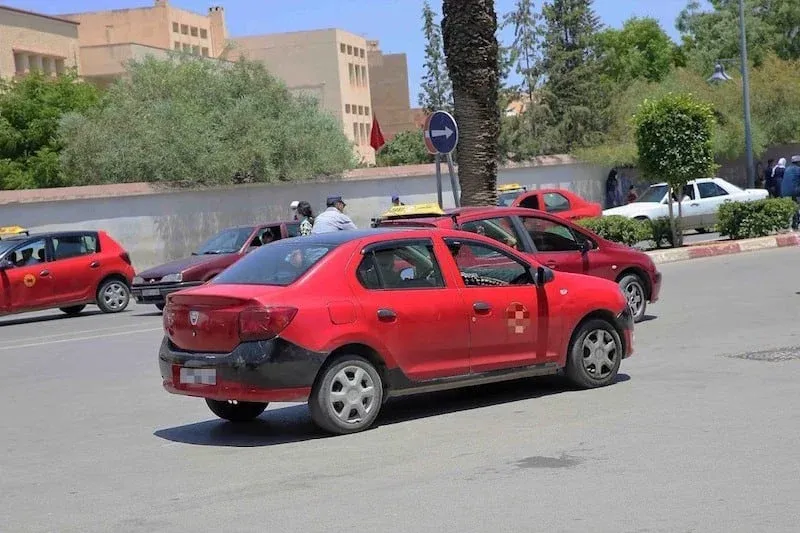

In a recent development, taxi drivers in Casablanca have firmly distanced themselves from confrontations involving drivers who operate via smartphone applications. They argue that such altercations tarnish the reputation of the taxi profession and cast a negative shadow over the sector as a whole. The ongoing tension has led to increasing dissatisfaction among taxi professionals who are vehemently against any attempts that disrupt the operations of app-based drivers. Many traditional taxi drivers express concern that these incidents could adversely affect their relationships with customers, potentially steering more passengers toward alternative transportation options.
Taxi Representatives Condemn Hostile Actions
While some taxi drivers have taken a vocal stance against these confrontations, others have chosen to remain silent, fearing job loss or pressure from taxi license owners, commonly referred to as “grima” holders. The Casablanca regional office of taxi drivers, which is associated with the Democratic Transport Union, has also condemned these incidents. The union lamented the “negative image” that has emerged from certain protests and actions taken by a small fraction of individuals within the sector. Samir Frabi, the regional secretary of the union, emphasized that the conduct of some taxi drivers in public settings is detrimental to the overall reputation of the profession. He highlighted alarming instances where drivers servicing app-based platforms have been intercepted, forced towards protest venues, and involved in confrontations with traditional taxi drivers.
Impact of Confrontations on Customer Relationships
Frabi cautioned that such confrontations could lead to a loss of customers for traditional taxi services. He stated that some passengers are beginning to opt for other transportation methods, including app-based services, largely due to the negative perception fostered by these incidents. Professional taxi drivers who prioritize customer satisfaction are ultimately the ones who suffer from the fallout of these actions, despite having no part in them. Seddik Boujaara, a representative from the Casablanca taxi sector and president of the Road Transport Trade Union, echoed similar sentiments, asserting that recent protests should not be seen as representative of the entire taxi industry. He pointed out that the narrative often suggests a blanket opposition among Moroccan taxi drivers towards transportation applications, whereas the truth is far more nuanced. Boujaara noted that many of the protests gaining traction on social media are organized or promoted by a small, independent faction. Their significant online presence can create a misleading impression that the entire taxi sector is engaged in continuous protests against app-based transportation services. This, he contended, does not accurately represent the views of all taxi drivers, the majority of whom remain uninvolved in these demonstrations.
The ongoing dispute illuminates the escalating friction between traditional taxi services and app-based transportation solutions in Casablanca. Nevertheless, representatives from the taxi sector are cautioning that confrontational and disruptive actions could inadvertently drive more customers towards digital transportation services rather than achieving their intended goals.
As reported by en.hespress.com.