
Casablanca, the economic capital of Morocco, is set to embark on a transformative journey towards sustainable energy and environmental management with the establishment of a waste-to-energy plant. This ambitious project, led by a consortium that includes Swiss-Japanese partners, Moroccan energy firm Nareva, and Japanese trading house Itochu, has secured a concession agreement with the Casablanca municipality. The investment for this initiative is projected at an impressive $1.5 billion and is anticipated to commence operations by mid-2030.
The new facility represents a significant advancement in Casablanca’s environmental strategy, as it aims to mitigate the adverse effects of the Mediouna landfill while generating electricity for approximately one million residents. According to reports from Reuters, construction is slated to begin before the end of this year, contingent on finalizing the financial arrangements. The full operational launch of the facility is expected by mid-2030, marking it as one of the largest infrastructure projects in Africa.
Transformative Impact on Waste Management and Energy Production
As the second-largest waste-to-energy facility on the African continent, the plant is designed to process around 1.5 million tons of household waste annually. It is estimated to produce nearly 115 megawatts of electricity through a blend of waste materials, biogas derived from the landfill, and solar energy. This capacity is substantial enough to power close to a million inhabitants, thereby contributing to the city’s energy needs while promoting sustainable practices.
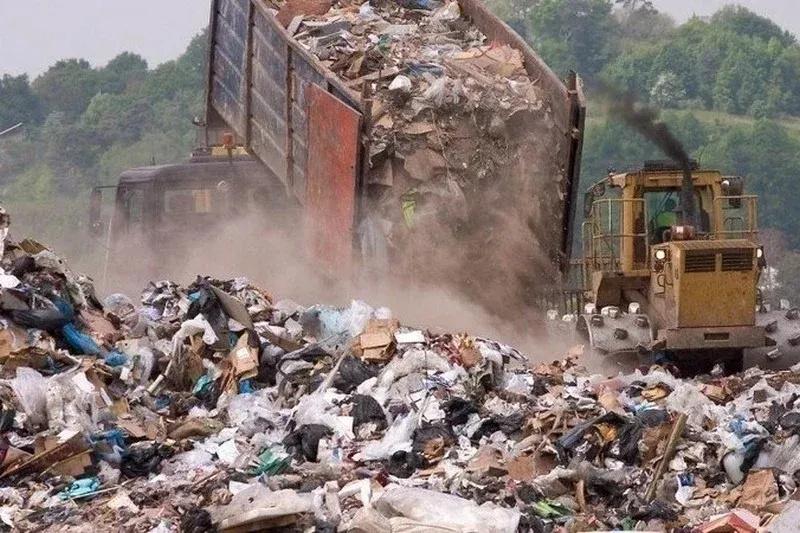
Moreover, this project is not solely focused on energy production; it is also intended to alleviate the environmental burdens associated with the Mediouna landfill, which has been a source of unpleasant odors and pollution affecting nearby agricultural lands for decades. The decomposition of waste at this site has resulted in significant methane emissions, a potent greenhouse gas that contributes to global warming. The initiative aims to drastically reduce these emissions, aligning with global climate goals.
Funding and Future Prospects
The advancement of this project hinges on securing both equity and debt financing, expected to be finalized by the fourth quarter of 2026. In an interview with Reuters, Bruno-Frédéric Baudouin, CEO of Kanadevia Inova, stated that all debt financing is anticipated to be sourced from Moroccan banks. Additionally, the consortium has established a power purchase agreement with the National Office of Electricity and Drinking Water (ONEE) to sell the electricity generated by the plant. Construction will be undertaken by the Moroccan group Somagec, with a timeline extending approximately three and a half years. However, preliminary waste processing and electricity generation operations may initiate six to ten months prior to the project's official completion.
Proponents of the project highlight its potential climate benefits, estimating that it could significantly cut greenhouse gas emissions linked to the Mediouna landfill. Baudouin noted that the reduction could equate to around 20% of Switzerland's annual emissions, a figure he likened to removing 300,000 cars from the roads. Nonetheless, this claim has not been independently verified or made public through an official evaluation.
Despite the promising outlook, the waste-to-energy project continues to spark debate among environmental experts. Various researchers, climate organizations, and local community groups express concerns that reliance on incineration could hinder recycling efforts while also generating fine particulate emissions and greenhouse gases.
As reported by fr.hespress.com.