
Outstanding Achievements in the 7th Annual Mohammed VI Competition for African Scholars
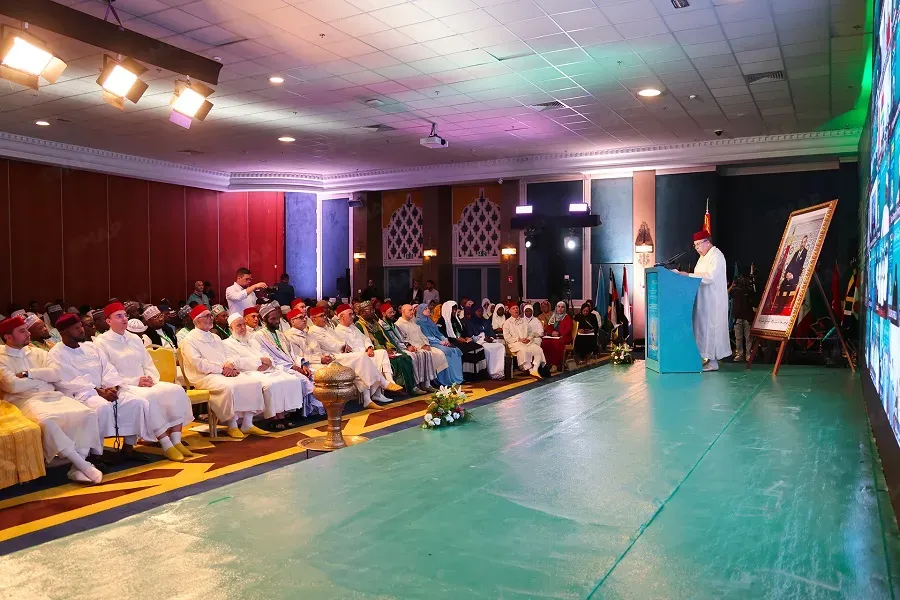
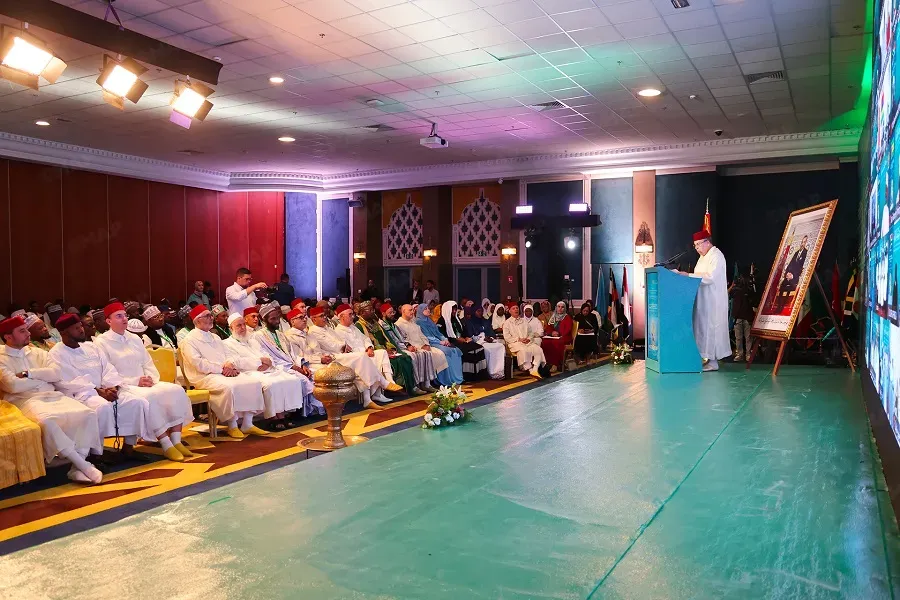
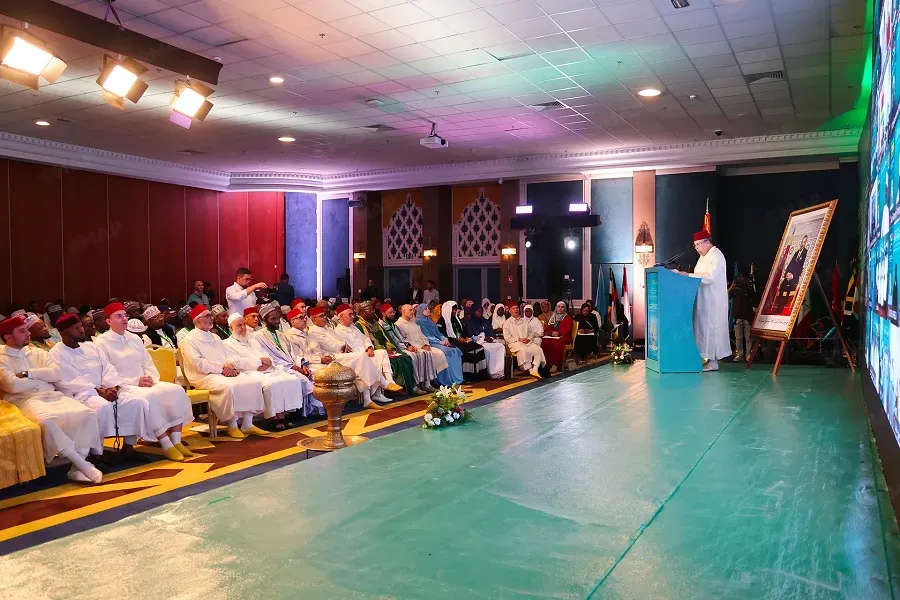
The 7th Annual Mohammed VI Competition for African Scholars in Quranic Memorization and Recitation recently concluded, showcasing remarkable talent from participants hailing from various African nations including Niger, Nigeria, Mali, Somalia, Mauritania, Tanzania, Mauritius, Côte d'Ivoire, Liberia, Gambia, Guinea-Bissau, and Rwanda. The results were announced on Sunday in the historic city of Fez, where the competition took place amid much anticipation and excitement.
According to Professor Mohamed Al-Maghrabi, the general coordinator of the competition, the first category, which focused on the full memorization of the Quran with recitation according to the Warsh narration of Nafi, featured 26 contestants who exhibited exceptional proficiency. Their performances reflected their deep dedication to mastering the Quran and adhering to the rules of this specific narration, illustrating the commitment of both the participants and their mentors to high standards of memorization and recitation.
Recognizing Excellence Across Multiple Categories
In the second category, which emphasized complete memorization of the Quran with various readings and narrations, 42 participants showcased commendable skills in both memorization and recitation. Notably, all but one contestant adhered to the Hafs narration of Asim, with one participant opting for the Qalun narration of Nafi. This diversity highlighted the contestants' remarkable ability to recall their memorized verses and deliver them with finesse and precision.
Furthermore, the third category, which involved Tajweed along with memorizing at least five sections of the Quran, was characterized by a large and diverse group of 46 participants, predominantly comprising children and young adults. The overall performance level was impressive, underscoring the significance of this category in encouraging the youth to develop their Tajweed skills while also nurturing their innate talents.
The competition awarded three top prizes in each category, with winners emerging from countries such as Niger, Nigeria, Mali, Somalia, Mauritania, Tanzania, and Mauritius. In addition to the main prizes, the organizing committee decided to introduce three encouragement awards, one for each category, as well as special awards for the youngest participant and the youngest male contestant. These encouragement prizes were awarded to readers from Côte d'Ivoire, Liberia, Gambia, Guinea-Bissau, and Rwanda, fostering a spirit of support and motivation among all participants.
The results of the first category were as follows: the first place went to Abid Allah Abu Bakr Ango from Niger, the second place to Bashir Younis from Nigeria, and the third place to Mohamed Jalo from Mali. In the second category, the winner was Abdul Qadir Yusuf Muhammad from Somalia, followed by Hamoud Lahbib Taleb Boubacar from Mauritania in second place, and Ismail Yusuf Hamad from Tanzania in third. The third category saw Ahmed Ahmedou Sidi Muhammad Abu Ubaida from Mauritania take the first place, Abdullah Bah from Mali in second, and Yahya bin Ali Malam Hassan from Mauritius in third.
The award for the youngest female participant was bestowed upon Hassna Bajou from Gambia, aged just 10, while the youngest male participant award went to Abdul Rahman Jalo from Guinea-Bissau, who is only 7 years old. Additionally, the encouragement prize in the first category was awarded to Diara Salima from Côte d'Ivoire, while Abdul Aziz Muhammad Diallo from Liberia received the encouragement prize in the second category, and Nirarokondo Mzudera from Rwanda was honored in the third category.
The evaluation and scoring of the contestants' performances were conducted in person by a distinguished jury comprising scholars and specialized readers from Morocco, Senegal, Tanzania, Mauritania, Nigeria, Cameroon, Côte d'Ivoire, the Central African Republic, Burkina Faso, and Sudan. A dedicated technical team from Fez coordinated with technical teams from the 48 participating countries to ensure seamless remote connections and broadcast all stages of the competition via visual technology, allowing contestants to participate from their home countries.
The Mohammed VI Foundation for African Scholars aims to strengthen the connection between young African Muslims and the noble Quran through this annual competition. It encourages them to memorize, recite, and master the Quran while discovering and showcasing young Quranic talents across the African continent. This initiative aligns with the esteemed attention given by His Majesty King Mohammed VI, the Commander of the Faithful, to the Quran and its scholars, reinforcing the commitment to fostering a strong bond between the youth and the divine guidance of the Quran.
Earlier, from March 29 to April 26, 2026, local eliminations were held in the 48 branches of the foundation, attracting over 1,300 participants, which resulted in 114 finalists, including 16 females, who represented their branches in the final stage. The eliminations witnessed significant involvement from African scholars, Quranic memorization centers, religious institutions, and families, all dedicated to encouraging the youth to engage with and cherish the Quran.
As reported by iqna.ir.